联邦上诉法院审理Summit教会用地案:分区决定与宗教土地使用法之争待裁决
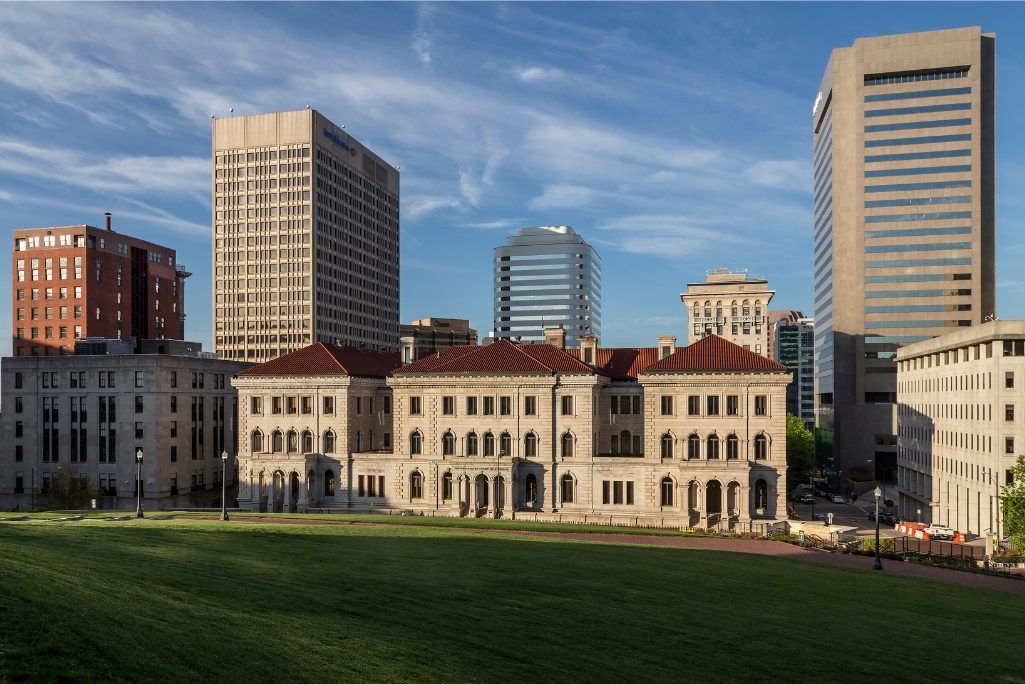
美国北卡罗来纳州查塔姆县(Chatham County, North Carolina)与Summit教会(The Summit Church)的用地之争进入上诉阶段:美南浸信会通讯社Baptist Press 10月30日报道,美国联邦第四巡回上诉法院三人合议庭10月27日在弗吉尼亚州里士满听取了口头辩论,案件待合议庭裁决,未宣布裁决时间。
合议庭成员为法官A.·马文·夸特尔鲍姆(A. Marvin Quattlebaum Jr.)、资深法官芭芭拉·米拉诺·基南(Barbara Milano Keenan)与马里兰区联邦地区法官黛博拉·博德曼(Deborah L. Boardman)。县、教会与美国司法部各有一名律师陈词,每方20分钟,辩论共约45分钟。
查塔姆县的上诉范围很窄:只针对联邦地区法官2025年6月发出的初步禁令——该禁令在诉讼进行期间禁止县方拒绝Summit教会的新校区土地重新分区申请。包括教会在《宗教土地使用与被收容人员法》(RLUIPA)下提出的宗教歧视主张在内的实体诉讼,仍在审理中。
县方律师史蒂文·贝德(Steven Bader)主张,禁令越过了联邦法院可命令地方政府的范围:依北卡罗来纳州法律,附条件重新分区属立法行为,禁止县方拒绝实际上等于命令其批准。他同时表示,本案关乎权力分立,不是宗教歧视之争;县方不否认RLUIPA涵盖其分区决定,也不否认法院可推翻违法决定,但法院不能在委员会重新考虑时指定结果。
教会律师埃尔伯特·林(Elbert Lin)则表示,禁令并未要求县方批准重新分区:地区法院曾拒绝命令县方批准,只是让申请在案件审理期间暂时搁置;且何谓RLUIPA下的「分区」,应由联邦法而非州法标签决定。
司法部律师诺亚·萨克斯(Noah Sacks)表示,司法部已在本案中支持教会一方,该部在确保RLUIPA在全国范围内为宗教土地使用提供广泛保护方面有重大利益;若接受县方论点,地方政府可用州法使自己的决定免于RLUIPA审查。被问及法院命令重新分区是否合法时,他表示该问题尚未到达、司法部无立场。
争议源于2024年:Summit教会在北卡罗来纳州三角区有13个校区,其教堂山校区自2013年起在一所高中聚会。2023年12月,教会取得查塔姆县东北部六块共约97英亩土地的购买选择权;2024年5月,教会申请将其中三块约50英亩重新分区以建新校区,同年12月被县委员会一致否决。教会称否决源于宗教偏见,县方否认,并称申请与县土地使用规划不一致。
2025年2月,教会在北卡罗来纳州中区联邦地区法院起诉查塔姆县。地区法官认定教会就其宗教活动受实质负担的主张有可能胜诉,遂禁止县方拒绝重新分区申请,但拒绝命令其批准;县方于2025年7月提起上诉。宗教自由法律机构First Liberty Institute是代表教会参与上诉的律师之一。口头辩论录音可在上诉法院网站收听。
Baptist Press 官方报道(原载 Biblical Recorder)
Federal Appeals Court Hears Arguments in Summit Church Zoning Case, With a Ruling Still to Come
A three-judge panel of the 4th U.S. Circuit Court of Appeals heard oral arguments on Tuesday, October 27, in Chatham County's appeal of a federal court order that bars it from denying The Summit Church's request to rezone land for a new church campus, Baptist Press reported on October 30. The hearing took place in Richmond, Virginia, and the dispute concerns land in Chatham County, North Carolina.
The hearing was before Judge A. Marvin Quattlebaum Jr., Senior Judge Barbara Milano Keenan and U.S. District Judge Deborah L. Boardman of the District of Maryland. The panel took the appeal under advisement and did not say when it would rule. One attorney each for the county, the church and the U.S. Department of Justice presented to the panel; each side was allotted 20 minutes, and the arguments lasted approximately 45 minutes.
The county's appeal is narrow. It concerns only the preliminary injunction that a federal district court judge issued in June 2025, which bars the county from denying The Summit's rezoning request while the lawsuit continues. The underlying lawsuit, including The Summit's claims of religious discrimination under the Religious Land Use and Institutionalized Persons Act (RLUIPA), remains pending.
Steven Bader, the attorney who argued for Chatham County, said the injunction intrudes on the commissioners' authority by going beyond what a federal court may order a local government to do. Under North Carolina law, he said, conditional rezoning is a legislative act, and barring the county from denying the request effectively means it must approve it. "This is not a case about religious discrimination as my colleagues would have it," Bader said. "It's a case about separation of powers."
Elbert Lin, the attorney who argued for The Summit, said the injunction does not require the county to approve the rezoning. The district court declined to order the county to approve The Summit's rezoning request, he said, and simply put the application on hold while the case continues. Lin also said federal law, not state labels, decides what counts as zoning under RLUIPA.
Noah Sacks, a Justice Department attorney whose agency has supported the church in the case, said the department has "a strong interest in ensuring that RLUIPA provides broad protection for religious land use across the country," and that the county's argument would let a local government use state law to shield its decision from RLUIPA. Asked whether a court-ordered rezoning would be lawful, Sacks said the department had no position because that question had not been reached.
The Summit Church, a multisite congregation with 13 campuses across the Triangle region of North Carolina, has held services for its Chapel Hill campus at an area high school since 2013. In December 2023 it acquired an option to buy six parcels totaling about 97 acres in northeast Chatham County. In May 2024, The Summit asked the county to rezone three of them, about 50 acres, for a church campus. The commissioners unanimously denied the request in December 2024. The Summit says the denial reflected religious bias, a claim the county rejects; the county says the request was inconsistent with its land-use plan.
The Summit filed suit against Chatham County in February 2025 in the U.S. Middle District of North Carolina. The district judge found The Summit likely to succeed on its claim that the denial substantially burdened its religious exercise, barred the county from denying the rezoning request, but declined to order it to approve the request. The county appealed in July 2025. First Liberty Institute, a nonprofit religious liberty law firm, is among the attorneys representing The Summit on appeal. An audio recording of the oral arguments can be accessed on the appeals court's website.
Baptist Press report, originally in the Biblical Recorder
来源:GSM·美国(原文链接)
图片来源:美国联邦第四巡回上诉法院大楼(官方报道配图)。Biblical Recorder/Baptist Press,2026年10月30日。 / The U.S. Court of Appeals for the Fourth Circuit building (photo published with the report). Biblical Recorder / Baptist Press, October 30, 2026.