威斯康星州11月3日公投第2题:拟修宪禁止紧急状态下关闭礼拜场所,疫情期间教会限聚令成缘起
美国威斯康星州戴恩县麦迪逊市传来消息:威斯康星州选民11月3日将在选票第2题(Question 2)上表决一项州宪法修正案——若获通过,州政府及其下级机构在宣布紧急状态(包括公共卫生紧急状态)时,不得下令关闭礼拜场所,也不得禁止在礼拜场所内聚集。据美南浸信会通讯社 Baptist Press 10月29日报道,这项修正案源于新冠疫情期间政府对教会的关闭与限制措施。
修正案拟修改威斯康星州宪法第一条第18款(宗教自由条款),加入明文:州或州的下级机构不得因国家、州或地方层级宣布的紧急状态(包括公共卫生紧急状态)下令关闭礼拜场所或禁止其中的聚集。修正案同时将使现行州法第252.02条的相关授权失效——该条目前授权州卫生服务部为控制疫情关闭学校,并禁止在学校、教会等场所聚集。
按威斯康星州的修宪程序,州议会先后在2023—2024与2025—2026两个会期通过这项以联合决议形式提出的修正案,表决大体沿政党界线进行、由共和党议员推动,之后才交付选民公投。
支持方包括 Wisconsin Family Action。该组织主席 Daniel Degner 在推动修正案时说:「过去我们见过教会被迫关闭、酒类商店却照常营业。政府告诉教会不能服务自己的社区、却允许酒铺牟利,这就是越权。」
反对方则强调政府在紧急状态下保护公众的责任。州参议员 Chris Larson 在反对将该题送上选票的州参议院决议时说,没有人想阻止邻里有意义的大型聚会,何况还有线上聚会技术可用;但政府官员有责任尽力保护选民的生命,这项决议(AJR 10)会让公共卫生官员无法履职,在未来任何一场疫情中危及无数生命。
背景是疫情期间的一连串争议。当时州长 Tony Evers 宣布全州紧急状态,并在一系列社区限制中将教会聚会人数限制在10人以内;2020年5月,威斯康星州最高法院裁定这些限制因州政府未遵循正当程序而不可执行,戴恩县随后自行发布命令,先将教会聚会限制在50人,后改为场地上限的25%。州议会2021年曾通过法案(Assembly Bill 1),禁止卫生官员在疫情期间关闭教会等礼拜场所,但被 Evers 否决。
第2题与另外两项宪法修正案同列于11月3日的威斯康星州选票上,各题分别表决,过半数赞成即为通过。
关联:11月1日「受迫害教会祷告日」:美南浸信会等机构称全球约3.88亿基督徒生活在高压迫之下
Wisconsin Ballot Question 2 on Nov. 3 Would Bar Emergency Closures of Places of Worship
In Madison, Dane County, Wisconsin, voters statewide will decide Ballot Question 2 on November 3, a proposed constitutional amendment under which the state or its political subdivisions could not order the closure of, or forbid gatherings in, places of worship in response to a state of emergency, including a public health emergency. Baptist Press reported on October 29 that the amendment originated in response to government-mandated closures and restrictions on churches during the COVID-19 pandemic.
Question 2 would amend Article 1, Section 18 of the Wisconsin Constitution, the religious-liberty provision, to specify that neither the state nor a political subdivision may order the closure of or forbid gatherings in places of worship in response to an emergency at the national, state or local level, including a public health emergency. It would nullify Wisconsin Statute 252.02, which currently grants the Department of Health Services authority to close schools and forbid public gatherings in schools, churches and other places to control outbreaks and epidemics.
The Wisconsin Legislature approved the measure in both its 2023-2024 and 2025-2026 sessions, mostly along party lines as a Republican-backed joint resolution, the prerequisite for sending a constitutional amendment to voters.
Wisconsin Family Action is among the supporters. "In the past we have seen churches be forced to close while liquor stores remained open," the group's president, Daniel Degner, said in promoting the amendment. "Government overreaches its authority when it tells churches they cannot serve those in their community while it allows liquor stores to profit."
Opponents point to the government's responsibility to protect the public during emergencies. State Sen. Chris Larson, opposing the senate resolution that helped put the question on the ballot, said no one wants to prevent large, meaningful gatherings of neighbors, and virtual meeting technology means officials do not have to; but government officials have a responsibility to preserve the lives of their constituents, and the resolution, AJR 10, would prevent public health officers from doing their jobs, endangering countless lives in any future pandemic.
The backdrop is the pandemic-era fight in Wisconsin. Gov. Tony Evers declared a state of emergency and, alongside other community restrictions, limited church gatherings to 10 people. In May 2020 the Wisconsin Supreme Court ruled the restrictions unenforceable, finding the Evers administration had not followed proper procedures; Dane County then issued its own orders, first limiting church gatherings to 50 people and later to 25 percent of capacity. The Legislature countered in 2021 with Assembly Bill 1, which would have prevented health officials from closing churches and other houses of worship during the pandemic, but Evers vetoed it.
Question 2 appears on Wisconsin's November 3 ballot alongside two other proposed constitutional amendments; each question is decided separately and requires a majority of votes cast on that question to pass.
Related: 11月1日「受迫害教会祷告日」:美南浸信会等机构称全球约3.88亿基督徒生活在高压迫之下
来源:GSM·美国(原文链接)
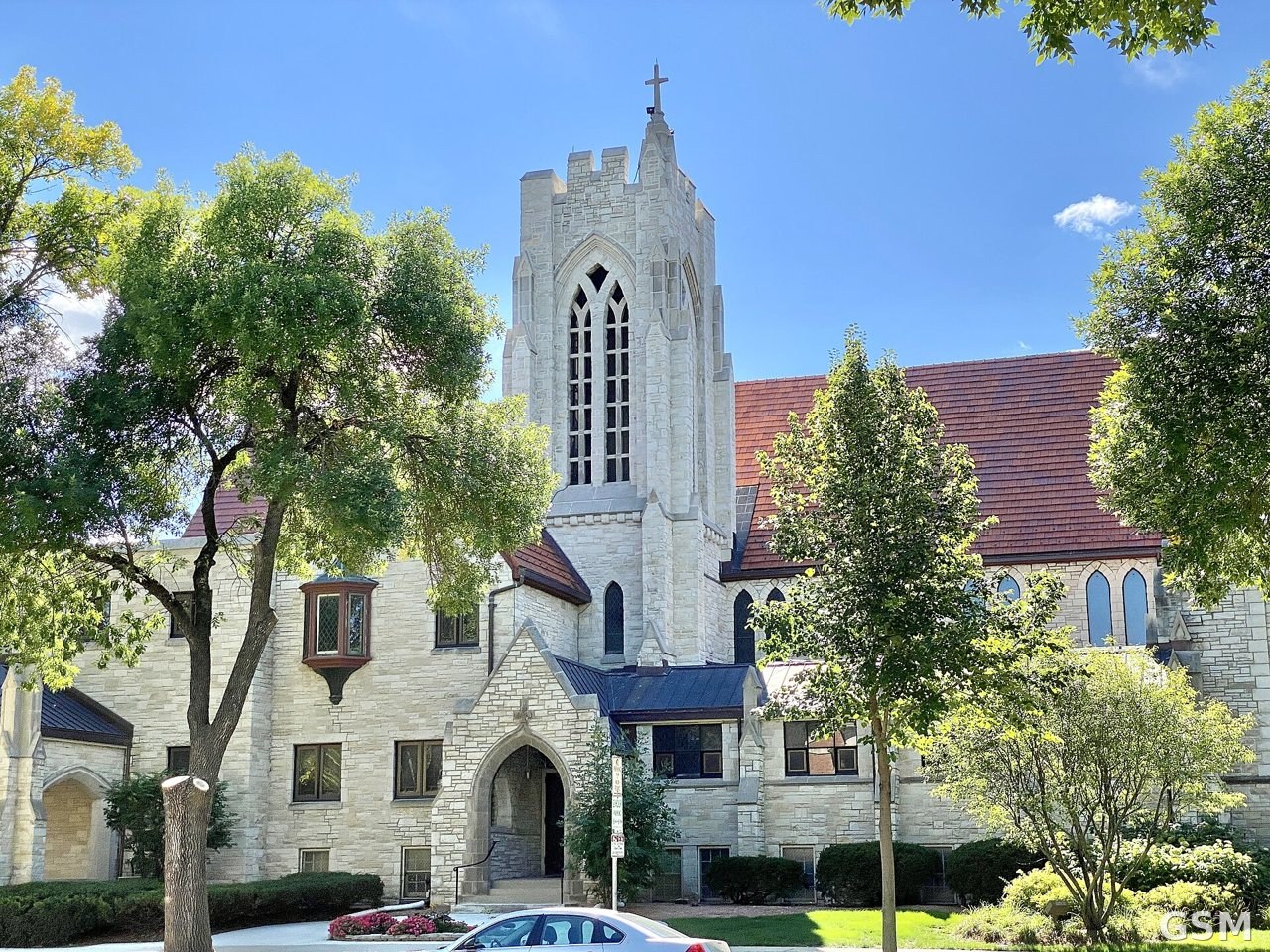
图片来源:图:美国威斯康星州麦迪逊市的伯特利路德教会(Bethel Lutheran Church)。w_lemay 摄,CC BY-SA 2.0,经 Wikimedia Commons。 / Bethel Lutheran Church in Madison, Wisconsin. Photo by w_lemay, CC BY-SA 2.0, via Wikimedia Commons.