为哈勃延寿:航天局NASA向商业公司征询升轨与维修方案,征询11月30日截止、任务须在2032年前实施
美国国家航空航天局(NASA)10月30日宣布,该局已于10月29日发出一份信息征询(RFI),向商业航天业界了解在轨维修能力,为运行逾35年的哈勃空间望远镜寻找延寿办法。
这份征询寻求三类商业方案:一是执行一次把哈勃送上更高轨道的任务,以延长其科学寿命;二是对哈勃进行维修、增强其能力;三是在哈勃寿命终结时,执行一次安全、受控的再入大气层或轨道处置任务。
征询的回应截止时间为11月30日(星期一)美东时间下午3时。
时间窗口来自轨道本身的倒计时:与所有近地轨道航天器一样,哈勃的高度正因大气阻力缓慢下降,而它自身没有维持轨道的推进系统。NASA的分析预计,哈勃很可能在2033年至2034年间再入大气层,因此任何延寿任务都需要在2032年前实施。
NASA局长 Jared Isaacman 表示,哈勃前面仍有重要的科学工作,局方应当寻找一切合理的机会让它尽可能久地继续工作;如果存在创新且具成本效益的办法延长一件已在轨资产的寿命,NASA有责任向美国纳税人与科学界把这些办法摸清楚,延长哈勃的寿命意味着更多的发现、更多的科学。
NASA总部科学任务局副局长 Nicky Fox 表示,哈勃是一件国家级的标志性资产,35多年来从根本上改变了人类看待宇宙的方式;商业业界近年来在在轨卫星捕获与维修方面能力进步迅速,趁哈勃预计再入之前仍有时间,局方希望摸清把哈勃送上更高轨道的各种可能性,同时推进后续的旗舰任务。
哈勃空间望远镜是NASA与欧洲航天局(ESA)的国际合作项目,已运行三十多年,不断作出塑造人类对宇宙基本认识的突破性发现。NASA位于 Maryland 州 Greenbelt 的 Goddard 航天飞行中心负责望远镜与任务运行,Denver 的 Lockheed Martin Space 公司也在 Goddard 提供任务运行支持;位于 Baltimore 的空间望远镜科学研究所由大学天文研究协会运营,为NASA承担哈勃的科学运行。
Extending Hubble's Life: NASA Seeks Commercial Ideas to Boost and Service the Telescope, With Responses Due November 30 and a Mission Needed by 2032
NASA announced on October 30 that it issued a Request for Information on October 29 to learn more about industry capabilities for in-space servicing to support the Hubble Space Telescope, which has been operating for more than 35 years.
The request seeks commercial interest in three directions: potentially conducting a mission to boost Hubble to a higher altitude to extend its science lifetime; servicing Hubble to enhance its capabilities; or performing a safe, controlled re-entry into Earth's atmosphere or orbital disposal at the end of Hubble's mission.
The Request for Information will remain open for responses until 3 p.m. EST on Monday, November 30.
The timetable is set by the orbit itself. Like all spacecraft in low Earth orbit, Hubble's altitude is slowly decreasing because of atmospheric drag, and Hubble does not have a propulsion system to maintain its own orbit. Analysis predicts Hubble is likely to re-enter the atmosphere in the 2033 to 2034 timeframe, so NASA anticipates that a mission would need to take place by 2032.
NASA Administrator Jared Isaacman said Hubble still has important science ahead of it and the agency should be looking at every reasonable opportunity to keep it delivering for as long as possible. If there are innovative and cost-effective ways to extend the life of an asset already on orbit, he said, NASA owes it to the American taxpayer and the scientific community to explore them, and extending Hubble's life would mean more discoveries and more science.
Nicky Fox, associate administrator of NASA's Science Mission Directorate at NASA Headquarters in Washington, called Hubble a national icon that has fundamentally changed how humanity views the universe for more than 35 years. She said commercial industry has rapidly evolved to offer new capabilities for in-space satellite capture and servicing, and that, given the time until Hubble's anticipated re-entry, NASA is eager to explore the breadth of possibilities to boost Hubble to a higher orbit while it develops the flagship mission to follow.
The Hubble Space Telescope is a project of international cooperation between NASA and the European Space Agency (ESA). NASA's Goddard Space Flight Center in Greenbelt, Maryland, manages the telescope and mission operations, Lockheed Martin Space in Denver also supports mission operations at Goddard, and the Space Telescope Science Institute in Baltimore, operated by the Association of Universities for Research in Astronomy, conducts Hubble science operations for NASA.
Source: NASA, October 30
来源:GSM·美国(原文链接)
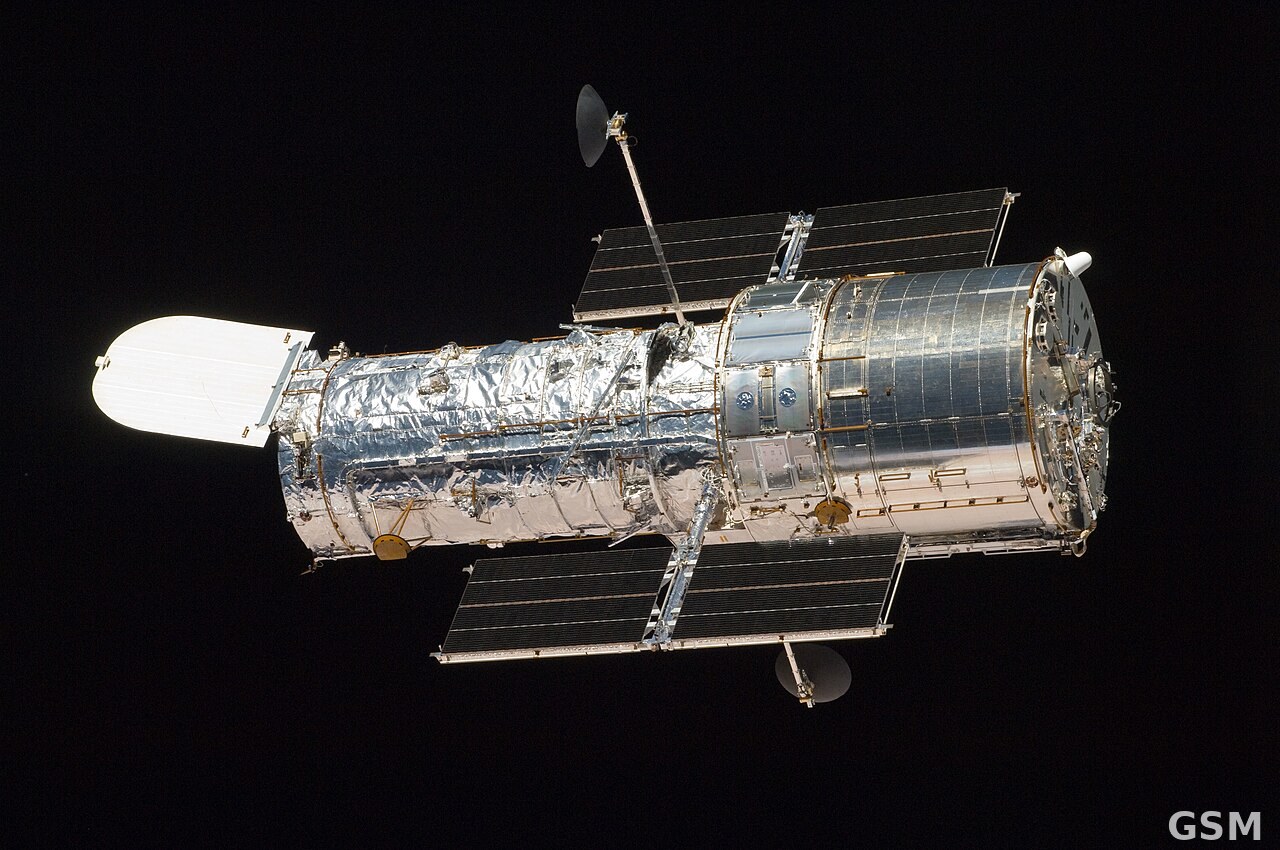
图片来源:图:在轨运行的哈勃空间望远镜(2009年STS-125维修任务期间拍摄)。照片:NASA,公共领域,经Wikimedia Commons。 / The Hubble Space Telescope in orbit, photographed during the STS-125 servicing mission in 2009. Photo: NASA, public domain, via Wikimedia Commons.