加州通过Bay-Delta计划1995年以来首次重大更新:近3000万人用水水源地保护升级,恢复逾2.7万英亩水生栖息地
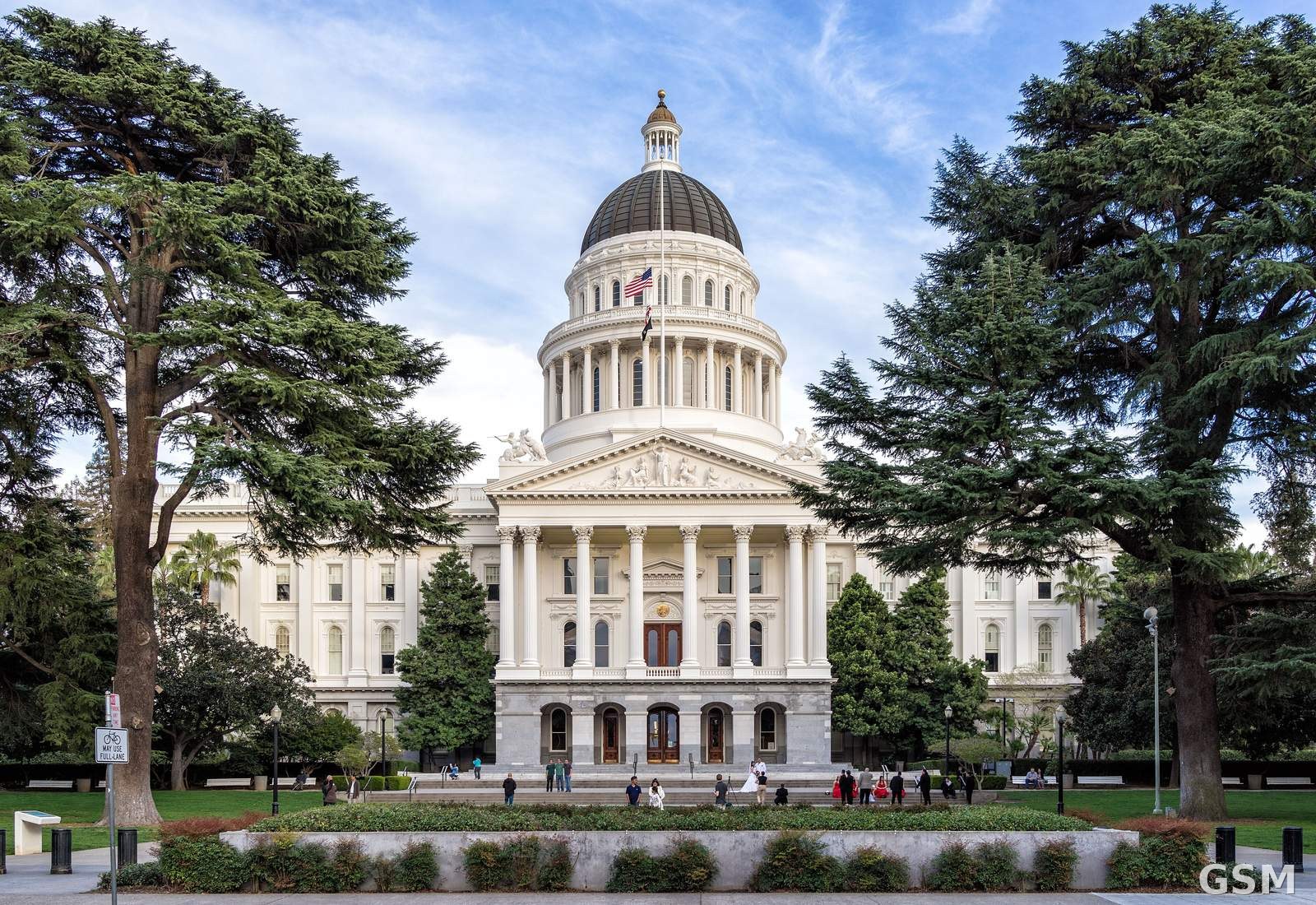
美国加利福尼亚州萨克拉门托县萨克拉门托市消息:加州州长 Gavin Newsom 办公室10月30日宣布,州水资源控制委员会当天通过《湾区—三角洲计划》(Bay-Delta Plan)重大更新,这是该计划萨克拉门托河与三角洲保护条款自1995年以来的首次重大更新。新计划把州长的「健康河流与景观计划」(Healthy Rivers and Landscapes Program)纳入其中,把河流流量与大规模栖息地恢复、可执行的保障措施结合起来。
湾区—三角洲为近3000万加州人供水、灌溉400万英亩农田,同时养育鲑鱼等原生野生动物并支撑部落社区。州长办公室表示,纽森倡导的协作路线自2022年起汇集地方、州与联邦伙伴,推进以「自愿协议」恢复水生栖息地、同时保障供水的框架,其政府已为该计划落实29亿美元资金承诺。
Newsom 说:「我们不必在健康的河流和可靠的供水之间二选一,加州两者都要。这项计划把人们聚到一起,恢复栖息地、保护鲑鱼,并支持依赖三角洲的社区和农场。我们还以可执行的承诺和科学监测为后盾,来衡量哪些措施真正有效。这就是我们为一个更热、更干的加州建设更强水未来的方式。」
更新计划的要点包括:推动恢复逾27,000英亩水生栖息地;首次把「部落传统与文化」认定为受保护的水的有益用途;以最佳可用科学衡量成效,实行年度报告、每三年由水委会复审,并设专门科学计划做数据收集与监测。
实施有两条路径:参加「健康河流与景观计划」的一方,把河流流量贡献与栖息地恢复结合,接受可执行的承诺与科学监督约束;另一条为传统监管路径,主要靠维持河流流量。水量贡献须经公开核算核实,栖息地项目须达到建设节点;若承诺落空,水委会可以重新审视该路径,传统监管路径则为不参加者提供可执行的兜底。
先行项目已经在推进:3.6亿美元的河道内流量购水计划,在生态关键月份为鱼类 확보河水;三角洲北部的 Tide's End 项目恢复逾2,200英亩潮汐与洪泛区栖息地;Little Egbert Tract 约3,000英亩项目兼顾防洪与原生鱼类栖息地;Prospect Island 1,600英亩潮汐恢复项目;以及拆除旧堰、加装鱼屏的 Sunset Weir 鱼道项目。
加州自然资源厅长 Wade Crowfoot 表示,加速的气候变化要求以新办法平衡加州多样的用水需求,水委会的行动将改善鱼类与野生动物状况、稳定全州社区的未来供水。州水资源控制委员会主席 E. Joaquin Esquivel 称,新计划给管理者带来现代化工具,尤其是加强监测与数据收集,以21世纪的方式管理湾区—三角洲。
程序上,这项决定历经数年科学研究与公众参与,包括四轮草案文本、逾200天公众评议期、部落与环境正义专场倾听会和公众研讨会。更新计划接下来送行政法办公室批准;获批后,水委会工作人员将在一年内发布实施方法草案、两年内制定实施规章,「健康河流与景观计划」自愿协议路径的实施不迟于2027年10月1日开始。据加州州长办公室10月30日官方新闻稿(订阅原件)。
California Adopts First Major Bay-Delta Plan Update Since 1995: Protections Rise for a Water Source Serving Nearly 30 Million People
In Sacramento, Sacramento County, California, Governor Gavin Newsom's office announced on October 30 that the State Water Resources Control Board has adopted a major update to the Bay-Delta Plan, the first major update to the plan's Sacramento River and Delta protections since 1995. The update incorporates the Governor's Healthy Rivers and Landscapes Program, pairing river flows with large-scale habitat restoration and enforceable safeguards.
The Bay-Delta supplies water to nearly 30 million Californians and 4 million acres of farmland, while sustaining salmon, other native wildlife and tribal communities. Under the Governor's leadership, his administration brought local, state and federal partners together in 2022 to advance a voluntary-agreements framework and secured $2.9 billion in funding commitments to support the program.
"We don't have to choose between healthy rivers and reliable water supplies - California needs both," Newsom said. "This plan brings people together to restore habitat, protect salmon, and support the communities and farms that depend on the Delta. And we're backing it up with enforceable commitments and science to measure what's working. That's how we build a stronger water future for a hotter, drier California."
Key elements include restoring more than 27,000 acres of aquatic habitat and, for the first time, recognizing Tribal Tradition and Culture as a protected beneficial use of water. The plan uses the best available science, with annual reporting, triennial board review and a dedicated science program for data collection and monitoring.
Water users can meet requirements through two pathways: the Healthy Rivers and Landscapes pathway, combining flow contributions with habitat restoration under binding, enforceable commitments and scientific oversight, or a traditional regulatory pathway focused mainly on river flows. Flow contributions must be verified through public accounting and restoration projects must meet construction milestones; the board can revisit the pathway if commitments are not met.
Early projects include a $360 million Instream Flow Water Purchase Program, the Tide's End project restoring more than 2,200 acres of tidal and floodplain habitat in the north Delta, the roughly 3,000-acre Little Egbert Tract flood-and-habitat project, the 1,600-acre Prospect Island tidal restoration, and the Sunset Weir and Pumps Fish Passage Project.
California Secretary for Natural Resources Wade Crowfoot said accelerating climate change demands a new approach to balancing the state's diverse water needs. State Water Board Chair E. Joaquin Esquivel said the plan provides modern tools, especially increased monitoring and data collection, to manage the Bay-Delta for the 21st century.
The decision followed four iterations of draft language, more than 200 days of public comment, tribal and environmental justice listening sessions and public workshops. The update now goes to the Office of Administrative Law for approval; board staff will release a draft implementation methodology within one year and develop implementing regulations within two years, and implementation of the voluntary-agreements pathway will begin no later than October 1, 2027. Source: Office of Governor Gavin Newsom press release of October 30, 2026 (subscription original).
来源:GSM·美国(原文链接)
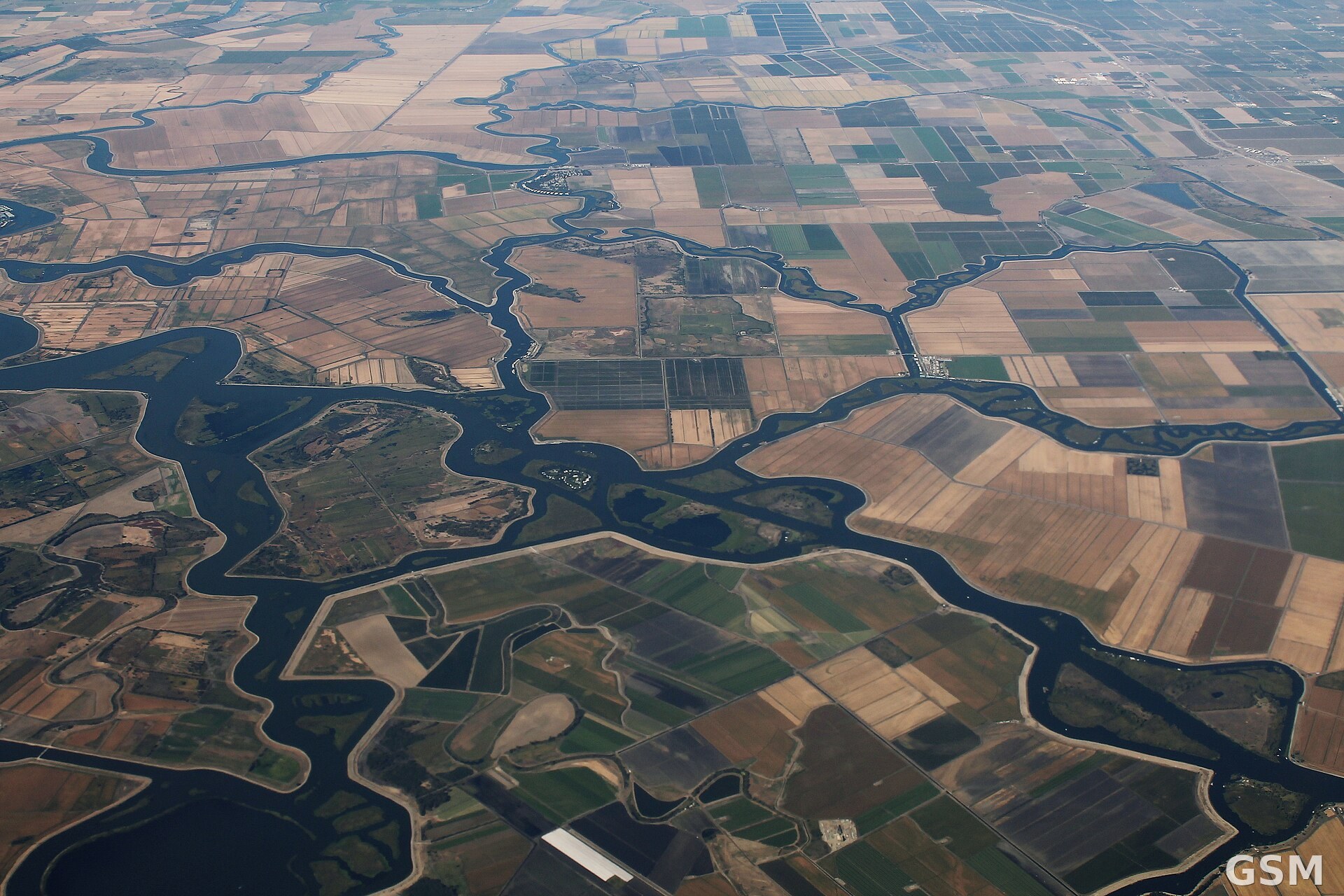
图片来源:图:美国加利福尼亚州萨克拉门托—圣华金河三角洲航拍。formulanone 摄,CC BY-SA 2.0,经 Wikimedia Commons。 / Aerial view of the Sacramento-San Joaquin Delta in California. Photo by formulanone, CC BY-SA 2.0, via Wikimedia Commons.