CereVasc获FDA批准研究性器械豁免:将以eShunt分流系统在早期阿尔茨海默病患者中开展临床研究
总部位于 Massachusetts 州 Boston 的临床阶段医疗器械公司 CereVasc 10月29日宣布,美国食品药品监督管理局(FDA)已批准其研究性器械豁免(IDE)申请,公司将以 eShunt 系统在早期症状性阿尔茨海默病患者中开展临床评估。
阿尔茨海默病是最常见的痴呆病因。公司援引的数据显示,美国65岁及以上人群中约有740万人患病,另有数以百万计的家人与照护者受其影响;若在预防、延缓或治愈方面没有医学突破,患者人数预计到2060年将升至1,380万人。
eShunt 系统是一种新型微创血管内分流装置,设计上把脑脊液引流至静脉系统。CereVasc 将研究该系统能否通过增加脑脊液循环,支持大脑清除与阿尔茨海默病相关的神经毒素的自然过程,以此探索一条与现有药物路线根本不同的研究路径。
纽约州立大学布法罗分校 Jacobs 医学院神经外科副主席、Jacobs 研究所首席执行官 Adnan Siddiqui 博士表示,FDA 新设的神经科学促进与创新枢纽把阿尔茨海默病的预防与早期干预列为首个重点,使这项研究尤其及时;研究改善大脑清除通路的机制,可能对疾病进程产生重要影响。CereVasc 总裁兼首席执行官 Tony Kingsley 表示,获 FDA 授权在阿尔茨海默病中评估 eShunt,是公司的一个新篇章,公司将结合此前使用该系统的临床经验、与阿尔茨海默病领域专家合作推进研究。
公司同时说明,eShunt 系统也正在用于治疗正常压力脑积水,其关键性随机对照试验 STRIDE 近期已完成入组。该系统目前仍属研究性器械,尚未获 FDA 或任何其他监管机构批准上市,其安全性与有效性尚未确立。
CereVasc Receives FDA IDE Approval to Evaluate the eShunt System in Patients With Early Alzheimer's Disease
CereVasc, Inc., a clinical-stage medical device company based in Boston, Massachusetts, announced on October 29 that the U.S. Food and Drug Administration (FDA) has approved an investigational device exemption (IDE) application to evaluate its eShunt System in patients with early symptomatic Alzheimer's disease.
Alzheimer's disease is the most common cause of dementia, affecting an estimated 7.4 million Americans age 65 and older, as well as millions of family members and caregivers. Without medical breakthroughs that prevent, delay or cure the disease, that number is projected to reach 13.8 million by 2060, the company said.
The eShunt System is a novel, minimally invasive, endovascular shunt designed to divert cerebrospinal fluid (CSF) to the venous system. CereVasc will investigate whether the system may support the brain's natural process for clearing neurotoxins associated with Alzheimer's disease by increasing CSF cycling, a fundamentally different approach from existing drug pathways.
Dr. Adnan Siddiqui, Vice Chairman of Neurosurgery at SUNY Buffalo's Jacobs School of Medicine and CEO of the Jacobs Institute, said the FDA's launch of the Neuroscience Advancement and Innovation Nexus, with Alzheimer's prevention and early intervention as its first focus, makes the study especially timely, and that investigating mechanisms to improve the brain's clearance pathways could make a big difference in disease progression. CereVasc President and CEO Tony Kingsley said FDA authorization to evaluate the eShunt System in Alzheimer's disease marks an exciting chapter for the company, which will build on its clinical experience with the system and work alongside leading Alzheimer's experts.
The company is also evaluating the eShunt System for normal pressure hydrocephalus and recently completed enrollment in STRIDE, its pivotal randomized controlled trial. The system remains an investigational device and has not been approved by the FDA or any other regulatory agency for commercial sale; its safety and effectiveness have not yet been established.
来源:GSM·美国(原文链接)
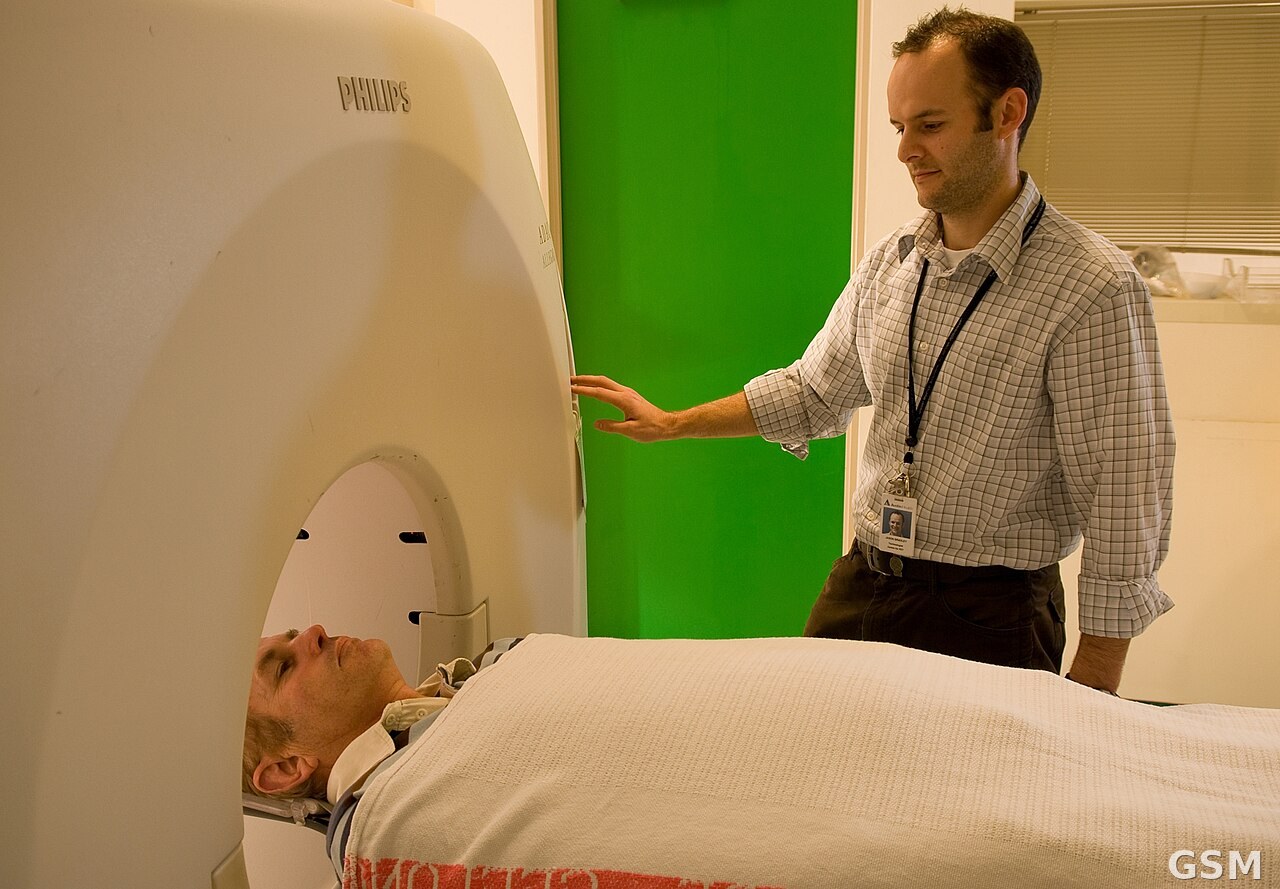
图片来源:图:受试者接受脑部 PET 扫描(资料图,与阿尔茨海默病临床研究题材相关)。Nick Pitsas/CSIRO 摄,CC BY 3.0,经 Wikimedia Commons。Photo: A volunteer receiving a brain PET scan (file photo). Nick Pitsas/CSIRO, CC BY 3.0, via Wikimedia Commons.