加州圣贝纳迪诺县消防局引进5架自主灭火无人机:全州首家,5至10分钟抵达火点、一次投放逾500加仑泡沫
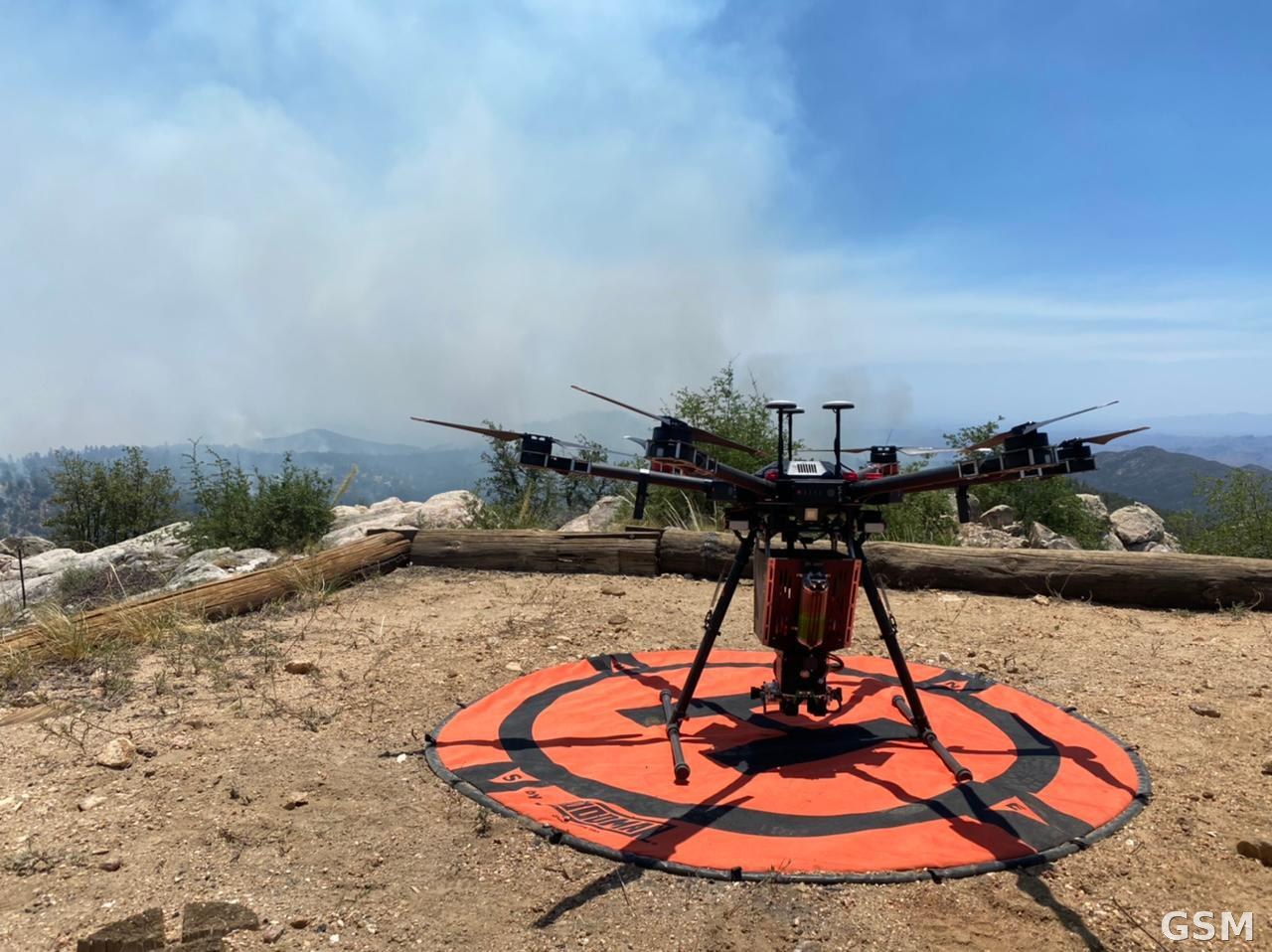
位于加州圣贝纳迪诺县的圣贝纳迪诺县消防保护区(San Bernardino County Fire Protection District,SBCoFD)10月28日宣布,已与韧性科技公司 Seneca 签约,引进由5架自主灭火飞行器组成的「Seneca 打击队」(Seneca Strike Team),成为加州首家训练并部署该系统的消防机构。这批飞行器由超级智能(SI)驱动、可自主导航协同,单名飞行员即可同时操作多架,目标是把火情压制在初起阶段。
打击队由5架自主灭火飞行器、一座可拖曳的移动空中作业基地及 Seneca 自主软件全套使用权组成。5架飞行器可从任意地点起飞,一次投放逾500加仑成品泡沫,5至10分钟内即可抵达新火点,支持县消防局「把火灭在尚小之时」的目标;机载传感器使其能在夜间作业,在部分有人驾驶航空器停飞时段补上空中灭火能力;还可在火线推进前为关键建筑与植被布设灭火剂或阻燃剂隔离带,并在收尾阶段压制残火热点,减少消防员暴露于有毒物质的风险。
县消防局局长 Dan Munsey 表示:「我们的目标是让90%的火灾在烧过10平方英尺之前就被扑灭。Seneca 的飞行器给了我们前所未有的能力:自主快速初攻。我们已与 Seneca 密切合作逾一年,开发符合我们需要的系统。」Seneca 创始人兼首席执行官 Stuart Landesberg 称,圣贝纳迪诺县消防局是全球最受尊敬的消防机构之一,很荣幸把在加州交付的第一套系统交给该局。
圣贝纳迪诺县是美国本土面积最大的县,县消防保护区服务面积约2万平方英里、逾200万居民,核定全职岗位逾1,100个,辖内既有人口稠密的城市社区,也有峡谷、高地沙漠与山区等野火高发地带,许多火点位于地面队伍难以快速抵达、或有人驾驶航空器停飞时段的地形。县消防局设有专门的机器人与无人机系统部门,此次引进是在既有无人机队基础上新增自主灭火能力。按计划,消防员培训将在2027年第一、二季度交付前启动,系统将在2027年野火高峰季之前并入县消防局日常作业。
(GSM 据 PR Newswire 发布的圣贝纳迪诺县消防保护区与 Seneca 官方公告报道)
San Bernardino County Fire in California Acquires Five Autonomous Firefighting Drones, a State First: Over 500 Gallons of Foam Within 5 to 10 Minutes
The San Bernardino County Fire Protection District (SBCoFD) in San Bernardino County, California, announced on October 28 that it has signed a contract with resilience technology company Seneca to deploy a Seneca Strike Team of five autonomous suppression aircraft, becoming the first fire department in California to train with and deploy the system. The aircraft navigate and coordinate using onboard super intelligence (SI), so a single SBCoFD pilot can operate multiple aircraft in difficult terrain, advancing the district's goal of stopping fires while they are still small.
The Strike Team includes five autonomous suppression aircraft, a towable Mobile Air Operations Base, and full access to Seneca's autonomy software. The five aircraft can launch from anywhere, deliver more than 500 gallons of finished foam, and reach a new start in 5 to 10 minutes or less. Onboard sensors allow night operations when some crewed aerial resources are grounded, the team can lay suppressant or retardant perimeters around key structures ahead of a fire front, and it can suppress hot spots during mop-up, reducing firefighters' exposure to toxic materials.
"Our goal is to stop 90% of fires before they grow larger than 10 square feet," said Dan Munsey, Fire Chief of the San Bernardino County Fire Protection District. "Seneca's aircraft give us a capability that has never before been possible: autonomous rapid initial attack. We've been working closely with Seneca for over a year to develop a system that meets our needs." Stuart Landesberg, founder and CEO of Seneca, called SBCoFD one of the most respected fire agencies in the world and said the company was honored to deliver its first system in California to the district.
San Bernardino is the largest county by area in the contiguous United States. SBCoFD protects more than 2 million residents across a service area of about 20,000 square miles with an authorized staffing level of over 1,100 full-time positions, responding to structure fires and medical emergencies in dense urban neighborhoods as well as fast-moving wildland fires in canyons, the high desert and the mountains — terrain often difficult or impossible for ground crews to reach quickly, and at hours when crewed aircraft are grounded. The district operates a dedicated Robotics and Unmanned Aerial Systems division, and the Strike Team adds an autonomous suppression capability alongside its existing fleet. Firefighter training is expected to begin ahead of delivery in the first and second quarters of 2027, with the system integrated into district operations before the 2027 peak fire season.
(GSM, based on the official announcement by the San Bernardino County Fire Protection District and Seneca via PR Newswire)
来源:GSM·美国(原文链接)
图片来源:野火现场作业的消防无人机(资料图),公共领域(美国林业局/Wikimedia Commons) / A fire-service drone at work on a wildfire (file photo), Public Domain (U.S. Forest Service / Wikimedia Commons)