SEC委员Uyeda向小企业资本形成顾问委员会发表讲话:众筹规则满十年、IPO沟通与研究覆盖成焦点
美国证券交易委员会(SEC)委员 Mark T. Uyeda 日前在华盛顿向 SEC 小企业资本形成顾问委员会发表讲话,讲话全文10月28日在 SEC 官网更新刊出。他表示,披露义务只是「让IPO再次伟大」拼图的一部分,SEC 还应关注企业上市后保持公众公司地位与继续融资所面临的其他摩擦。
Uyeda 说,委员会今夏一直在就让企业进入公开市场的渠道现代化提出建议,他期待审议委员会对 SEC 旨在降低 IPO 监管门槛的提案的看法。当天上午的议程涉及两处摩擦:一是企业在 IPO 之前及期间与投资者沟通的规则;二是许多小公司上市后研究覆盖稀薄、甚至完全没有分析师覆盖。他说,这两个问题彼此关联:一家小公司若在发行前难以向市场讲清自己的故事、上市后又吸引不到专业分析师覆盖,可能很合理地得出结论——上市根本不值得这个成本。他欢迎委员会就如何鼓励对小公司开展更周到、更有附加价值的研究提出意见,并指出,二十多年前针对12家公司达成的《全球研究分析师和解》本是短期补救措施、无意持续二十年以上;自和解宣布以来,SEC 已采纳 Regulation AC,金融业监管局(FINRA)也已出台规则,进一步完善研究覆盖要求。
下午的议程转向《众筹条例》(Regulation Crowdfunding)。该规则今年5月实施满十年。Uyeda 回顾,SEC 在2020年已把众筹发行上限从107万美元提高到500万美元;而在今年 SEC 第45届年度小企业论坛上,与会者把把上限提高到2000万美元列为首要建议之一。他同时提出,发行上限不是唯一的问题:发行人拟募集的资金越多,其财务报表要求便从审阅升级为审计,其沟通也受到广告限制的约束、与企业如今同利益相关方沟通的方式脱节;规则实施十年后,需要追问的是:以其成本衡量,《众筹条例》是否仍然合用,以及随着发行规模扩大,某些保护是否应同步加强、另一些是否应予简化。
他还指出,发行结束之后的问题同样值得重视:众筹发行成功后,发行人可能拥有数千名股东,并以持续低于特定门槛为条件取得《证券交易法》注册豁免,而投资者的转售渠道普遍有限;如果《众筹条例》要服务成长中的企业、而不只是最早期阶段的企业,那么退出策略与流动性事件这些问题,应获得与前端发行上限同等的关注。他强调,反欺诈条款已经适用于与众筹发行有关的任何陈述,SEC、刑事执法机关与各州证券监管者均可执法;真正的问题是,面对相对小额的募资,应当要求多繁重的规定性、预防性制度。
讲话结尾,Uyeda 纪念了近日去世的前委员会成员 Dennis Sugino,感谢他多年以投资专长服务公众,为企业融资与投资者投资营造更好的环境。
SEC Commissioner Uyeda Addresses Small Business Capital Formation Advisory Committee: Ten Years of Regulation Crowdfunding, IPO Communications and Research Coverage
U.S. Securities and Exchange Commission (SEC) Commissioner Mark T. Uyeda delivered remarks to the SEC's Small Business Capital Formation Advisory Committee in Washington, with the full text updated on the SEC website on October 28. Disclosure obligations, he said, are an important part of the puzzle of making IPOs great again, but the Commission should also pay attention to other areas of friction that can affect a company's ability to remain public and raise capital.
Uyeda said the Committee had spent the past summer working on recommendations to modernize access to the public markets, and that he looked forward to considering the Committee's views on the Commission's proposals aimed at reducing the regulatory hurdles for a company's IPO. The morning agenda addressed two areas where that friction shows up: the rules governing how companies communicate with investors before and during an IPO, and the thin or often non-existent research coverage many smaller companies face once they are public. The two are connected, he said: a smaller company that cannot readily tell its story before the offering and that attracts little or no professional analyst coverage afterward may reasonably conclude that going public is simply not worth the cost. He welcomed the Committee's views on steps to encourage more thoughtful and value-adding research on smaller companies, noting that the Global Research Analyst Settlement, announced more than two decades ago and applying to only 12 firms, was intended as a short-term remedy, not to last twenty years or longer, and that since then the SEC has adopted Regulation AC and FINRA has adopted rules to further improve research coverage requirements.
The afternoon session turned to Regulation Crowdfunding, which turned ten years old this past May. Uyeda recalled that the Commission raised the offering limit from $1.07 million to $5 million in 2020, and that participants at the Commission's 45th Annual Small Business Forum this year ranked an increase to $20 million among their top recommendations. The offering limit, however, should not be viewed as the sole question, he said: as an issuer raises more capital, its financial statement requirements escalate from review to audit, and its communications are constrained by advertising restrictions that can seem out of step with how companies communicate with stakeholders today. Ten years on, he said, the question remains whether Regulation Crowdfunding remains fit for purpose given its cost, and whether, as offering sizes grow, some protections should scale up while others should be simplified.
He also pointed to what happens after the offering: a successful crowdfunding issuer may find itself with thousands of shareholders and an exemption from Exchange Act registration conditioned on staying below certain thresholds, while investors generally have limited avenues for resale. If Regulation Crowdfunding is to serve growing companies rather than only the earliest ones, exit strategies and liquidity events deserve as much attention as the front-end offering limit, he said. He stressed that the anti-fraud provisions already apply to any statement made with respect to crowdfunding offerings, enforceable by the SEC, criminal authorities, and state securities regulators; the question is how extensive a prescriptive and prophylactic regime ought to be required given the relatively low dollar amounts being raised.
Uyeda closed by paying tribute to former Committee member Dennis Sugino, who recently passed away, thanking him for years of service using his investment expertise to build a better environment for companies to raise capital and for investors to invest.
来源:GSM·美国(原文链接)
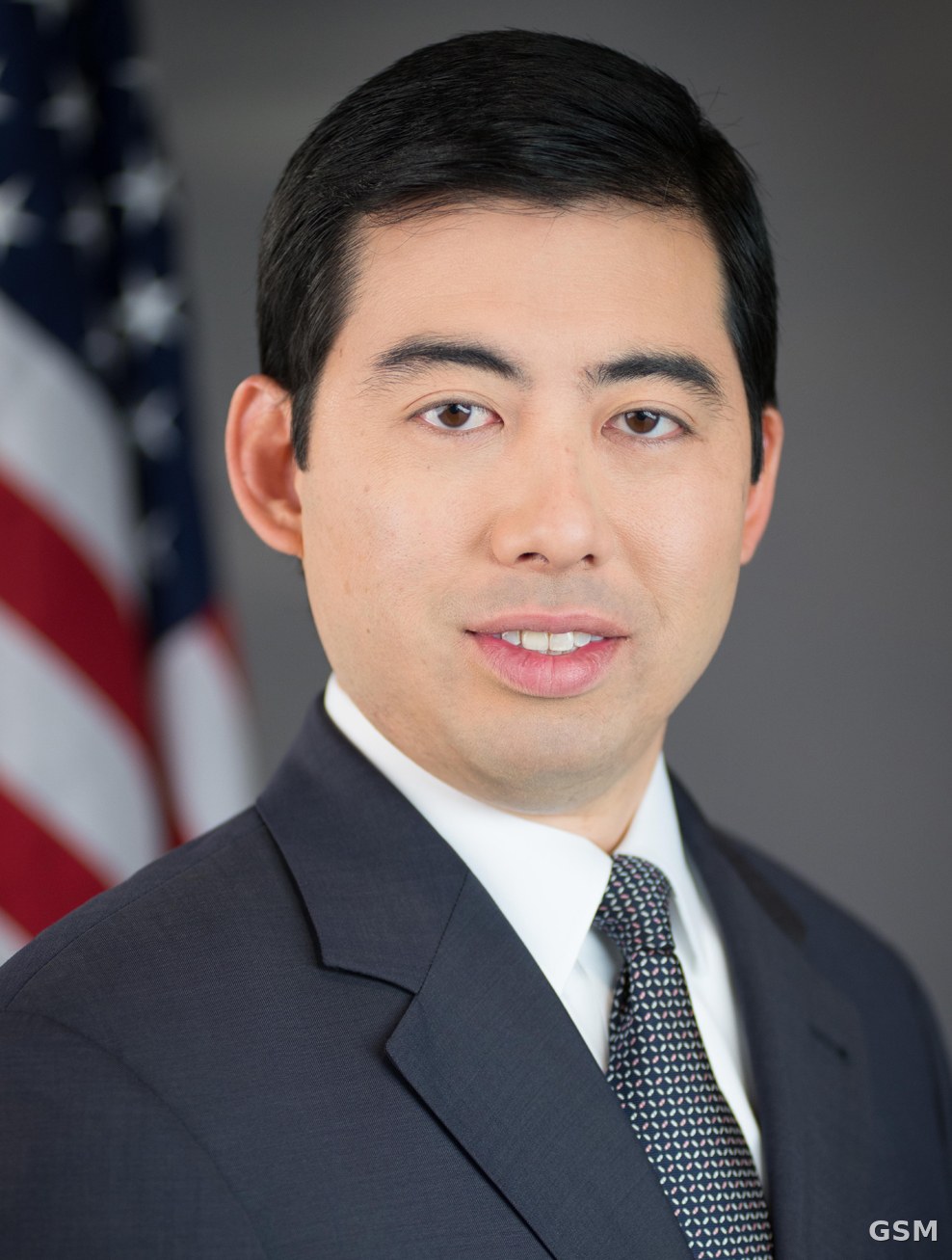
图片来源:图:美国证券交易委员会委员 Mark T. Uyeda 官方肖像。美国证券交易委员会,公共领域,经 Wikimedia Commons。 / Photo: Official portrait of SEC Commissioner Mark T. Uyeda. U.S. Securities and Exchange Commission, public domain, via Wikimedia Commons.