卫生与公众服务部拨款35,763,912美元支持残疾研究:68项新拨款覆盖脊髓损伤、就业与无障碍技术
美国卫生与公众服务部(HHS)10月28日在华盛顿宣布,通过社区生活管理局(ACL)下属的国家残疾、独立生活与康复研究所(NIDILRR),为2026财年68项新拨款提供35,763,912美元,用于残疾研究、技术开发、培训与技术援助,目标是改善残障人士的健康、扩大就业机会,支持他们独立生活并参与社区生活。
卫生与公众服务部部长 Robert F. Kennedy, Jr. 说,特朗普总统正在扩大残障美国人过上更健康、更独立、更有成效生活的机会;该部投入实用研究与新技术,消除就业障碍、改善健康、增强独立性,帮助残障人士充分参与社区,并将以这些投入是否真正改变人们的日常生活作为衡量标准。NIDILRR 代理主任 Kristi Hill 说,这批拨款将帮助残障人士保持健康、找到有意义的工作、在社区中生活和参与,目标是让研究与技术在日常生活中真正发挥作用。
康复与整体健康方面,运行自1970年的脊髓损伤模型系统项目获得支持:14个中心共8,445,498美元,研究课题包括 Craig Hospital 的手臂功能恢复与疲劳、Spaulding Rehabilitation Hospital 的居家脊髓刺激、University of Miami 的神经性疼痛,以及 MedStar Health Research Institute 的尿路感染预防。另有 Spaulding Rehabilitation Hospital 获699,999美元研究慢性烧伤成年人的自我管理,Medical University of South Carolina 获699,950美元研究脊髓损伤后的心理韧性与心理健康,包括一个线上同伴故事交流项目。
就业与经济机会方面,Virginia Commonwealth University 获925,000美元,研究雇主在招聘、合理便利与晋升方面的做法与技术;University of Texas at Austin 获700,000美元,为聋人高中生提供无障碍职业探索与就业准备支持;其他项目研究自闭症青年的职场沟通,以及用超级智能(SI)支持的任务指导帮助智力障碍员工。
独立生活与照护者支持方面,Temple University 获925,000美元开展同伴主导的社区生活项目,包括志愿交通与同伴辅导;University of Wisconsin-Milwaukee 与 Georgia Tech 合计获999,993美元,分别研发带无障碍控制的轮椅机械臂与线上辅助技术评估平台;University of Northern Colorado 帮助家庭从儿童服务过渡到成人服务,University of Pittsburgh 开展智能家居研究。
无障碍与《美国残疾人法》(ADA)落实方面,自1991年起协助残障人士、雇主、企业与公共机构理解和执行 ADA 的 ADA 全国网络获得新一轮支持:10个区域中心共11,074,444美元,University of Washington 获850,000美元设立知识转化中心,协调全国资源并改进网络的成效衡量,新工作涵盖医疗与职场无障碍、合理便利、网络无障碍,以及农村地区与小企业的需求。
技术与证据建设方面,13项小企业创新研究拨款共2,277,134美元,支持电动手部外骨骼、仿生手臂假肢、无障碍药品剂量标记与线上糖尿病预防等创新的可行性研究和后续开发;University of Central Florida 获975,000美元设立面向肢体差异人群的超级智能康复工程研究中心;现场发起项目共3,991,978美元,课题涵盖无障碍社交媒体、中风康复与孤独感;另有3项高级康复研究培训拨款共749,917美元,脊髓损伤与创伤性脑损伤模型系统数据中心合计1,599,999美元,模型系统知识转化中心获850,000美元。
HHS 表示,上述金额为2026年10月6日核实的2026财年已记录拨付,既有多年期项目另有持续资金,不计入本次68项新拨款;各拨款明细可在 USAspending.gov 与 HHS 的 TAGGS 系统查询。
HHS Awards $35,763,912 for Disability Research: 68 New Grants Cover Spinal Cord Injury, Employment and Accessibility Technology
The U.S. Department of Health and Human Services (HHS) announced in Washington on October 28 that, through the National Institute on Disability, Independent Living, and Rehabilitation Research (NIDILRR) within the Administration for Community Living (ACL), it is providing $35,763,912 in fiscal year 2026 funding for 68 new grants supporting research, technology development, training, and technical assistance aimed at improving health, expanding job opportunities, and supporting independent living and community participation for people with disabilities.
HHS Secretary Robert F. Kennedy, Jr. said President Trump is expanding opportunity for Americans with disabilities to live healthier, more independent, and more productive lives, and that HHS is investing in practical research and new technologies that remove barriers to work, improve health, strengthen independence, and help people participate fully in their communities, measured by whether they make a real difference in everyday lives. Kristi Hill, Acting Director of NIDILRR, said the grants will help people with disabilities stay healthy, find meaningful work, and live and take part in their communities.
For rehabilitation and whole-person health, the Spinal Cord Injury Model Systems program, running since 1970, receives support for 14 centers totaling $8,445,498, including studies of arm recovery and fatigue at Craig Hospital, home-based spinal stimulation at Spaulding Rehabilitation Hospital, nerve pain at the University of Miami, and urinary tract infection prevention at MedStar Health Research Institute. Spaulding Rehabilitation Hospital also receives $699,999 for self-management for adults with chronic burn injury, and the Medical University of South Carolina receives $699,950 for resilience and mental health after spinal cord injury, including an online peer story-exchange program.
For employment and economic opportunity, Virginia Commonwealth University receives $925,000 to study employer practices and technology in hiring, accommodations, and advancement, and the University of Texas at Austin receives $700,000 for accessible career exploration and job-readiness supports for deaf high school students. Other projects examine workplace communication for autistic youth and super intelligence (SI)-supported task instructions for employees with intellectual disabilities.
For independence and caregivers, Temple University receives $925,000 for peer-led community living, including volunteer transportation and peer coaching. The University of Wisconsin-Milwaukee and Georgia Tech receive $999,993 combined for a wheelchair-mounted robotic arm with accessible controls and an online assistive technology assessment platform. The University of Northern Colorado will help families moving from child to adult services, and the University of Pittsburgh will conduct smart-home research.
For accessibility and implementation of the Americans with Disabilities Act (ADA), the ADA National Network, which since 1991 has helped people with disabilities, employers, businesses, and public agencies understand and carry out the ADA, receives new support: ten regional centers totaling $11,074,444, and $850,000 for the University of Washington to run a Knowledge Translation Center coordinating national resources. New work covers healthcare and workplace access, accommodations, web access, and the needs of rural areas and small businesses.
For technology and the evidence base, 13 Small Business Innovation Research awards totaling $2,277,134 support innovations including a motorized hand exoskeleton, a bionic arm prosthesis, accessible medication dose markings, and online diabetes prevention. The University of Central Florida receives $975,000 for a Rehabilitation Engineering Research Center on super intelligence (SI) for people with limb differences. Field-initiated projects totaling $3,991,978 range from accessible social media to stroke rehabilitation and loneliness. Three Advanced Rehabilitation Research Training awards total $749,917, the spinal cord injury and traumatic brain injury model systems data centers total $1,599,999 combined, and the Model Systems Knowledge Translation Center receives $850,000.
HHS said the amounts are recorded fiscal year 2026 obligations verified on October 6, 2026, that separate funding continues existing multiyear projects, and that award details are available on USAspending.gov and the HHS TAGGS system.
来源:GSM·美国(原文链接)
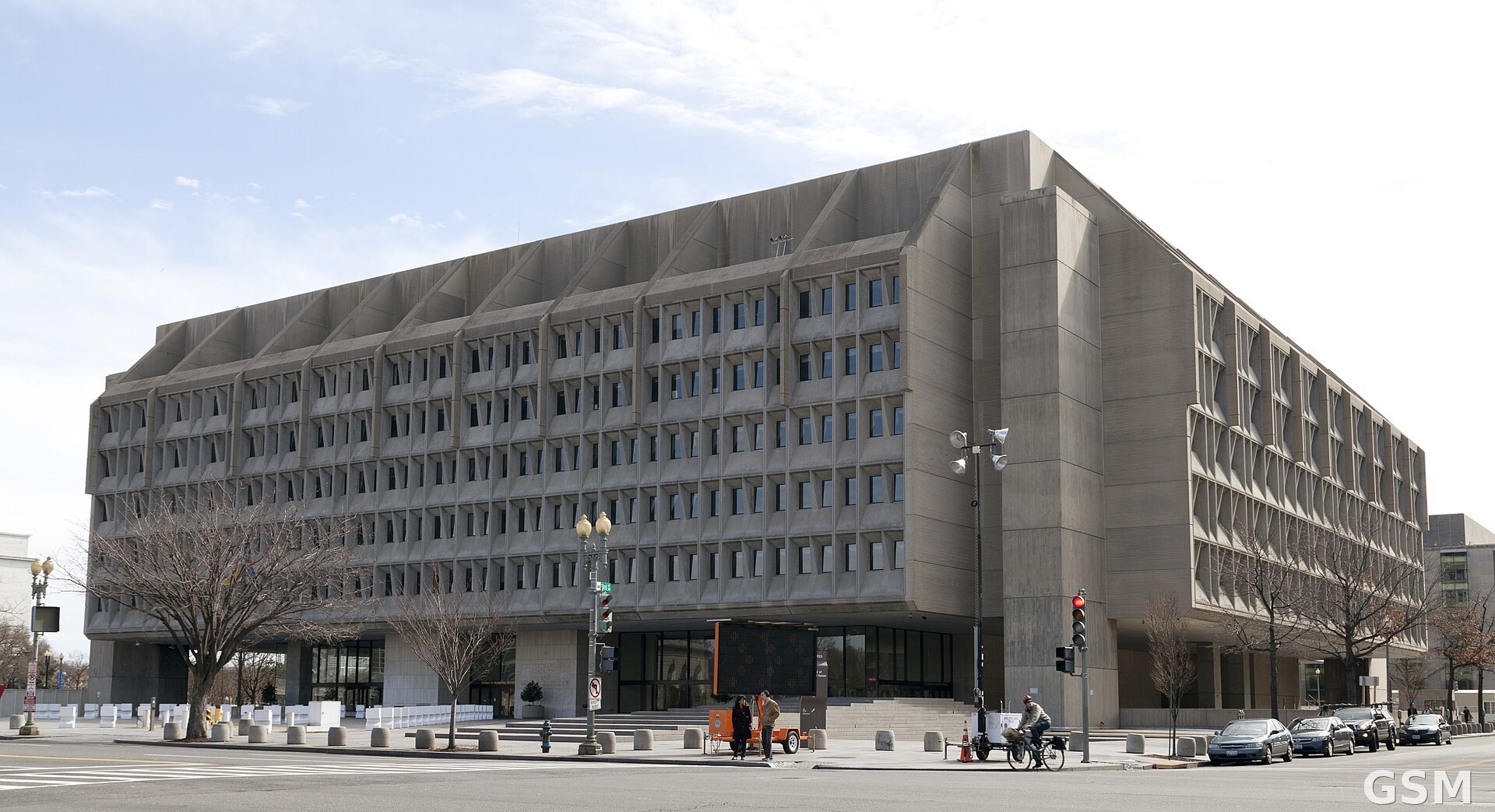
图片来源:图:美国卫生与公众服务部总部 Hubert H. Humphrey Building(华盛顿),国会图书馆藏品照片,公共领域,经 Wikimedia Commons。Photo: Hubert H. Humphrey Building, headquarters of the U.S. Department of Health and Human Services in Washington, D.C. (Library of Congress, public domain, via Wikimedia Commons).