卫生与公众服务部对六种肽类配制药暂行执法裁量:BPC-157等六种肽在列,政策10月30日刊发《联邦公报》

美国卫生与公众服务部(HHS)10月28日把一份执法裁量政策送交《联邦公报》预刊,定于10月30日正式刊发(案卷号 HHS-OASH-2026-0496),部长 Robert F. Kennedy, Jr. 署名。政策宣布:在食品药品监管局(FDA)可用于配制的原料清单(503A 清单)立法完成之前,HHS 不打算对州执照药房、联邦设施或持照医师使用政策附录所列肽类原料配制药品采取执法行动。
政策覆盖六种肽。据政策附录与多家专业媒体对附录的解读,六种肽及各自允许的给药方式为:BPC-157(皮下、肌内、口服与外用)、TB-500(皮下或肌内注射)、epitalon(皮下或肌内注射、按间歇疗程分发)、semax(鼻内使用)、KPV(外用与口服)、MOTS-c(皮下或肌内注射)。执法裁量附有条件,包括原料须来自在 FDA 注册且符合药品生产质量规范的生产商、须附证明原料身份与质量的检验文件、只按患者个人的具体处方配制、制剂只含单一活性成分,并须上报严重不良事件与产品质量问题。
HHS 在公告中说明,配制是指持照药剂师或持照医师把药物成分组合、混合或改变,做成适合单个患者需要的药物。公告明确指出,配制药未经 FDA 批准,FDA 不在其上市前审查其安全性、有效性与质量;配制药对某些患者有重要医疗价值,但也可能给患者带来风险。HHS 表示,根据药房配制咨询委员会的会议情况与肽类使用数据,由于缺乏已批准产品,公众对把这些肽用于配制有显著兴趣,为扩大和改善患者可及性才采取这项临时裁量;FDA 未来的立法可能根据现有证据,提议把其中部分或全部肽类加入 503A 清单。
这项政策在 FDA 内部曾有分歧。据美联社报道,FDA 药房配制咨询委员会今年7月投票建议允许配制这六种肽,但 FDA 自己的科学家当时建议不要解除原有限制,认为现有临床证据不足以确立这些物质的安全与有效。HHS 的公告也明确,这份政策草案不为任何人创设权利、对 HHS 与公众没有约束力;如果出现安全信号或产品质量问题,HHS 可以全部或部分重新检视这项临时政策。
公众评论可在政策于《联邦公报》刊发后两周内,经联邦法规评论网站按案卷号 HHS-OASH-2026-0496 提交。政策全文可通过 HHS 网站获取。
HHS Issues Interim Enforcement-Discretion Policy for Six Peptide Compounding Substances, Including BPC-157; Notice Publishes Oct. 30
The U.S. Department of Health and Human Services (HHS) on Oct. 28 filed an enforcement-discretion policy with the Federal Register for publication on Oct. 30 (Docket No. HHS-OASH-2026-0496), signed by Secretary Robert F. Kennedy, Jr. The policy states that, while the Food and Drug Administration's list of bulk drug substances that can be used in compounding under section 503A of the Federal Food, Drug, and Cosmetic Act is developed through rulemaking, HHS does not intend to take enforcement action against a state-licensed pharmacy, a federal facility, or a licensed physician compounding a drug product using a peptide bulk drug substance listed in the policy's appendix.
The policy covers six peptides. According to the policy appendix, as summarized by several specialist outlets, the six and their permitted routes are BPC-157 (subcutaneous, intramuscular, oral and topical forms), TB-500 (subcutaneous or intramuscular injection), epitalon (subcutaneous or intramuscular injection, dispensed in intermittent courses), semax (intranasal use), KPV (topical and oral forms) and MOTS-c (subcutaneous or intramuscular injection). The discretion applies under conditions that include sourcing the peptides from FDA-registered manufacturers that comply with current good manufacturing practice, obtaining certificates of analysis documenting identity and quality, compounding only under patient-specific prescriptions, limiting products to a single active ingredient, and reporting serious adverse events and product-quality problems.
In the notice, HHS explains that compounding is the practice in which a licensed pharmacist or physician combines, mixes or alters ingredients to create a medication tailored to an individual patient. The notice states plainly that compounded drugs are not FDA-approved, meaning FDA does not review their safety, effectiveness or quality before they are marketed, and that while compounded drugs can serve an important medical need, they may also pose risks to patients. HHS said that, based on Pharmacy Compounding Advisory Committee meetings and data on peptide utilization, there is significant interest in using these peptides in compounding given the lack of approved products, and that the interim step is meant to expand and improve patient access. Future FDA rulemaking may propose adding some or all of the peptides to the 503A bulks list based on the available evidence.
The policy followed disagreement inside FDA. According to Associated Press reporting, an FDA advisory panel voted in July to recommend allowing compounding of the same six peptides, while FDA's own scientists recommended against unwinding the existing restrictions, concluding the evidence was insufficient to establish their safety and effectiveness. The HHS notice also states that the draft policy does not establish any rights for any person and is not binding on HHS or the public, and that HHS may revisit the interim policy in whole or in part if a safety signal or a product-quality issue arises.
Written comments can be submitted via the federal regulations portal under Docket No. HHS-OASH-2026-0496 until two weeks after the notice is published in the Federal Register. The full policy document is available through the HHS website.
来源:GSM·美国(原文链接)
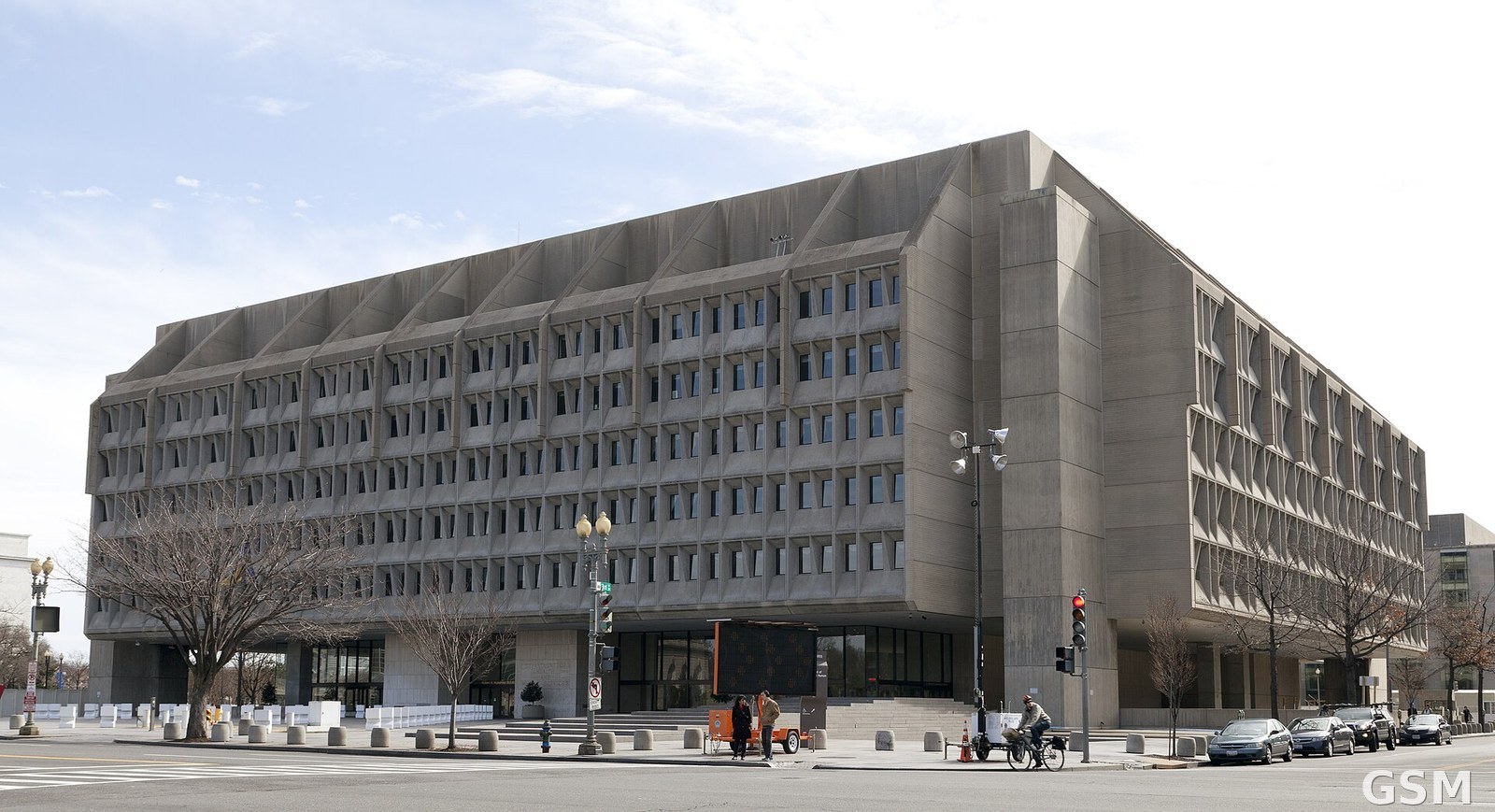
图片来源:图:位于华盛顿的美国卫生与公众服务部总部休伯特·汉弗莱大楼入口,墙上刻有部门名称(2025年2月摄)。G. Edward Johnson 摄,CC BY 4.0,经 Wikimedia Commons。 / Photo: Entrance to the Hubert H. Humphrey Building, headquarters of the U.S. Department of Health and Human Services in Washington, D.C. (February 2025). By G. Edward Johnson, CC BY 4.0, via Wikimedia Commons.