司法部监察长审计四家执法机构线人政策:总体合规但三处需改进,五项建议获全部同意
美国司法部监察长办公室(OIG)10月28日发布审计报告,评估司法部四家执法机构的线人政策:烟酒枪炮及爆炸物管理局(ATF)、缉毒局(DEA)、联邦调查局(FBI)与美国法警局(USMS)在使用机密线人(CI)时,其政策是否符合总检察长的相关指引与司法部的内部控制框架。线人向执法机关提供有价值且可信的信息,司法部通过既有指引与内控措施管理其相关风险。
审计结论是,四家机构的政策总体上大体遵循了司法部的要求,在保护线人身份、降低与犯罪组织有关联的线人带来的风险、以及保障纳税人资金等方面基本合规。同时,审计也指出有进一步完善政策的机会,以应对执法重点与技术演变带来的新风险。
审计点出的第一处改进,是现行司法部指引没有充分跟上执法重点的重大变化,例如卡特尔等组织被列为外国恐怖组织、芬太尼被归类为大规模杀伤性武器,以及部分机构的线人付款方式从现金转向电子支付。第二处是内控要求不一致:适用于线人使用的两套总检察长指引在内部控制要求上并不完全一致,导致各机构对线人的监督尺度不一,审计认为两套指引进一步对齐将使监督做法更一致。
第三处涉及对「本属违法活动」的监控:对那些经授权从事原本属于违法活动的线人,监控仍需加强。审计举例说,ATF、DEA 与 USMS 的政策可以更好地降低线人操作涉及枪支等危险品时的风险,ATF 与 USMS 还应强化规定,要求在让线人从事这类活动之前向其提供书面指示。
OIG 据此共提出五项建议:一项给司法部副部长办公室,四家机构各一项,目的是帮助司法部应对新出现的风险、强化线人政策。司法部与四家机构均已同意各自收到的建议。
DOJ Inspector General Audits Informant Policies at Four Agencies: Largely Compliant, Three Fixes Needed, All Five Recommendations Accepted
The Department of Justice Office of the Inspector General (OIG) on Oct. 28 released an audit report assessing whether the confidential informant (CI) policies of four DOJ law-enforcement components — the Bureau of Alcohol, Tobacco, Firearms and Explosives (ATF), the Drug Enforcement Administration (DEA), the Federal Bureau of Investigation (FBI) and the U.S. Marshals Service (USMS) — complied with the Attorney General's guidance and DOJ's internal control framework. Confidential informants provide valuable and credible information to law enforcement, and DOJ supports their use through established guidance and internal controls designed to manage the associated risks.
The audit found that the four agencies' policies largely adhered to DOJ requirements intended to protect informant identities, mitigate risks associated with informants linked to criminal organizations, and safeguard taxpayer funds. At the same time, the OIG identified opportunities to strengthen compliance and address emerging risks tied to evolving law-enforcement priorities and techniques.
First, the OIG found that DOJ guidance has not adequately addressed significant changes in law-enforcement priorities, such as the designation of cartels and other organizations as foreign terrorist organizations, the classification of fentanyl as a weapon of mass destruction, and the transition from cash-based to electronic informant payments at some components. Second, the two sets of Attorney General guidelines that apply to informant use are not entirely consistent in their internal-control requirements, which has led to varying levels of informant oversight among the components; greater alignment, the OIG said, would promote more consistent oversight.
Third, the audit said monitoring needs improvement for informants who are authorized to engage in activity that would otherwise be illegal. As examples, it said ATF, DEA and USMS policies can better mitigate risks in informant operations involving dangerous commodities such as firearms, and that ATF and USMS policies need to be strengthened by requiring that informants be given written instructions before they engage in otherwise illegal activities.
The OIG made five recommendations — one to the Office of the Deputy Attorney General and one to each of the four components — to help DOJ address the emerging risks and enhance its informant policies. The Department of Justice and all four components agreed with their individual recommendations.
来源:GSM·美国(原文链接)
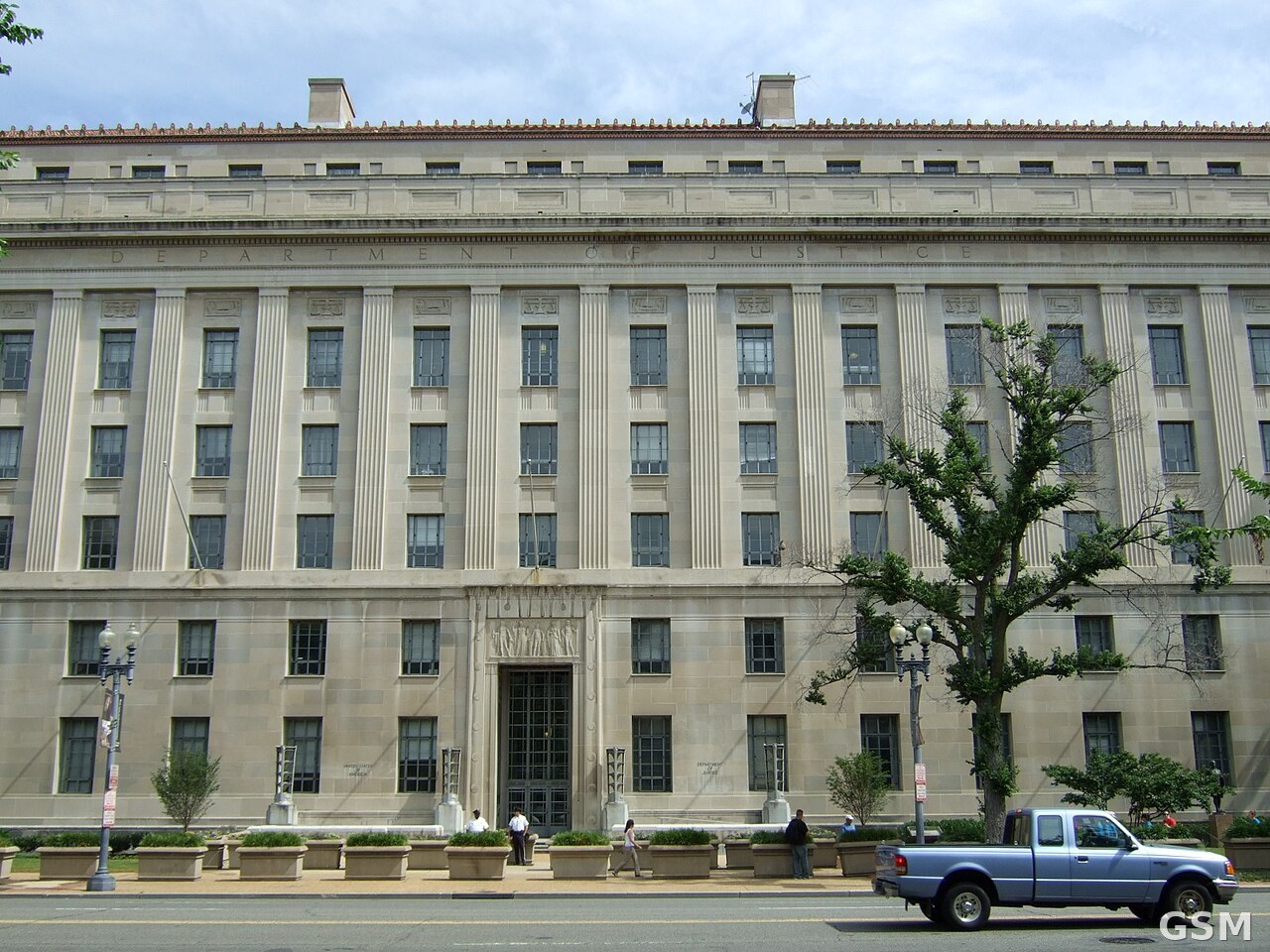
图片来源:图:位于华盛顿的美国司法部总部罗伯特·F·肯尼迪大楼正立面,檐口刻有部门名称。Baseball Watcher 摄,CC BY-SA,经 Wikimedia Commons。 / Photo: Front of the Robert F. Kennedy Department of Justice Building in Washington, D.C. By Baseball Watcher, CC BY-SA, via Wikimedia Commons.