联邦贸易委员会启动个性化定价与薪酬调查:向达美、优步、沃尔玛等9家公司发令,要求交代如何用个人数据定价
美国联邦贸易委员会(FTC)10月28日宣布,已依据《联邦贸易委员会法》第6(b)条向9家公司发出命令,要求提交如何使用个人数据设定价格与薪酬的详细资料,以研究企业是否按人定价、按人定薪。收令公司为达美航空(Delta)、美国联合航空(United)与捷蓝航空(JetBlue)三家航空公司,网约车平台Lyft与优步(Uber),外卖与配送平台DoorDash与Instacart,以及零售商Target与沃尔玛(Walmart)。收件方须在收到命令后45天内答复,委员会以2比0表决通过发出这些特别命令。
FTC表示,每家公司须交出资料,说明机票、网约车、外卖或其他产品与服务的价格,是否会因一个人是否参与忠诚度计划、或超级智能(SI)算法对其个人数据的分析而因人而异。命令还要求公司记录其调整或设定薪酬与价格所用的数据输入、工具与程序。若公司拒不提交所需资料,委员会有权诉请联邦法院强制执行。依第6(b)条,FTC有权开展不以具体执法为目的的广泛研究,研究结果将用于为监管者与立法者提供参考。
在薪酬一侧,FTC指出,航空公司通常以透明的薪资或固定时薪支付员工,而网约车与外卖公司可能按不透明的公式向司机与骑手给出不断浮动的薪酬报价。这类公司可能依据司机的个人数据进行「个性化薪酬」,例如司机的手机使用情况、或其过往接受报价的历史。
FTC主席Andrew N. Ferguson表示:「我们打算仔细审查这些行业中一些公司可能正在使用的那套不透明方法——用它决定消费者要付多少钱、或零工为同一项产品或服务能拿多少钱。消费者有权知道,公司是否利用他们的上网习惯或其他个人数据,来估算能向每位消费者收取的最高价格。劳动者也有权知道,自己的薪酬是否受公司使用其个人数据的影响。」
FTC介绍,委员会曾在2024年年中对个性化定价开展研究,并在特朗普总统就职前数日发布了工作人员的初步发现,但那项研究只考察了中间咨询商,而不是真正在向消费者销售产品与服务的企业,因此无从了解实际的定价决定。本次研究纠正了2024年研究的做法,直接向可能从事个性化定价的公司索取资料。今年8月,FTC已就一份执法政策声明草案征求公众意见:未披露地使用个人信息、为单个消费者设定其独有价格,可能违反《联邦贸易委员会法》。
据美联社与路透社报道,达美航空回应称,公司对歧视性或掠夺性定价「零容忍」,全面遵守定价与广告法律,并表示达美从未使用、正在测试或计划使用任何以个人数据针对顾客个人报价的票价产品。捷蓝航空表示,公司不使用个人信息或上网浏览历史设定个人价格,票价由需求与座位供应决定,所有顾客都能获得相同的票价。其余公司未即时作出回应。
FTC Launches Personalized Pricing and Compensation Inquiry, Ordering Delta, Uber, Walmart and Six Others to Turn Over Data
The Federal Trade Commission (FTC) announced on October 28 that it has ordered nine major companies to provide detailed information that will allow the agency to study the use of personal data to set prices and compensation, acting under Section 6(b) of the FTC Act. The orders were issued to airlines Delta, United and JetBlue; ride-sharing companies Lyft and Uber; food-delivery firms DoorDash and Instacart; and retailers Target and Walmart. The recipients will have 45 days from the date they receive the orders to respond, and the Commission vote to approve issuing the special orders was 2-0.
Each company must turn over information that will allow the agency to assess whether the pricing for a ticket, ride share, food delivery or other product or service varies from one person to the next based on factors such as participation in loyalty programs or analysis of personal data by superintelligence (SI) algorithms, and the orders ask the companies to document the inputs, tools and procedures used to adjust or set compensation and pricing. If a company fails to turn over the required information, the Commission has the power to compel compliance in federal court. Under Section 6(b), the Commission has authority to conduct wide-ranging studies that do not have a specific law enforcement purpose, and the agency says the material will be used to publish a study informing regulators and lawmakers.
On compensation, the FTC noted that while airlines typically pay employees a transparent salary or fixed hourly wages, ride-sharing and food-delivery companies may pay their workers shifting compensation offers based on opaque formulas. These companies may engage in personalized compensation based on their drivers' personal data, such as their phone usage or acceptance history for past offers.
'We intend to scrutinize the opaque methodology that some companies in these industries may be using to determine how much consumers pay or how much gig workers are paid for the same product or service,' said FTC Chairman Andrew N. Ferguson. 'Consumers deserve to know whether companies use their web surfing habits or other personal data to estimate the highest price they can charge each consumer. Workers also deserve to know if their compensation is affected by how companies use their personal data.'
The Commission issued a study on personalized pricing in mid-2024 and released staff findings days before President Donald J. Trump took office, but that study examined only middlemen consultancies rather than the businesses that actually set prices, and the agency learned nothing about actual pricing decisions from it. This study corrects the Commission's 2024 approach by demanding information directly from companies that may be engaging in personalized pricing. In August, the Commission invited public comment on a proposed enforcement policy statement describing how the undisclosed use of personal information to set a price unique to a consumer could violate the FTC Act.
In response, according to the Associated Press and Reuters, Delta Air Lines said it has zero tolerance for discriminatory or predatory pricing and fully complies with pricing and advertising laws, stating that there is no fare product Delta has ever used, is testing or plans to use that targets customers with individualized offers based on personal data. JetBlue said it does not use personal information or web-browsing history to set individual prices, that fares are determined by demand and seat availability, and that all customers have access to the same fares. The other companies did not immediately respond to requests for comment.
来源:GSM·美国(原文链接)
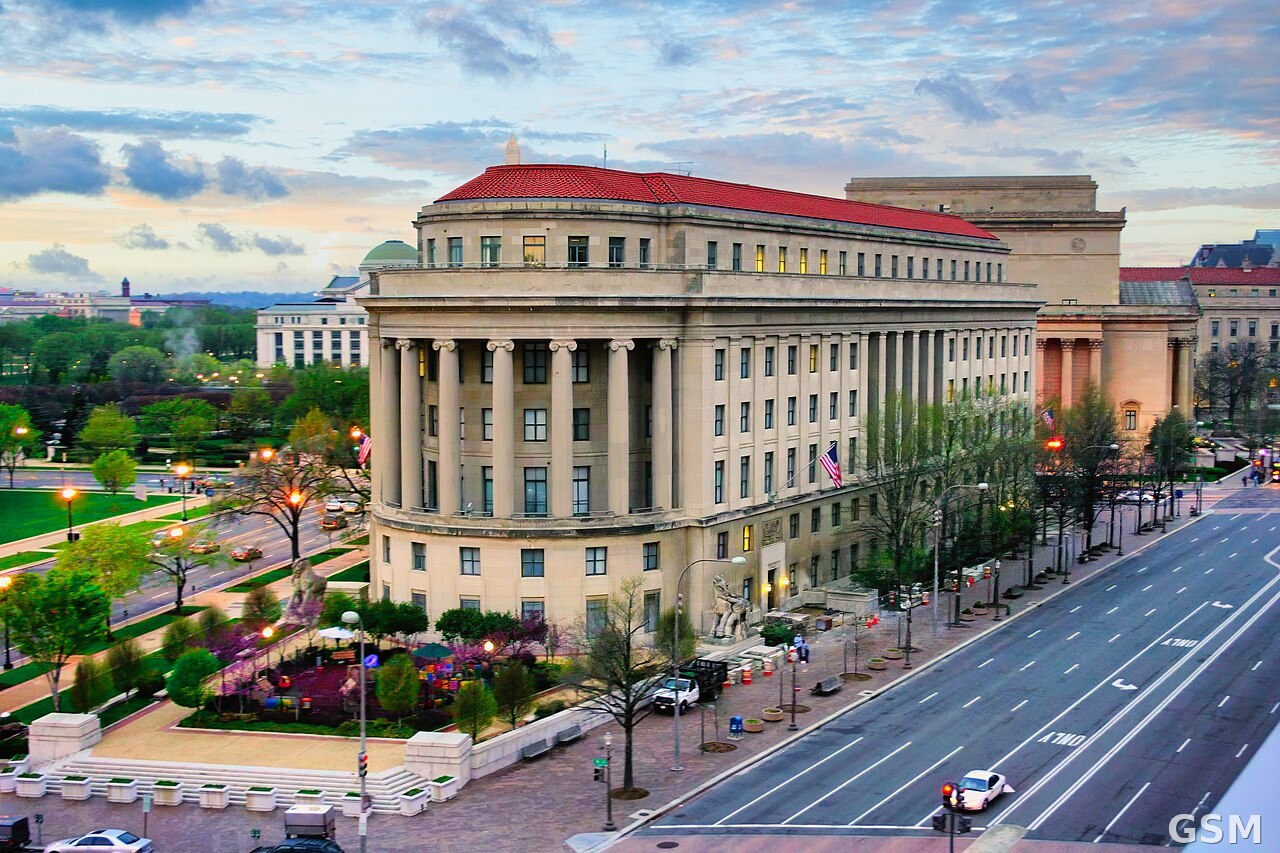
图片来源:图:位于华盛顿Constitution Avenue与7th Street的联邦贸易委员会总部Apex Building全楼(资料图)。图片来源:Harrison Keely摄,CC BY 4.0,经Wikimedia Commons。 / Photo: The Apex Building, headquarters of the Federal Trade Commission, at Constitution Avenue and 7th Street in Washington, D.C. Photo by Harrison Keely, CC BY 4.0, via Wikimedia Commons.