NASA载人登月候选着陆点出炉:国家科学院报告推荐4个非极地地点,UCSD学者共同主持研究
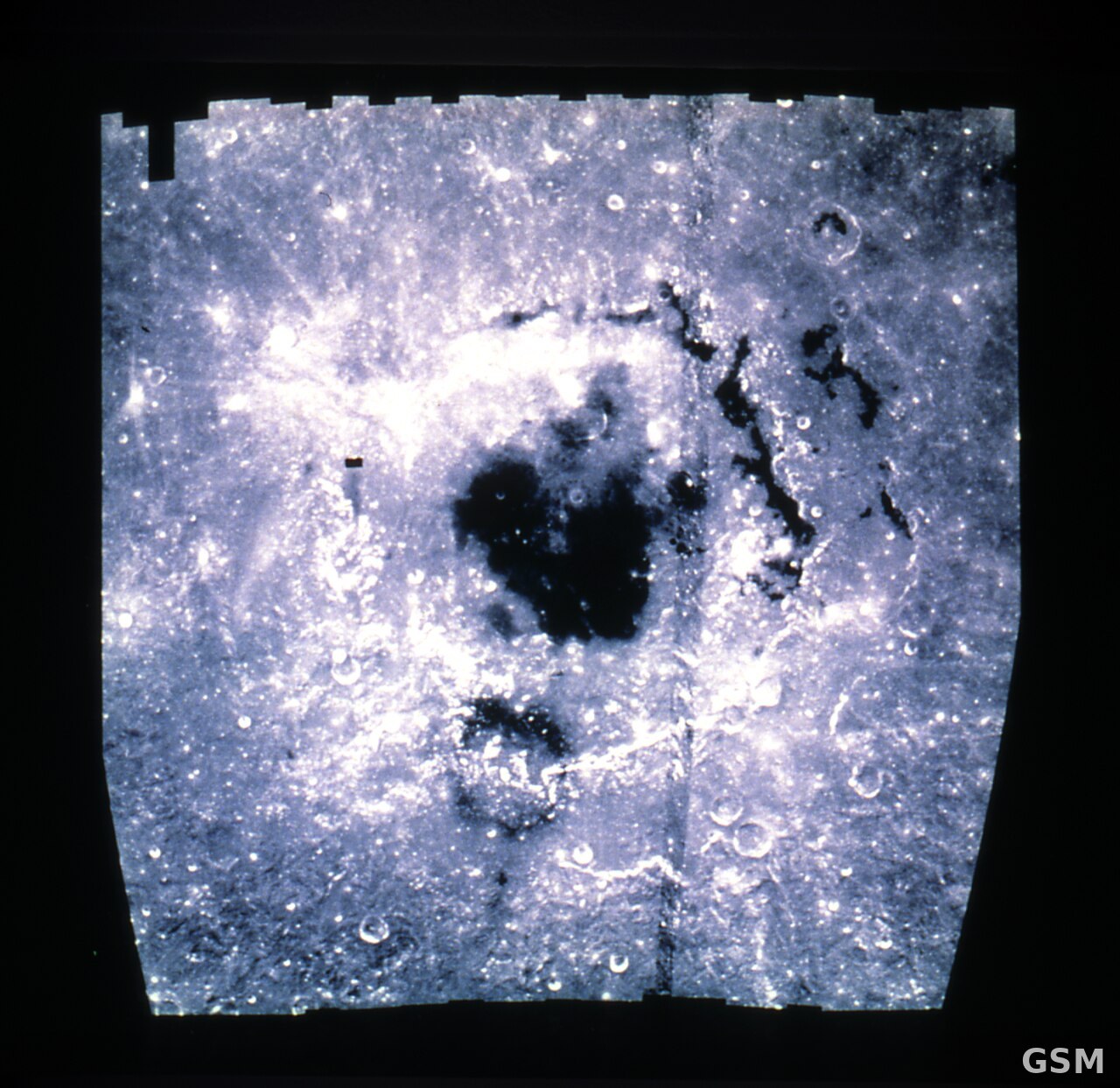
美国国家科学院10月21日发布受美国国家航空航天局(NASA)委托完成的报告《穿越月球的人类探索》(Human Exploration Across the Moon),为美国下一阶段载人登月任务推荐4个非极地候选着陆点:Bhabha陨石坑、Mons Hadley(哈德利山)、Orientale盆地(东方海盆地)和Aristarchus高原(阿里斯塔克斯高原)。报告撰写委员会由加州大学圣迭戈分校Scripps海洋研究所地质学家James Day与普渡大学的Daniel Dumbacher共同主持。
报告为近期任务提出「短时出舱」模式:每批两名宇航员登月,在月面开展1至4次出舱活动,任务基线不依赖加压月球车,优先选择基础设施要求较低的非极地地点。委员会按照科学价值、任务风险与资源可及性综合权衡,认为这4个地点能让宇航员在短暂停留内完成高价值的采样与探测。
4个地点各有科学目标:位于月球背面南极—艾特肯盆地内的Bhabha陨石坑有助于研究月球内部物质与盆地形成年代;Mons Hadley靠近1971年阿波罗15号着陆区,可深化对月球火山活动与撞击历史的认识;Orientale盆地是月球上保存最完好的大型多环撞击盆地之一;Aristarchus高原地质构造复杂,是研究月球火山活动的重要窗口。
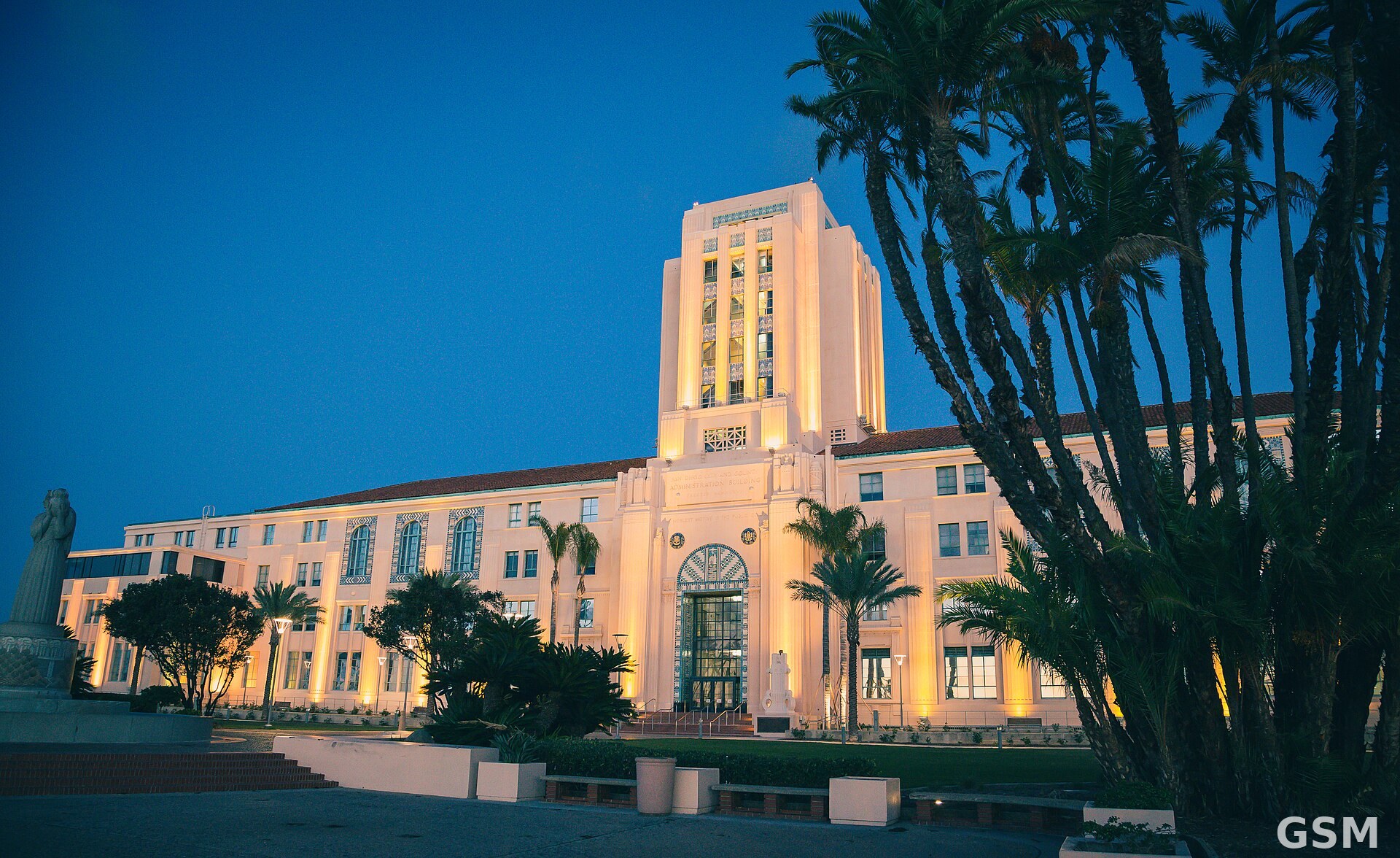
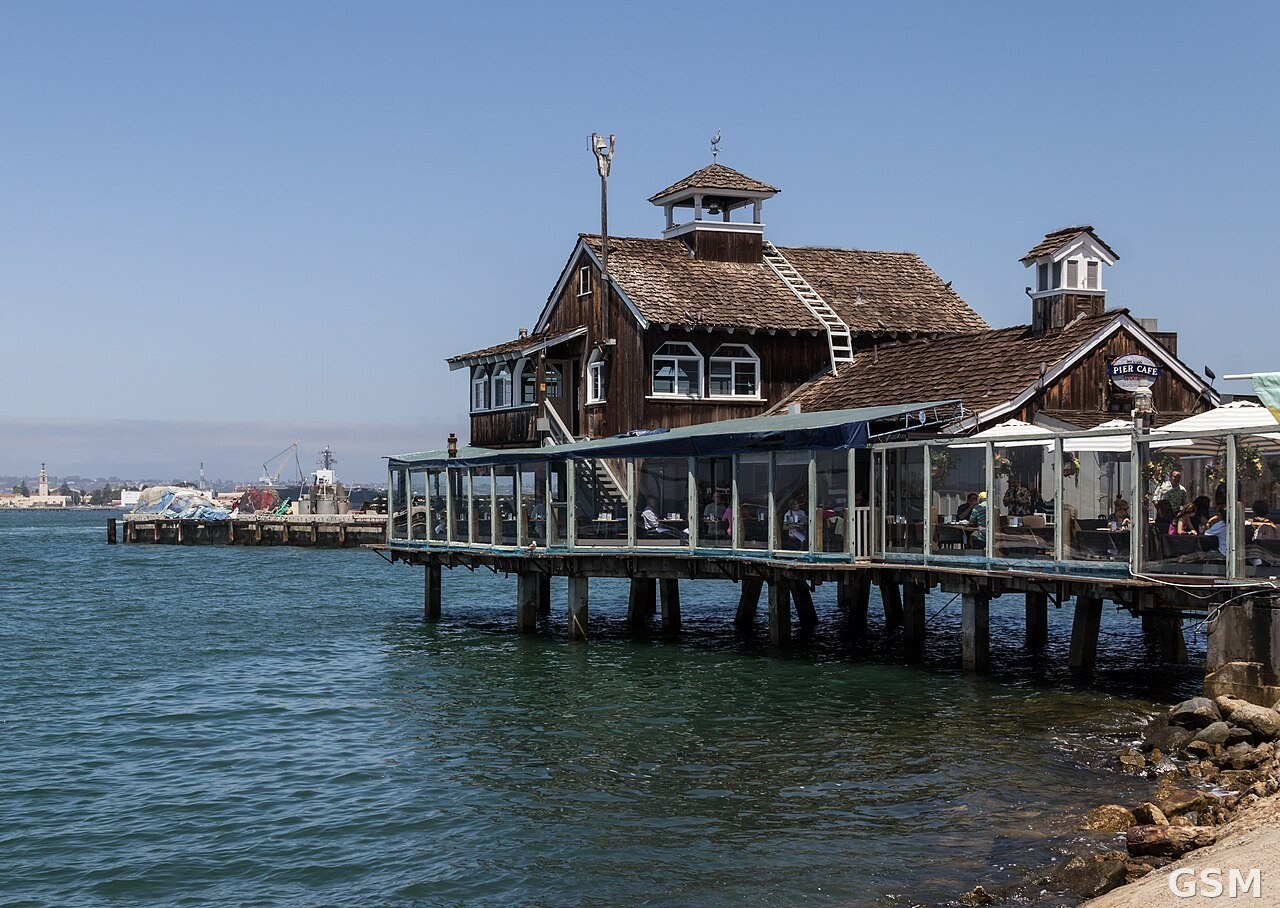
报告同时指出,月球南极等极地任务需要更完备的后勤与基础设施支撑,可在后续阶段推进。Scripps海洋研究所位于加利福尼亚州圣迭戈县的拉霍亚(La Jolla),隶属加州大学圣迭戈分校,是世界知名的海洋与地球科学研究机构;该所学者共同主持这项为NASA探月规划提供依据的研究,显示南加州科研机构在行星科学领域的分量。
National Academies Report Names Four Candidate Sites for Crewed Moon Landings, Co-Chaired by UC San Diego Scholar
The National Academies on October 21 released "Human Exploration Across the Moon," a report commissioned by NASA that recommends four non-polar candidate landing sites for the next phase of U.S. crewed lunar missions: Bhabha crater, Mons Hadley, Orientale Basin and the Aristarchus Plateau. The committee that wrote the report was co-chaired by James Day, a geologist at the Scripps Institution of Oceanography at the University of California, San Diego, and Daniel Dumbacher of Purdue University.
For near-term missions, the report proposes a "short sortie" mode: two astronauts at a time would land and conduct one to four spacewalks on the surface, with a baseline that does not depend on a pressurized rover, favoring non-polar sites that require less infrastructure. Weighing scientific value, mission risk and access to resources, the committee concluded the four sites would let crews carry out high-value sampling and exploration during brief stays.
Each site carries distinct science goals. Bhabha crater, inside the South Pole-Aitken Basin on the lunar far side, can help researchers study the Moon's interior material and date the basin. Mons Hadley, near the 1971 Apollo 15 landing site, could deepen understanding of lunar volcanism and impact history. Orientale Basin is one of the best-preserved large multi-ring impact basins on the Moon, and the geologically complex Aristarchus Plateau is a key window into lunar volcanic activity.
The report notes that polar missions, such as to the lunar south pole, will require more extensive logistics and infrastructure and can follow in a later phase. Scripps, located in La Jolla in San Diego County, California, and part of UC San Diego, is a world-renowned ocean and earth science institution; its scholar co-chairing the study that will guide NASA's lunar planning underscores Southern California's role in planetary science.
来源:GSM·美国(原文链接)
图片来源:图:月球Orientale盆地(东方海盆地)拼接影像,为本次报告推荐的候选着陆点之一。NASA拍摄,公共领域,来源:Wikimedia Commons / Photo: Mosaic image of the Moon's Orientale Basin, one of the candidate landing sites recommended in the report. NASA, public domain, via Wikimedia Commons