斯坦福KIPAC天体物理报告10月29日举行:哈佛天体物理中心Patrick Slane讲钱德拉X射线天文台的高清X射线天空,免费开放
位于加州圣克拉拉县的斯坦福大学卡弗里粒子天体物理与宇宙学研究所(KIPAC)将于10月29日(周四)上午11时至12时举办天体物理学术报告《高清X射线天空:钱德拉X射线天文台的持续天体物理遗产》(The X-ray Sky in High Definition: The Continuing Astrophysics Legacy of the Chandra X-ray Observatory),由哈佛天体物理中心(Center for Astrophysics | Harvard & Smithsonian)的Patrick Slane主讲,地点在斯坦福校园物理与天体物理大楼(PAB)102/103室。报告属KIPAC天体物理学术报告系列,公开发布、免费参加,斯坦福活动日历未要求提前报名。
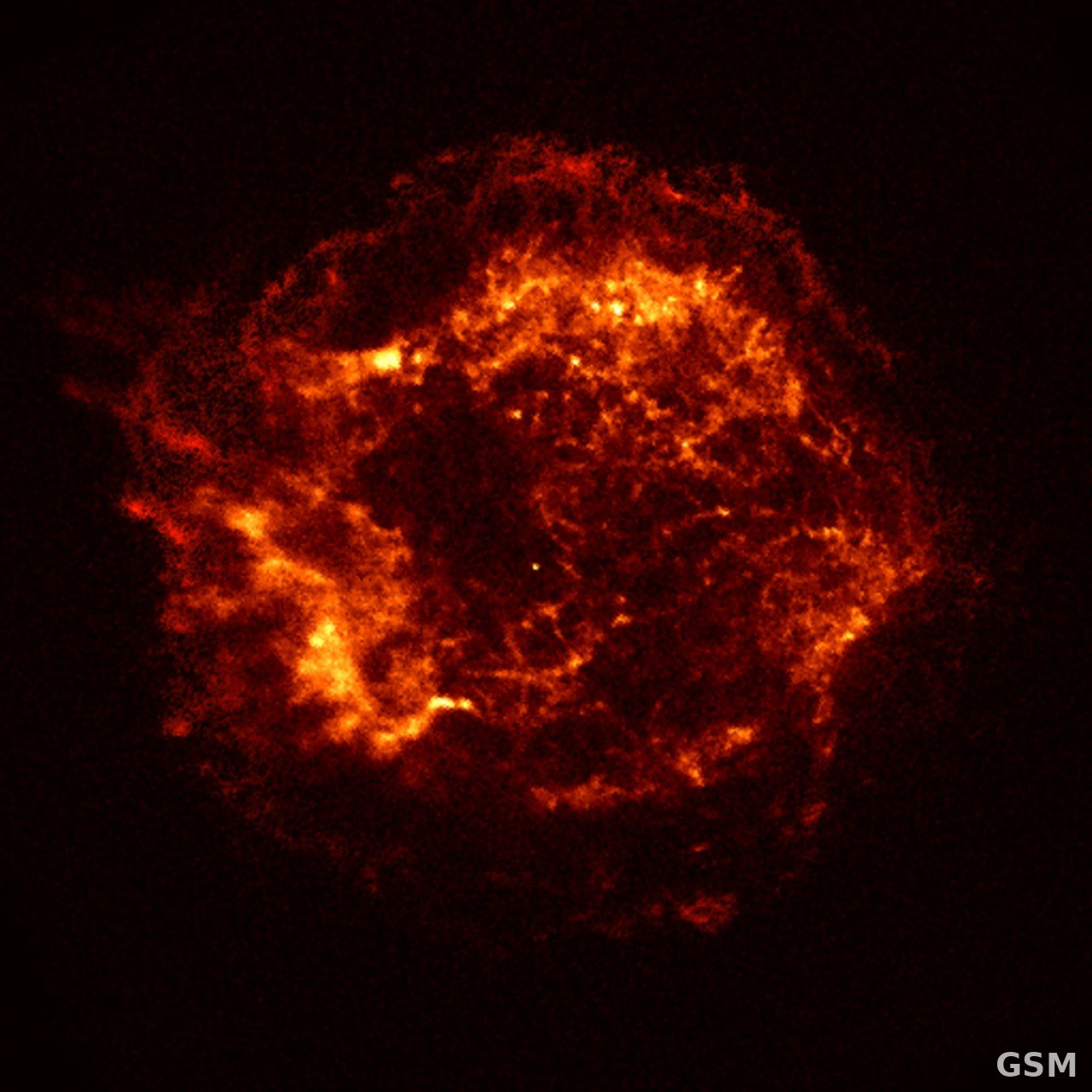
钱德拉X射线天文台(Chandra X-ray Observatory)是美国国家航空航天局(NASA)的大型空间天文台之一,1999年7月由哥伦比亚号航天飞机送入轨道,同年8月发布「第一缕光」图像——超新星遗迹仙后座A。钱德拉的镜面精度达到亚角秒级(约0.5角秒),能在X射线波段拍出前所未有的锐利图像,让天文学家得以细看超新星遗迹的激波与喷流、星系团中上千万度的高温气体、黑洞周围的吸积结构;它对「子弹星系团」的观测还给出了暗物质存在的直接证据。原设计寿命5年的钱德拉已连续工作26年,仍是X射线天文学的核心观测设备。
主讲人Patrick Slane是哈佛天体物理中心资深天体物理学家,长期从事超新星遗迹与脉冲星风星云的X射线研究,是钱德拉科学团队的核心成员之一。本场报告将回顾钱德拉四分之一个世纪以来的主要发现,并讨论这台望远镜持续产出的科学成果如何改变了人们对高能宇宙的认识。
参加方式:报告免费、公开举行,活动页未列报名要求,有意参加者可提前查阅斯坦福活动日历与KIPAC官网的活动页确认时间地点;本场为实地报告,无线上直播安排。
Stanford KIPAC Colloquium on October 29: Harvard Astrophysicist Patrick Slane on the Chandra X-ray Observatory's High-Definition X-ray Sky, Free and Open
The Kavli Institute for Particle Astrophysics and Cosmology (KIPAC) at Stanford University, in Santa Clara County, California, will host an astrophysics colloquium titled "The X-ray Sky in High Definition: The Continuing Astrophysics Legacy of the Chandra X-ray Observatory" on Thursday, October 29, from 11:00 a.m. to 12:00 p.m., in Rooms 102/103 of the Physics & Astrophysics Building (PAB) on the Stanford campus. The speaker is Patrick Slane of the Center for Astrophysics | Harvard & Smithsonian. The talk is part of the KIPAC Astrophysics Colloquium series; it is publicly listed and free to attend, and the Stanford events calendar lists no advance registration requirement.
The Chandra X-ray Observatory is one of NASA's great space observatories. Launched aboard the Space Shuttle Columbia in July 1999, it released its "first light" image — the Cassiopeia A supernova remnant — that August. With mirrors polished to sub-arcsecond precision (about 0.5 arcseconds), Chandra images the X-ray sky more sharply than any X-ray telescope before it, letting astronomers resolve shock waves and jets in supernova remnants, the multimillion-degree gas in galaxy clusters, and structures around black holes; its observations of the Bullet Cluster provided direct evidence for dark matter. Designed for a five-year mission, Chandra has now operated for 26 years and remains a cornerstone of X-ray astronomy.
Speaker Patrick Slane is a senior astrophysicist at the Center for Astrophysics | Harvard & Smithsonian whose research focuses on the X-ray study of supernova remnants and pulsar wind nebulae, and who has long been a core member of the Chandra science community. His talk will review the observatory's major discoveries over a quarter century and discuss how its continuing output has reshaped our view of the high-energy universe.
How to attend: The colloquium is free and open, with no registration requirement listed; check the Stanford events calendar and the KIPAC website to confirm the time and room before going. The talk is held in person, with no livestream listed.
来源:GSM·美国(原文链接)
图片来源:图:钱德拉X射线天文台1999年发布的「第一缕光」图像——超新星遗迹仙后座A(Cassiopeia A),中心的亮点可能是爆炸后留下的中子星或黑洞。公共领域图片,来源:NASA/钱德拉X射线中心(NASA/CXC/SAO)。Photo: Chandra X-ray Observatory's 1999 "first light" image of the Cassiopeia A supernova remnant. Public domain, NASA/CXC/SAO.