国家海洋和大气管理局10月26日发布长鳍鱿鱼评估:渔业界150万条体长记录支撑两个新模型,2024年产值约3250万美元
国家海洋和大气管理局(NOAA)下属的国家海洋渔业局(NOAA Fisheries)10月26日发布长鳍鱿鱼种群评估进展:一项由科学家与商业渔业界合作完成的研究轨道评估已通过独立同行评审,两个新评估模型获批用于管理建议。长鳍鱿鱼主要捕捞于 Rhode Island 至 New Jersey 海域,是餐厅菜单上常见的鱿鱼食材,2024年其商业渔业产值约3,250万美元。
据 NOAA 介绍,长鳍鱿鱼寿命不到一年、生长迅速,幼体补充量年际波动大;种群随季节洄游,深秋向南、向外海移动,春季再向北、向近岸返回,科学调查船只能捕捉季节性快照,难以掌握渔业实际捕获的个体情况。2026年8月,独立科学家小组完成这项研究轨道评估的同行评审,批准的两个模型均满足全部参考条款,被认定适合提供管理建议;两个模型给出的结论大体一致:近年来长鳍鱿鱼的捕捞死亡率较低、生物量较高。评审成果将在今秋的管理轨道评估中实施,中大西洋渔业管理委员会(Mid-Atlantic Fishery Management Council)将在2026年12月会议上审议,并据此制定2027至2029年的渔业规格。
这项评估汇集了多年的合作研究数据。评估工作组由学术界、政府与独立机构的科学家以及中大西洋渔业管理委员会成员组成,2024至2026年间共开会34次。长鳍鱿鱼生物采样计划在2023至2025年间每周从商业渔船采集样本,30多艘渔船参与,采样范围从 Massachusetts 州 Cape Cod 一直到 North Carolina 州 Cape Hatteras。东北合作研究分部主任 Anna Mercer 表示,这项合作产生了迄今最全面的长鳍鱿鱼生活史数据集,涵盖两年的连续每周采样;她还表示,科学与渔业界之间信任与合作的基础,是这次评估取得科学进展的关键。
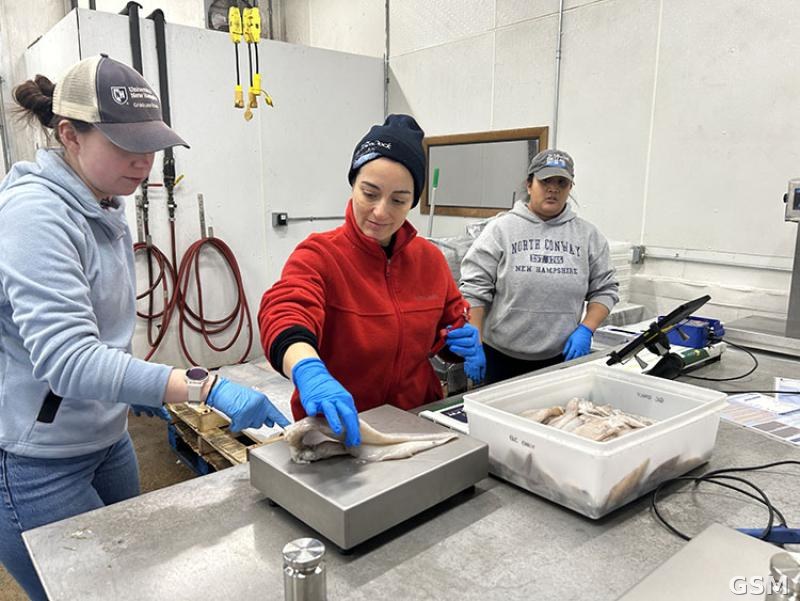
海鲜加工企业分享的数据同样关键。Lund's Fisheries、Sea Freeze Limited、Sea Fresh USA 与 The Town Dock/American Seafood Partners 四家加工厂提供了多年的体长与体重记录。渔业生物学家 Jessica Blaylock 表示,加工厂提供的商业渔获大小数据对评估至关重要;Virginia 海洋科学研究所科学家 James Gartland 表示,业界分享的数据合计超过150万条个体体长记录,最高占近年长鳍鱿鱼年上岸量的一半。两个新模型中,一个按体长与性别追踪种群、并计入随温度变化的生长,另一个按6个月间隔追踪种群总体生物量;东北地区协调委员会已建议今秋的管理轨道评估优先采用较简便的季节性模型,未来再视资源情况选用。
NOAA Fisheries Releases Longfin Squid Assessment on October 26: 1.5 Million Industry Length Records Back Two New Models for a Fishery Worth $32.5 Million in 2024
NOAA Fisheries, part of the National Oceanic and Atmospheric Administration (NOAA), reported on October 26 that a research track assessment of longfin squid, completed through collaboration between scientists and the commercial fishing industry, has passed independent peer review, with two new assessment models approved for management advice. Longfin squid are caught mainly from Rhode Island to New Jersey and are a familiar restaurant item as calamari; the commercial fishery was worth approximately $32.5 million in 2024.
According to NOAA, longfin squid live less than a year, grow rapidly, and have highly variable recruitment. The population migrates seasonally, moving south and offshore in the late fall and returning north and inshore in the spring, so scientific surveys capture only seasonal snapshots and cannot show the specifics of the squid caught in the fishery. In August 2026, an independent panel of scientists completed the peer review of the Research Track Assessment and approved two new models, both of which met all required Terms of Reference and were deemed suitable for management advice. The two approaches produced broadly consistent conclusions: low fishing mortality and high longfin squid biomass in recent years. The findings will be implemented in the Management Track Assessment this fall, and the Mid-Atlantic Fishery Management Council will review the results at its December 2026 meeting to set fishery specifications for 2027-2029.
The assessment drew on several years of cooperative research. The working group, made up of scientists from academia, government and independent organizations together with the Mid-Atlantic Fishery Management Council, met 34 times from 2024 to 2026. The Longfin Squid Biological Sampling Program collected squid from commercial fishing vessels weekly from 2023 to 2025, with more than 30 fishing vessels taking part and sampling spanning from Cape Cod, Massachusetts, to Cape Hatteras, North Carolina. Dr. Anna Mercer, chief of the Northeast Cooperative Research Branch, said the partnership produced the most comprehensive dataset to date describing the life history of longfin squid, spanning two years of continuous weekly sampling, and that the foundation of trust and collaboration between the science and fishing communities was critical to the scientific progress made.
Data shared by seafood processors were also key. Four processing facilities, Lund's Fisheries, Inc., Sea Freeze Limited, Sea Fresh USA Inc. and The Town Dock/American Seafood Partners, contributed their longfin squid size records. Fish biologist Jessica Blaylock said the processors' data on the sizes of squid caught by the commercial fleet were critical. Dr. James Gartland of the Virginia Institute of Marine Science said the industry data totaled more than 1.5 million individual longfin squid lengths and represented up to half of the annual longfin squid landings in recent years. Of the two new models, one tracks the population by length and sex and accounts for temperature-dependent growth, while the other tracks overall biomass across six-month intervals. The Northeast Region Coordinating Council has recommended using the simpler seasonal model as the primary basis for management advice this fall, with either model available for future assessments depending on resources.
来源:GSM·美国(原文链接)
图片来源:图:合作研究人员在加工厂内为长鳍鱿鱼称重测量(与 NOAA 原文同一图片)。照片:NOAA Fisheries / Anna Mercer,美国联邦政府作品,公共领域 / Cooperative Research staff weigh a longfin squid at a processing facility (same image as the NOAA story). Photo: NOAA Fisheries / Anna Mercer, U.S. federal government work, public domain. Source: https://www.fisheries.noaa.gov/feature-story/collaboration-fishing-industry-contributes-successful-longfin-squid-assessment