NASA授予AstraQua 127万美元二期合同:开发电动飞机推进故障预测软件AstraSense
华盛顿——美国航空航天局(NASA)已授予 AstraQua 公司一份127万美元的小企业创新研究计划(SBIR)二期合同,支持该公司开发电动飞机推进系统监测软件 AstraSense。该公司于10月21日宣布了这一消息,行业媒体《Military & Aerospace Electronics》10月27日报道了合同细节。
AstraSense 直接在飞机或自主平台机载端处理传感器信息,不依赖与外部计算系统的持续连接。软件通过分析运行状态发现部件退化的迹象、诊断故障,并估算设备在需要维护之前还能支撑多少运行能力,帮助自主系统据此决定继续运行、调整任务还是返航维护。与传统监测只在测量值越过设定阈值后才报警不同,这一方案着重估算部件退化将如何影响未来运行。
这份二期合同接续了此前的一期 SBIR 工作,一期围绕可持续航空与自主系统所需的健康管理和传感技术。AstraQua 计划使用硬件测试台评估 AstraSense,重点验证其故障预测表现,以及软件对运行状态变化的响应。受资助的工作聚焦混合电推进和全电推进飞机;公司也在考虑行星探测车辆和工业机器人等其他应用,但这些不属于本合同的主要范围。
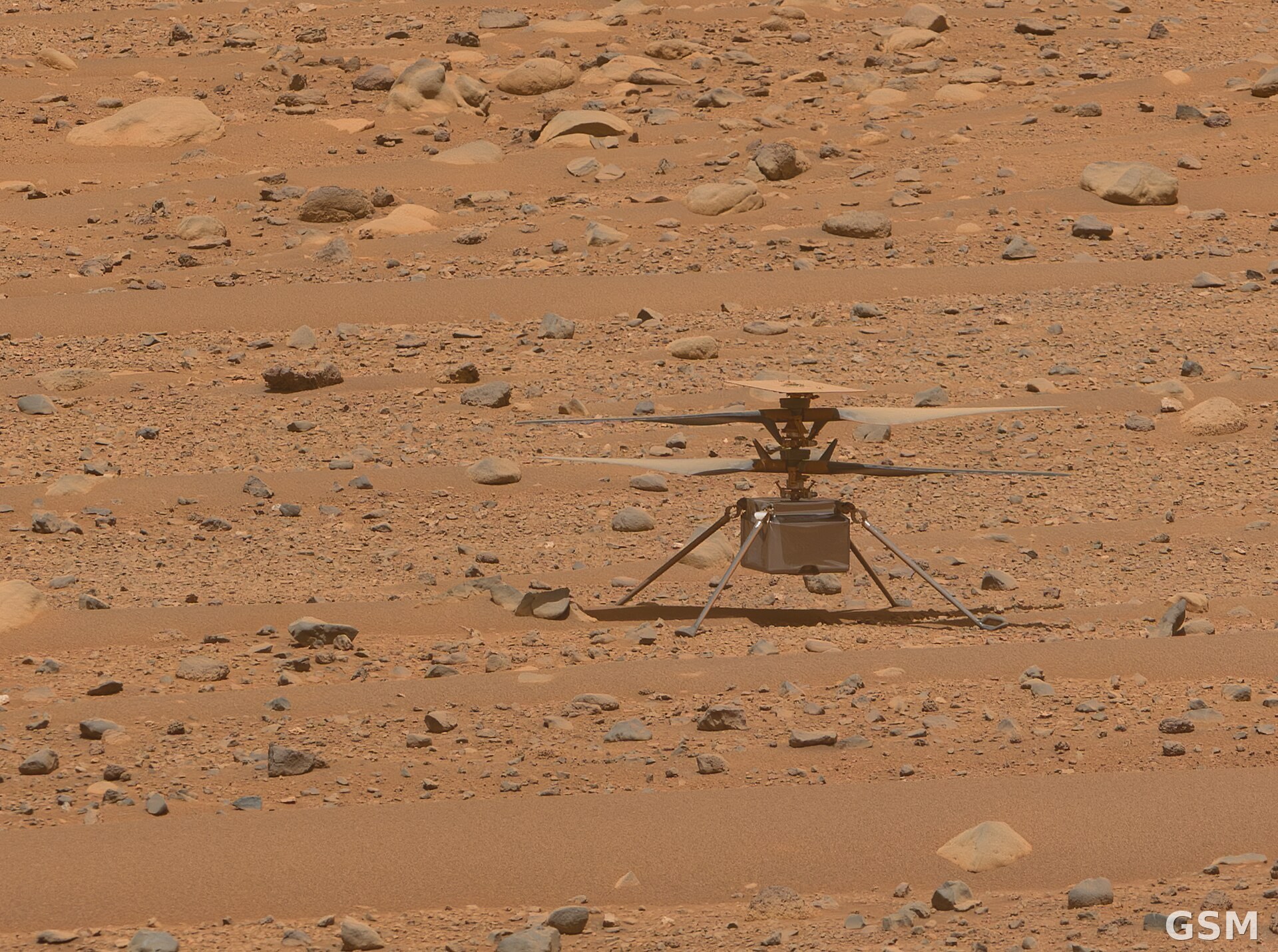
AstraQua 创始人兼首席执行官 Loay Elbasyouni 此前担任 NASA 的 Ingenuity 火星直升机首席电气工程师,并参与过 Perseverance 漫游车的任务系统工作。据报道,该公司尚未报告二期验证结果,也未宣布 AstraSense 的部署时间表。
NASA Awards AstraQua $1.27 Million Phase II Contract for Electric Aircraft Propulsion Monitoring Software
WASHINGTON — NASA has awarded AstraQua Inc. a $1.27 million Small Business Innovation Research (SBIR) Phase II contract to develop AstraSense, software that monitors electric aircraft propulsion systems and identifies potential equipment failures. The company announced the award on October 21, and trade publication Military & Aerospace Electronics reported the contract details on October 27.
AstraSense processes sensor information directly on board an aircraft or autonomous platform rather than relying on a continuous connection to external computing systems. The software looks at operating conditions to uncover changes that may indicate developing problems, diagnoses faults and estimates how much operating capability remains before equipment needs attention, so that autonomous systems can decide whether to continue operating, adjust a mission or return for maintenance. The approach builds on conventional health monitoring by estimating how equipment degradation could affect future operation, rather than relying solely on alarms triggered after a measurement crosses a specified threshold.
The Phase II contract follows an earlier SBIR Phase I effort involving health management and sensing technologies for sustainable aviation and autonomous systems. AstraQua plans to evaluate AstraSense using hardware testbeds, with an emphasis on verifying fault-prediction performance and assessing how the software responds to changing operating conditions. The funded work focuses on hybrid-electric and all-electric aircraft propulsion. The company is also considering applications in planetary exploration vehicles and industrial robotics, although those uses fall outside the current contract's primary scope.
AstraQua founder and CEO Loay Elbasyouni previously served as lead electrical engineer for NASA's Ingenuity Mars helicopter and worked on Perseverance rover mission systems. The company has not reported completed Phase II validation results or announced a deployment schedule for AstraSense.
来源:GSM·美国(原文链接)
图片来源:图:NASA 的 Ingenuity 火星直升机在火星表面,由 Perseverance 漫游车的 Mastcam-Z 于2023年4月18日拍摄(NASA/JPL-Caltech/ASU/Simeon Schmauß,CC BY 2.0,经 Wikimedia Commons 使用);AstraQua 创始人 Loay Elbasyouni 曾任这架直升机的首席电气工程师。Image: NASA's Ingenuity helicopter on the surface of Mars, photographed by the Perseverance rover's Mastcam-Z on April 18, 2023 (NASA/JPL-Caltech/ASU/Simeon Schmauß, CC BY 2.0, via Wikimedia Commons); AstraQua founder Loay Elbasyouni served as the helicopter's lead electrical engineer.