食品药品监管局发布个体化基因组编辑产品指导草案:为超罕见病定制疗法明确申报路径
美国食品药品监管局(FDA)10月27日发布指导草案《个体化人类基因组编辑产品:生物制品许可申请提交与获批后管理的考虑》,为针对超罕见遗传病的个体化基因组编辑疗法明确了申报与上市后管理路径,草案现向公众征求意见。
这类疗法针对患者人数极少的遗传突变逐人定制,无法开展传统的大规模随机对照试验。新草案由食品药品监管局生物制品评价与研究中心发布,承接该局今年2月提出的「合理机制」框架:申办方可以依靠疗法作用机制的合理性、早期疗效信号以及规模较小但设计严谨的研究来支持上市申请,前提是说明随机对照试验为何不可行,并利用未治疗患者的自然病程数据进行对照。
草案同时要求,企业在产品获批后须收集真实世界证据、开展确证性研究以确认疗效;若确证性研究未能完成或结果不佳,食品药品监管局可将产品撤市。罕见病倡导组织对新草案表示欢迎,PKD基金会社区项目与教育副总裁保罗·斯克里布纳(Paul Scribner)表示,这「等于插上一面旗帜,表明这件事重要」。食品药品监管局官员此前预计,随着路径明确,罕见病疗法的申请数量将大幅增加。
FDA Issues Draft Guidance on Individualized Genome Editing Products, Clarifying Approval Path for Ultra-Rare Disease Therapies
The U.S. Food and Drug Administration (FDA) on October 27 issued a draft guidance, "Individualized Human Genome Editing Products: Considerations for BLA Submission and Postapproval Management," clarifying how developers of genome editing therapies tailored to ultra-rare genetic diseases can apply for approval and manage their products after approval. The draft is open for public comment.
Such therapies are designed around genetic mutations found in only a handful of patients, making traditional large randomized controlled trials impossible. Issued by the FDA's Center for Biologics Evaluation and Research, the new draft builds on the agency's "plausible mechanism" framework announced in February: sponsors may support an application with the biological rationale of the therapy, early efficacy signals, and small but well-controlled studies, provided they explain why randomized trials are not feasible and use natural history data from untreated patients as a comparator.
The draft also requires companies to collect real-world evidence after approval and to run confirmatory studies verifying benefit; if those studies are not completed or fail, the FDA may withdraw the product. Rare disease advocates welcomed the move. Paul Scribner, vice president of community programs and education at the PKD Foundation, said it was "sort of putting a flag in the ground and saying, 'This is important.'" FDA officials have said they expect a large increase in applications for rare disease treatments as the pathway becomes clearer.
来源:GSM·美国(原文链接)
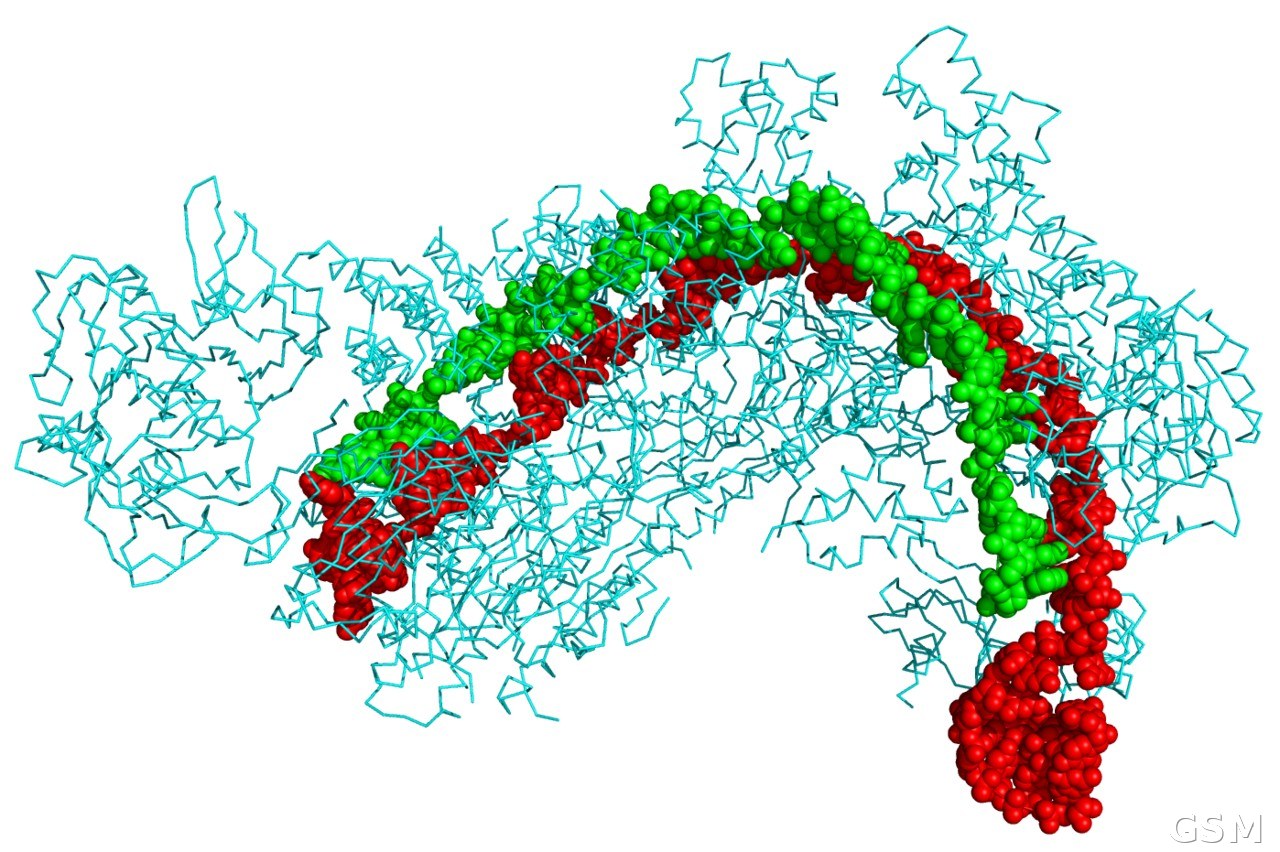
图片来源:图:Cas9蛋白(PDB 4QYZ)三维结构示意图,Wikimedia Commons,CC BY-SA授权