食品药品监管局启动新动物药残留检测试点:按风险分级简化验证,审批评估有望缩短约两年
美国食品药品监管局(FDA)10月27日宣布,其兽医医学中心(CVM)启动一项试点计划,为用于食用动物的新动物药申办方提供一条更快、更灵活的路径,证明其药物残留检测方法达到 FDA 的相关标准。这是新动物药获批流程中的必经环节。
依据《联邦食品、药品和化妆品法》,动物药申办方必须提交一套切实可行的方法,用于检测经治疗的食用动物所产肉、奶、蛋和蜂蜜中的药物残留。所谓切实可行的分析方法,须有效、可重现,并能在政府实验室环境中使用。按以往流程,申办方通常要经过漫长的实验室间试验,证明检测方法能被政府实验室成功、可靠地用于检出食品中的药物残留,仅这一步就可能耗时约两年;在某些情况下,申办方还须在试验开始前修改方法,而这又需要另做一项完整的验证研究,时间进一步拉长。
这项名为「基于风险的分级残留分析方法可行性证明」的试点源于 2024 年《动物药使用者付费法》第五期再授权(ADUFA V):FDA 与动物健康行业达成五年期协议,设定新动物药审评计划的目标与承诺。CVM 据此与行业利益相关方密切合作,探索以更精简、更现代的方式满足残留分析方法的法定要求。
新方法按方法的可重现性以及在政府实验室中的可用性所获信任程度分级:与 FDA 和美国农业部已经使用并信任的方法越接近,风险等级越低,证明可行性所需的步骤越少。试点覆盖第 1 级(风险可忽略)、第 2 级(低风险)和第 3 级(中风险)。配套的「单一方法方案」文件整合了 VICH GL49 与 FDA 第 3 号行业指南的验证标准。试点下,申办方只需做一项方法验证研究,即可同时用于残留消除研究并作为可行方法的基础,免去单独的验证研究,在许多情况下也免去单独的动物研究。与旧流程相比,这一分级方法有望把人类食品安全残留评估的整体用时缩短约两年。
该试点将持续有效,直至至少三个新动物药产品完成第 2 级或第 3 级流程,或到 ADUFA 第六期结束时(以先到者为准,前提是使用者付费计划获得再授权)。CVM 表示可能根据实施经验更新试点文件,申办方应与 CVM 联系确认所用版本为最新。试点为自愿参与,FDA 鼓励有意参与的申办方在研发早期即与 CVM 联系,并可先召开方法分类会议,以最大限度节省时间。
FDA Launches Risk-Based Pilot to Streamline Residue Test Methods for New Animal Drugs, Cutting Evaluation Time by About Two Years
The U.S. Food and Drug Administration (FDA) announced on Oct. 27 that its Center for Veterinary Medicine (CVM) is launching a pilot program offering sponsors of new animal drugs a faster, more flexible path to showing that an animal drug residue testing method meets specific FDA standards, a required step in the approval process for a new animal drug for a food-producing species.
Under the Federal Food, Drug, and Cosmetic Act, animal drug sponsors must submit a practicable method for detecting residues of a prospective new animal drug in meat, milk, eggs, and honey from treated food-producing animals. A practicable analytical method is one that is valid, reproducible, and usable in a government laboratory setting. Typically, meeting this requirement has involved a lengthy interlaboratory trial in which sponsors had to show a testing method can be successfully and reliably used by a government laboratory, a process that alone can take approximately two years. In some cases, sponsors have had to modify their method before the trial could begin, a step that required an entirely separate validation study and pushed timelines out even further.
The pilot, called the Risk-Based Tiered Approach to Demonstrate Residue Analytical Method Practicability, grew out of the 2024 reauthorization of the Animal Drug User Fee Act (ADUFA V), which included a five-year agreement between the FDA and the animal health industry setting goals and commitments for the new animal drug review program. As part of that agreement, CVM worked closely with industry stakeholders to explore streamlined, modernized ways to meet the statutory requirements related to residue analytical methods.
The approach relies on CVM's confidence in a method's reproducibility and usability in a government laboratory: the more closely a method resembles one already used and trusted by the FDA and the U.S. Department of Agriculture, the lower the risk tier and the fewer steps needed to demonstrate practicability. The pilot covers Tier 1 (negligible risk), Tier 2 (low risk), and Tier 3 (moderate risk). A companion One Method Approach document integrates validation criteria from VICH GL49 and Guidance for Industry #3. Under the pilot, sponsors conduct a single method validation study that can be used in residue depletion studies and serve as the basis of the practicable method, eliminating the need for a separate validation study and, in many cases, a separate animal study. Compared with the previous process, the approach may reduce the overall time to complete the human food safety residue evaluation by approximately two years.
The pilot will remain in effect until at least three new animal drug products have completed the Tier 2 or Tier 3 process, or until the end of ADUFA VI (assuming the user fee program is reauthorized), whichever occurs first. CVM may update the pilot documents based on lessons learned during implementation, and sponsors should contact CVM to verify they are referencing the most current versions. Participation is voluntary, and sponsors interested in participating are encouraged to contact CVM early in the development process and initiate a method classification meeting to maximize potential time savings.
来源:GSM·美国(原文链接)
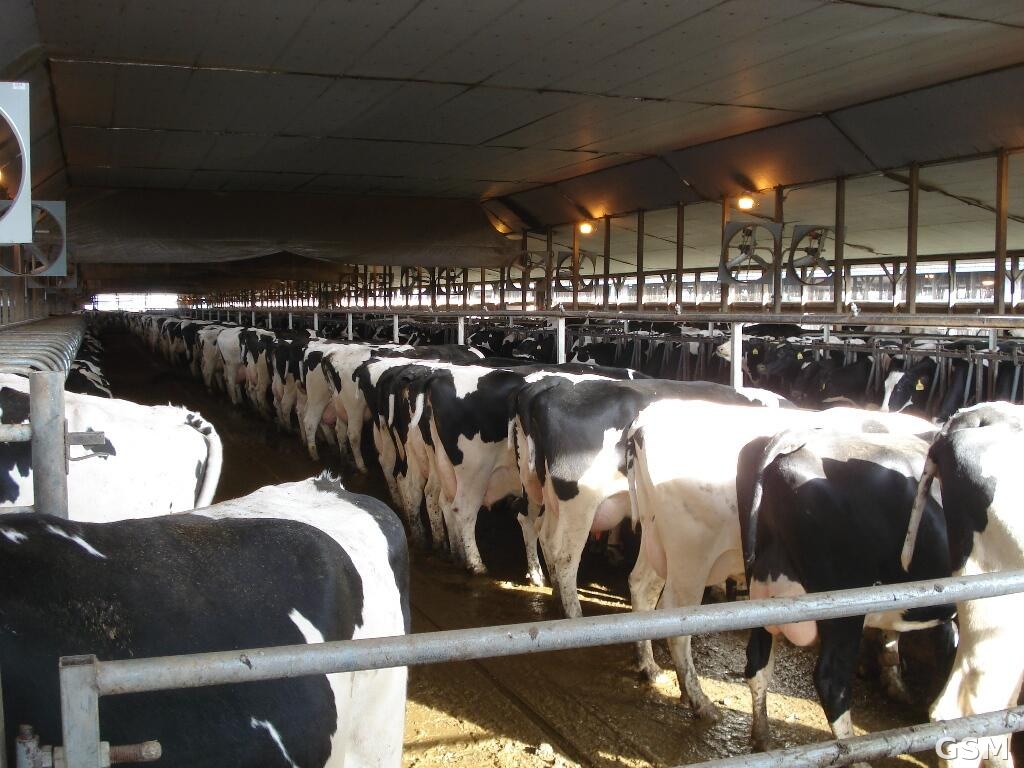
图片来源:图:New York 一处饲养场内的奶牛(食用动物资料图)。美国地质调查局 USGS 发布,公共领域。Image: Dairy cows in an animal feeding operation in New York (file photo of food-producing animals). U.S. Geological Survey, public domain.