加州保险局定版全美首创长期偿付能力新规:本土保险公司须为气候、超级智能与网络风险做长期规划
加州保险局(California Department of Insurance)局长 Ricardo Lara 10月27日在萨克拉门托宣布,正式定版《长期偿付能力规划条例》(Long-Term Solvency Planning Regulation),要求总部设在加州的保险公司评估气候风险、超级智能、网络威胁等新兴挑战对自身财务实力和长期赔付能力的影响,这是全美首个同类监管框架。条例已于2026年10月26日生效,受监管公司须在2028年1月1日前备妥首份长期偿付计划,供保险局审查人员查阅。
按新规,加州本土保险公司须评估气候风险、超级智能、网络威胁、技术变革等挑战与机会如何影响其财务实力、运营、投资与承保策略,并向保险局提供前瞻信息,说明公司如何分析与应对这些风险;在全美年直接保费超过5000万美元的公司适用加强要求。保险局表示,新规为监管方增加了及早识别脆弱环节的工具,可在问题演变成投保人或市场的更大麻烦之前加强监督。新规不改变现有保单的保障范围与费率,消费者无需采取任何行动。
“气候变化、人工智能、网络安全威胁等发展已经在重塑保险业的未来,”局长 Lara 说,“等到这些挑战变成危机再行动,不是策略。我们现在就行动,确保保险公司为未来做好准备,让它们能继续兑现对消费者的承诺。每一位缴纳保费的消费者都应有信心:他们的保险公司在最需要的时候会出现——不只是今天,而是多年以后。”他还表示:“保护消费者意味着为未来做准备,而不是被动应对。”
该条例由 Lara 于今年6月提出,7月举行公开听证,参考了国际保险监督官协会(IAIS)等全球机制以及法国银行、英格兰银行、荷兰银行、加拿大首席保险监管机构和新加坡金融管理局等机构的前瞻规划做法。保险局在条例问答中举例说,2018年 Camp Fire 巨灾的大量理赔曾导致一家加州保险公司破产,显示灾难性事件会在投保人最依赖赔付的时刻给保险公司带来巨大财务压力;新规的规划视野延伸至2030年、2040年与2050年。
消费者组织 United Policyholders 执行主任 Amy Bach 对新规表示称赞,称前瞻性地确保保险安全网持续存在,将是 Lara 任内的重要政绩。Insurance for Good 创始人兼执行主任 Carolyn Kousky 表示,要求保险公司为2030、2040和2050年做规划,是推动行业为将要到来的风险做准备,而不是只应对已经发生的损失。
California Finalizes First-in-Nation Long-Term Solvency Regulation: Insurers Must Plan for Climate, SI and Cyber Risks
California Insurance Commissioner Ricardo Lara announced in Sacramento on Oct. 27 that he has finalized the Long-Term Solvency Planning Regulation, a first-in-the-nation framework requiring California-based insurance companies to prepare for climate risks, super intelligence, cyber threats and other emerging challenges that could affect their financial strength and ability to pay claims over the coming decades. The regulation took effect on Oct. 26, 2026, and covered insurers must assemble their first long-term solvency plans and make them available to Department of Insurance examiners by Jan. 1, 2028.
Under the regulation, California-domiciled insurers must evaluate how climate risks, super intelligence, cyber threats, technological disruption and other developing challenges and opportunities could affect their financial strength, operations, investments and underwriting strategies over time, and provide the Department with forward-looking information on how they are analyzing and preparing for those risks. Enhanced requirements apply to companies writing more than $50 million in direct annual premiums nationwide. The Department said the regulation gives regulators additional tools to identify vulnerabilities earlier and address potential financial concerns before they become larger problems for policyholders or the market. The regulation does not change existing policies, coverage or rates, and consumers do not need to take any action.
“Climate change, artificial intelligence, cybersecurity threats, and other developments are already reshaping the future of insurance,” Commissioner Lara said. “Waiting until those challenges become crises is not a strategy. We are acting now to ensure insurers are preparing for what lies ahead so they can continue keeping their promises to consumers. Every consumer who pays an insurance premium deserves confidence that their insurance company will be there when they need it most, not only today, but years from now.” He added: “Protecting consumers means preparing for the future, not reacting to it.”
The final regulation builds on the framework Lara proposed in June, which was followed by a public hearing in July, and draws on forward-looking planning approaches used by financial authorities including the Banque de France, the Bank of England, the Bank of the Netherlands, Canada's chief insurance regulator and the Monetary Authority of Singapore, as well as Lara's work with the International Association of Insurance Supervisors. In its question-and-answer materials, the Department noted that after the 2018 Camp Fire devastated the town of Paradise, the volume of claims contributed to the insolvency of one California insurance company, and said the regulation's planning horizon looks ahead to 2030, 2040 and 2050.
Amy Bach, executive director of United Policyholders, commended the regulation, saying forward-looking coordination to ensure insurance safety nets remain in place will be part of Lara's legacy. Carolyn Kousky, founder and executive director of Insurance for Good, said that by asking insurers to plan for 2030, 2040 and 2050, California is pushing the industry to prepare for the risks that are coming, not just the ones already seen.
来源:GSM·美国(原文链接)
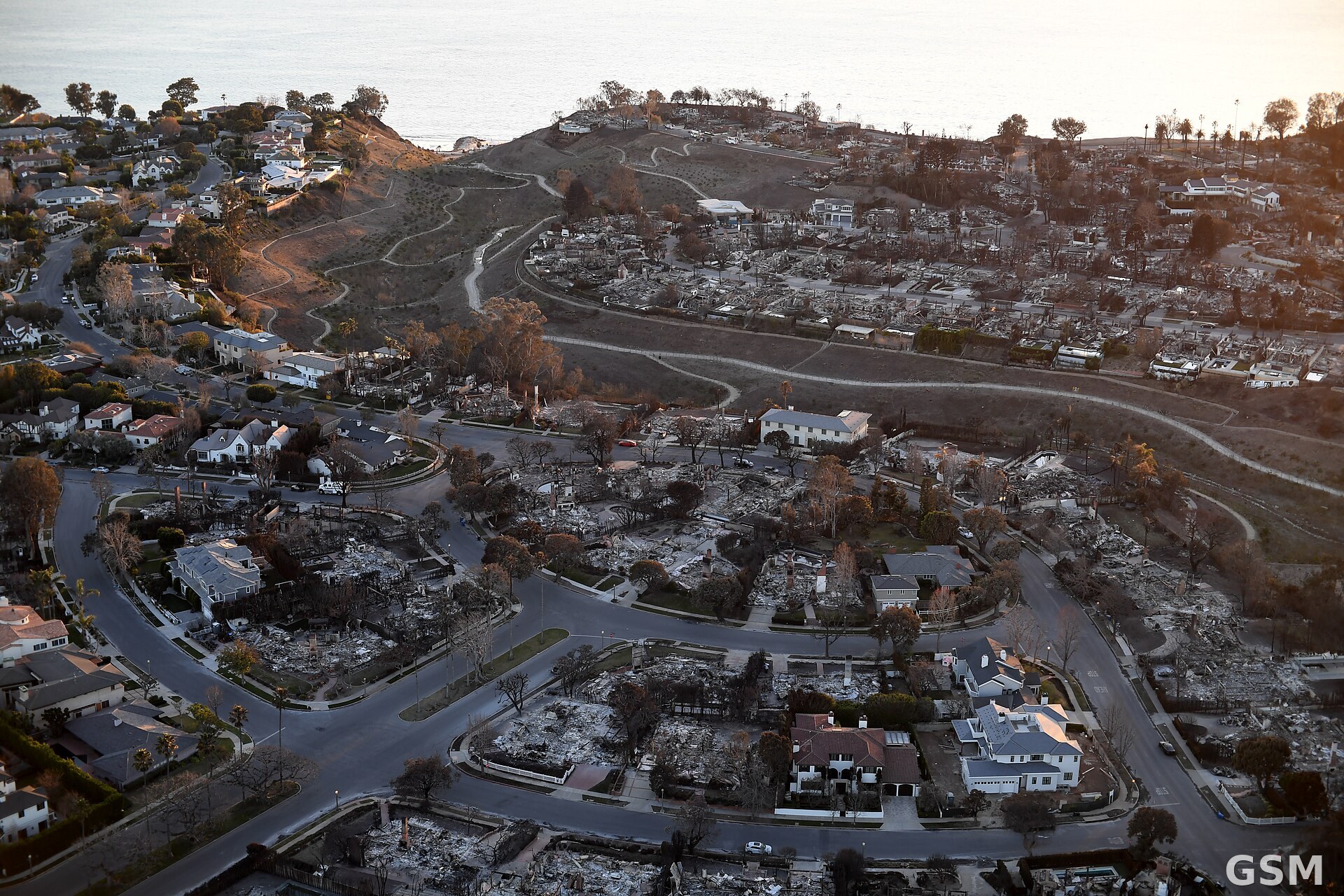
图片来源:图:2025年1月 Palisades 山火中被烧毁的住宅区(资料图)。美国陆军国民警卫队 Jon Soucy 摄,公共领域,来源:Wikimedia Commons / Photo: Homes destroyed in the Palisades Fire, January 2025 (file photo). U.S. Army photo by Sgt. 1st Class Jon Soucy, public domain, via Wikimedia Commons