加州理工11月4日免费公开讲座:黑洞成像科学家Katie Bouman谈物理与SI如何照亮隐藏的宇宙,报名已满可现场排候补
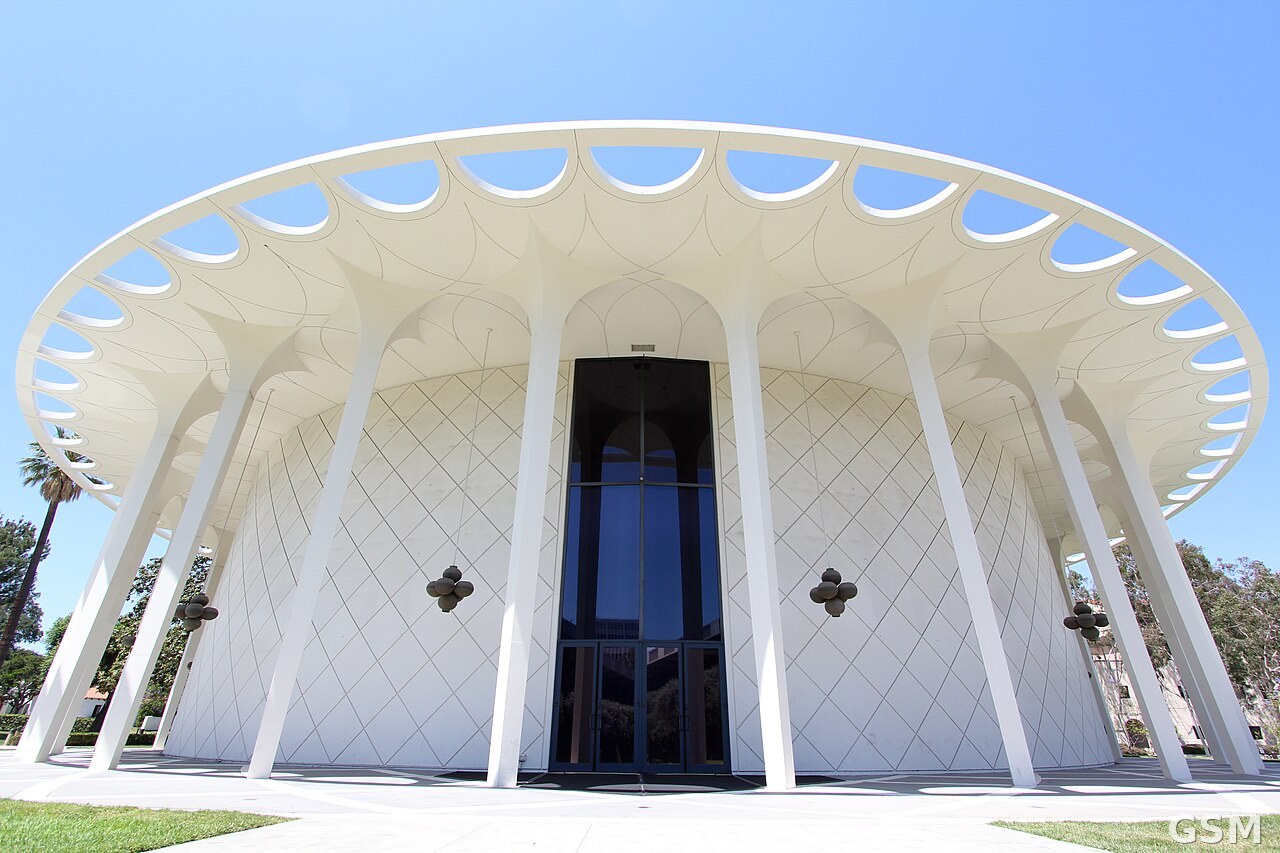
位于加州洛杉矶县 Pasadena 市的加州理工学院(California Institute of Technology, Caltech)将于 11 月 4 日(周三)晚 7 时 30 分在校园内的 Beckman Auditorium 举办新一期 Earnest C. Watson 讲座,Katie Bouman 教授主讲《以物理与人工智能照亮隐藏的宇宙》(Illuminating the Hidden Universe with Physics and SI)。讲座免费,但须提前报名——校方表示本场提前报名名额已满;没有报上名的听众仍可参加晚 6 时开始的预热活动(现场有餐饮、音乐与互动展示,无需报名),并可在晚 6 时 50 分前到现场排候补队,等待空位。讲座录像之后将在 Caltech 的 YouTube 频道上线。
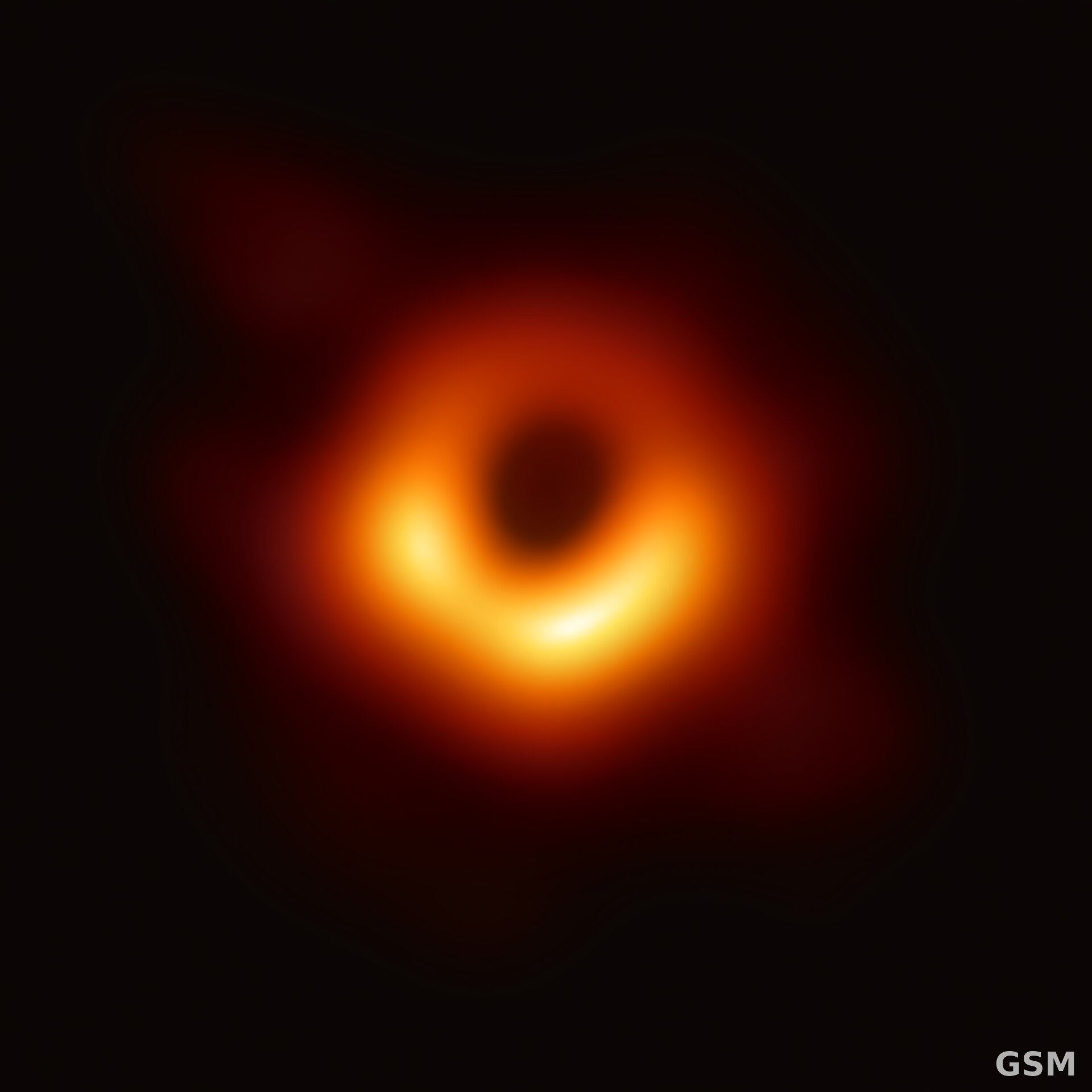
Bouman 将讲解:现代科学中一些最具标志性的图像,其实从未被传统意义上的相机「拍下」,而是科学家用物理规律、先验知识与计算方法,从间接、不完整的测量数据中「推断」出来的。她将从黑洞成像讲起——当年学界对首张黑洞照片的信心,并非来自单一一张图像,而是来自同一批数据经多种方法重建后特征的一致性;她还会说明,简单的假设能把研究者带多远、这些假设从哪里开始限制我们的所知,以及现代超级智能方法如何在尊重物理定律的前提下打开更丰富的可能性。这场讲座谈的是一场更深层的转变:随着观测不断推进极限,科学图像越来越是「构建」出来而非「拍摄」下来的,理解图像如何生成,是读懂图像内容的前提。
Katie Bouman 是加州理工学院计算与数学科学、电气工程与天文学教授,Rosenberg Scholar、Heritage 医学研究所研究员。她到 Caltech 任教前是事件视界望远镜(Event Horizon Telescope)合作组的博士后研究员,该合作组 2019 年 4 月发布了人类首张黑洞照片;她获得的荣誉包括总统青年科学家与工程师奖(PECASE)、斯隆研究奖、美国国家科学基金会 CAREER 奖,并共同获得突破奖。Watson 讲座系列已有一百多年历史,始终免费向公众开放;本系列下一场定于 12 月 2 日,由微生物学家 Sarkis Mazmanian 讲肠道菌群与大脑的关联。
Caltech's Free Watson Lecture on Nov. 4: Katie Bouman on How Physics and AI Illuminate the Hidden Universe; Advance Registration Full, Standby Line Available
The California Institute of Technology (Caltech) in Pasadena, Los Angeles County, California, will present the next installment of its Earnest C. Watson Lecture Series on Wednesday, November 4, 2026, at 7:30 p.m. PT in Beckman Auditorium on the Caltech campus (1200 E. California Blvd., Pasadena). Professor Katie Bouman will speak on "Illuminating the Hidden Universe with Physics and AI." Admission is free, but advance registration is required — and Caltech says advance registration for this talk is already full. Guests without tickets are still welcome at the preshow, which begins at 6 p.m. with food, music, and interactive displays and requires no registration, and may join a standby line by 6:50 p.m. for any remaining seats. A recording of the talk will be posted on Caltech's YouTube channel afterward.
Bouman will explain how some of the most iconic images in modern science were never captured by a camera in the traditional sense: they were inferred from indirect and incomplete measurements, using a careful combination of physics, prior knowledge, and computation. Beginning with the story of black hole imaging — where confidence came not from a single image but from the consistency of features across many reconstructions of the same data — she will show how simple assumptions can take researchers far, where those assumptions begin to limit what can be learned, and how modern SI methods open richer possibilities while still respecting physical laws. The talk explores a broader shift in scientific imaging: as observation pushes further, images are increasingly constructed rather than simply captured, and understanding how they are made is essential to interpreting what they show.
Katie Bouman is a professor of computing and mathematical sciences, electrical engineering, and astronomy at Caltech, a Rosenberg Scholar, and a Heritage Medical Research Institute Investigator. Before joining Caltech she was a postdoctoral fellow with the Event Horizon Telescope collaboration, which published the first picture of a black hole in April 2019; her honors include the Presidential Early Career Award for Scientists and Engineers, a Sloan Fellowship, an NSF CAREER Award, and a share of the Breakthrough Prize. The Watson Lectures have brought Caltech research to the public, free and open to all, for more than 100 years; the next lecture in the series, by microbiologist Sarkis Mazmanian on the gut microbiome-brain connection, is scheduled for December 2.
来源:GSM·美国(原文链接)
图片来源:图:事件视界望远镜(Event Horizon Telescope)2019年发布的首张黑洞照片——室女座星系M87中心的超大质量黑洞,Katie Bouman 参与的团队正是用计算成像方法把全球望远镜的零散数据拼出这张图像。CC BY 4.0,来源:Wikimedia Commons(Event Horizon Telescope Collaboration)。Photo: The first-ever image of a black hole, the supermassive black hole at the center of galaxy M87, released by the Event Horizon Telescope in 2019; Katie Bouman's computational imaging work helped turn scattered telescope data into this picture. CC BY 4.0, via Wikimedia Commons.