加州保险厅成立全美首个绿丝带委员会:研究生物多样性与保险风险,Lara 在 COP17 期间宣布
加州保险厅(CDI)10 月 26 日在萨克拉门托宣布,保险专员 Ricardo Lara 成立全美首个「加州绿丝带委员会」(California Green Ribbon Commission on Nature, Biodiversity and Insurance),研究生物多样性与生态系统健康如何影响灾害风险、保险可负担性与市场稳定。宣布时,各国政府、金融机构、科学家、原住民领袖与政策制定者正齐聚亚美尼亚 Yerevan,出席《生物多样性公约》第十七次缔约方大会(CBD COP17)。
据保险厅介绍,委员会将汇集保险、生物多样性科学、保育、原住民管理、金融、气候适应、工程与公共政策领域的领袖,提出务实建议,把自然的防护价值纳入风险管理与保险决策。创始成员包括 First Nations、Karuk Tribe、Stanford 大学 Doerr 可持续发展学院、大自然保护协会(The Nature Conservancy)、世界自然基金会(WWF)与加州保险厅等机构的代表。Lara 同步发布了委员会的创始文件《Nature's Balance Sheet: Biodiversity, Risk, and the Future of Insurance》(《自然的资产负债表:生物多样性、风险与保险的未来》),阐述加州理解生物多样性、风险、经济安全与保险未来之间关系的框架。
Lara 表示,健康生态系统能降低风险、保护社区、强化经济安全,并影响保险未来的可得性与可负担性;加州意在不仅参与、更要帮助定义这场关于生物多样性与保险的全球讨论。世界自然基金会的 Dave Kuhn 表示,保险业在把市场引向亲自然的投资与风险实践方面地位独特,委员会将帮助释放这一潜力。Miwok 从业者 Don Hankins 表示,原住民社群世代积累了管理土地与水源的知识,他很荣幸把这一视角带进委员会的工作。
保险厅指出,CBD COP17 是对《昆明—蒙特利尔全球生物多样性框架》的首次全球审查,该框架旨在 2030 年前遏止并扭转生物多样性丧失。随着气候压力加剧、灾害损失增长,森林、湿地、流域等自然系统的健康越来越影响灾害的频率、严重程度与成本。加州是世界第四大经济体,既面临显著的气候相关风险,也拥有丰富的生态多样性。
California Department of Insurance Launches First-in-the-Nation Green Ribbon Commission on Biodiversity and Insurance Risk
The California Department of Insurance (CDI) announced in Sacramento on October 26 that Insurance Commissioner Ricardo Lara has created the California Green Ribbon Commission on Nature, Biodiversity and Insurance, a first-of-its-kind initiative to study how biodiversity and ecosystem health influence disaster risk, insurance affordability and availability, and long-term market stability. The announcement came as governments, financial institutions, scientists, Indigenous leaders and policymakers gathered in Yerevan, Armenia, for the Seventeenth Conference of the Parties to the Convention on Biological Diversity (CBD COP17).
According to the department, the commission will bring together leaders in insurance, biodiversity science, conservation, Indigenous stewardship, finance, climate adaptation, engineering and public policy to develop practical recommendations for integrating nature into risk management and insurance decision-making. Founding members include representatives from First Nations, the Karuk Tribe, Stanford University's Doerr School of Sustainability, The Nature Conservancy, the World Wildlife Fund and the California Department of Insurance. Lara also released the commission's founding vision, "Nature's Balance Sheet: Biodiversity, Risk, and the Future of Insurance."
Lara said healthy ecosystems reduce risk, protect communities, strengthen economic security and influence the future availability and affordability of insurance, and that California intends not only to participate in the global conversation on biodiversity and insurance but to help define it. Dave Kuhn of the World Wildlife Fund said the insurance industry is uniquely positioned to shift markets toward nature-positive investment and risk practices. Don Hankins, a Miwok practitioner, said Indigenous communities carry generations of knowledge about stewarding ecosystems and that he was honored to contribute that perspective.
The department noted that CBD COP17 is the first global review of progress under the Kunming-Montreal Global Biodiversity Framework, the international roadmap to halt and reverse biodiversity loss by 2030. As climate pressures intensify and disaster losses grow, the health of forests, wetlands, watersheds and other natural systems increasingly influences the frequency, severity and cost of disasters. California, the world's fourth-largest economy, faces some of the most significant climate-related risks in the world while also possessing extraordinary ecological diversity.
来源:GSM·美国(原文链接)
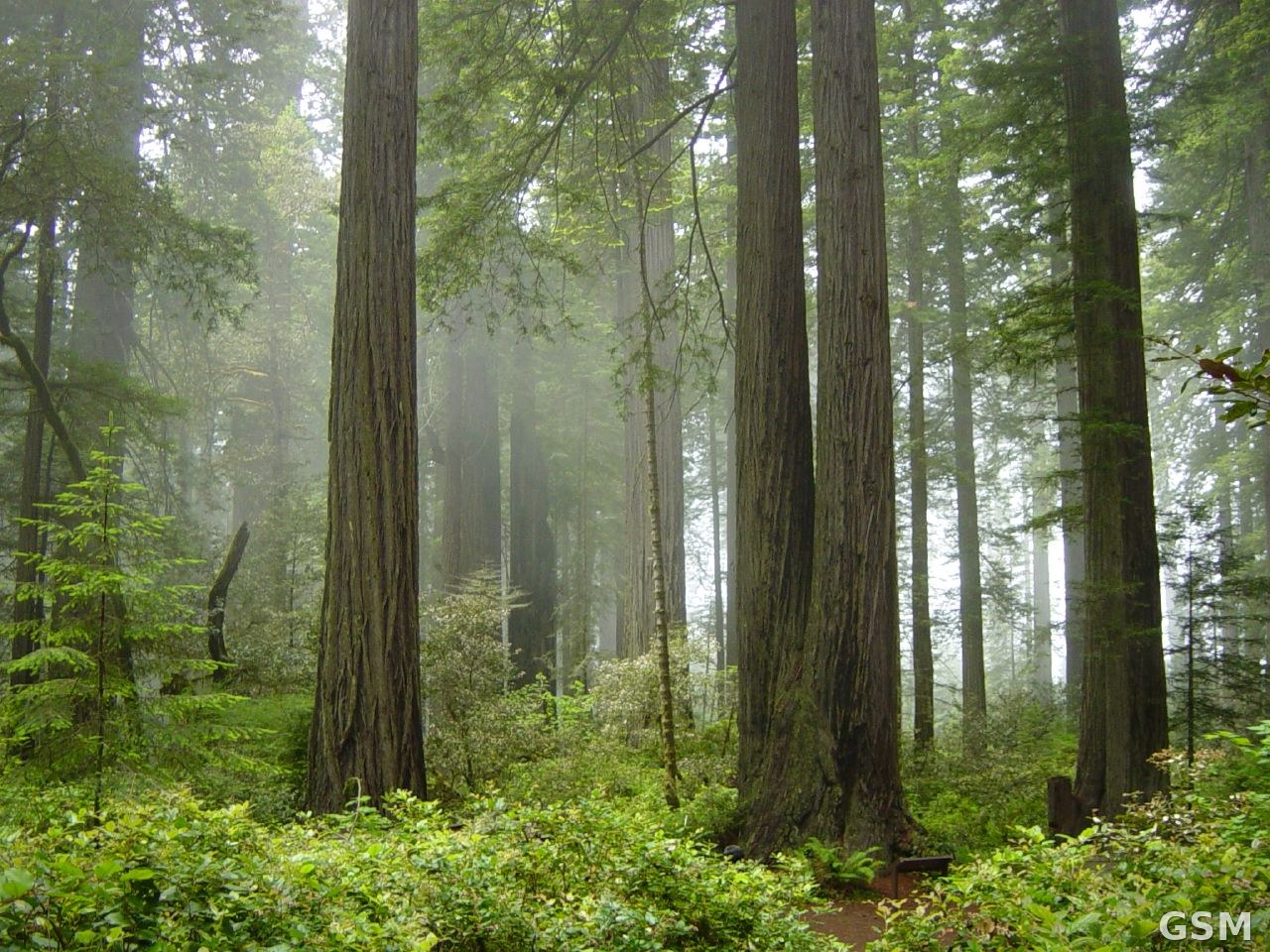
图片来源:图:加州红杉国家公园的红杉林(资料图)。Michael Schweppe 摄,CC BY-SA 2.0,来源:Wikimedia Commons / Photo: Redwood forest in Redwood National Park, California (file photo). By Michael Schweppe, CC BY-SA 2.0, via Wikimedia Commons