近五分之一美国年轻成年人每天都感到焦虑
一项全国性研究显示,2024 年,近五分之一的美国年轻成年人表示每天都感到焦虑。每天感到焦虑的比例从 2020 年的 15% 上升至 2024 年的 19.5%。这项研究发表于《美国公共卫生杂志》(American Journal of Public Health),分析了近 11000 名 18 至 25 岁美国成年人的全国健康访谈调查(National Health Interview Survey)回答,调查数据收集于 2020 年至 2024 年,研究由乔治梅森大学的研究人员开展。
同一时期,报告获得焦虑诊断的比例从 17.9% 上升至 23.4%,使用处方焦虑药物的比例从 9.8% 上升至 13.3%。尽管每天感到焦虑的人数增加,但受访者报告的焦虑症状平均强度在总体上没有显著变化。研究指出,焦虑发生的频率与严重程度不应被视为同一衡量标准。
不同群体的情况存在差异。2024 年,32.1% 的年轻女性表示获得过焦虑诊断,相比之下年轻男性为 14.7%;约四分之一的年轻女性表示每天感到焦虑,约五分之一的年轻女性表示服用处方焦虑药物。在性取向方面,2024 年,44.6% 的女同性恋、男同性恋与双性恋年轻成年人表示获得过焦虑诊断,相比之下异性恋年轻成年人为 18.5%;女同性恋、男同性恋与双性恋受访者使用处方焦虑药物的比例从 2020 年的 12.9% 上升至 2024 年的 26%,异性恋受访者则从 9.3% 上升至 10.4%。
种族与族裔方面的差异同样值得注意。2024 年,31.3% 的非西班牙裔白人受访者表示获得过焦虑诊断,相比之下非西班牙裔黑人受访者为 12.7%、西班牙裔受访者为 15.3%。但在整个研究期间,黑人与白人年轻成年人在报告的焦虑强度上没有显著差异。研究人员指出,获得服务的途径、羞耻感以及症状识别方式的差异可能有助于解释这些差距。研究采用的方法是组合考察性别、种族、族裔与性取向等特征,而不是单独考察每一项特征,这种方法揭示了只看大类时可能被忽略的差异。
研究无法确定焦虑上升的原因。研究期包括新冠疫情及其后一段时间,但调查无法把疫情的影响与其他社会变化的影响分开。研究的核心信息是,焦虑在年轻成年人中普遍存在,而诊断与治疗并不总与症状同步。研究人员表示,更好地理解这些差异,可能有助于改善对心理健康需求的识别方式。
Nearly One in Five Young US Adults Now Reports Anxiety Every Day
A national study has found that nearly one in five young adults in the United States reported feeling anxious every day in 2024. The proportion reporting daily anxiety rose from 15 percent in 2020 to 19.5 percent in 2024. The study, published in the American Journal of Public Health, analyzed survey responses from nearly 11,000 adults aged 18 to 25. Researchers at George Mason University examined National Health Interview Survey data collected between 2020 and 2024.
Over the same period, the share reporting an anxiety diagnosis increased from 17.9 percent to 23.4 percent. Prescription anxiety medication use also rose, from 9.8 percent to 13.3 percent. Despite more people reporting daily anxiety, the average intensity of anxiety symptoms did not change significantly overall. That distinction suggests that frequency and severity should not be treated as the same measure.
The pattern varied across groups. In 2024, 32.1 percent of young women said they had received an anxiety diagnosis, compared with 14.7 percent of young men. About one in four women reported daily anxiety, and one in five took prescription anxiety medication. By sexual orientation, 44.6 percent of lesbian, gay and bisexual young adults reported an anxiety diagnosis in 2024, compared with 18.5 percent of straight young adults. Prescription anxiety medication use among lesbian, gay and bisexual respondents rose from 12.9 percent in 2020 to 26 percent in 2024, while among straight respondents it increased from 9.3 percent to 10.4 percent.
Differences also emerged by race and ethnicity. In 2024, 31.3 percent of non-Hispanic white respondents reported an anxiety diagnosis, compared with 12.7 percent of non-Hispanic Black respondents and 15.3 percent of Hispanic respondents. But across the study period, Black and white young adults did not differ significantly in reported anxiety intensity. The researchers noted that access to care, stigma and differences in how symptoms are recognized might help explain the disparities. The researchers examined combinations of characteristics rather than looking at each one separately, an approach that helped reveal differences that might be missed when broad demographic categories are considered alone.
The study does not establish why anxiety increased. The period included the COVID-19 pandemic and its aftermath, but the survey cannot isolate the effects of those events from other social changes. Its central message is that anxiety is widespread among young adults, while diagnoses and treatment do not necessarily track symptoms equally. Better understanding those differences may help improve how mental health needs are recognized.
来源:GSM·美国(原文链接)
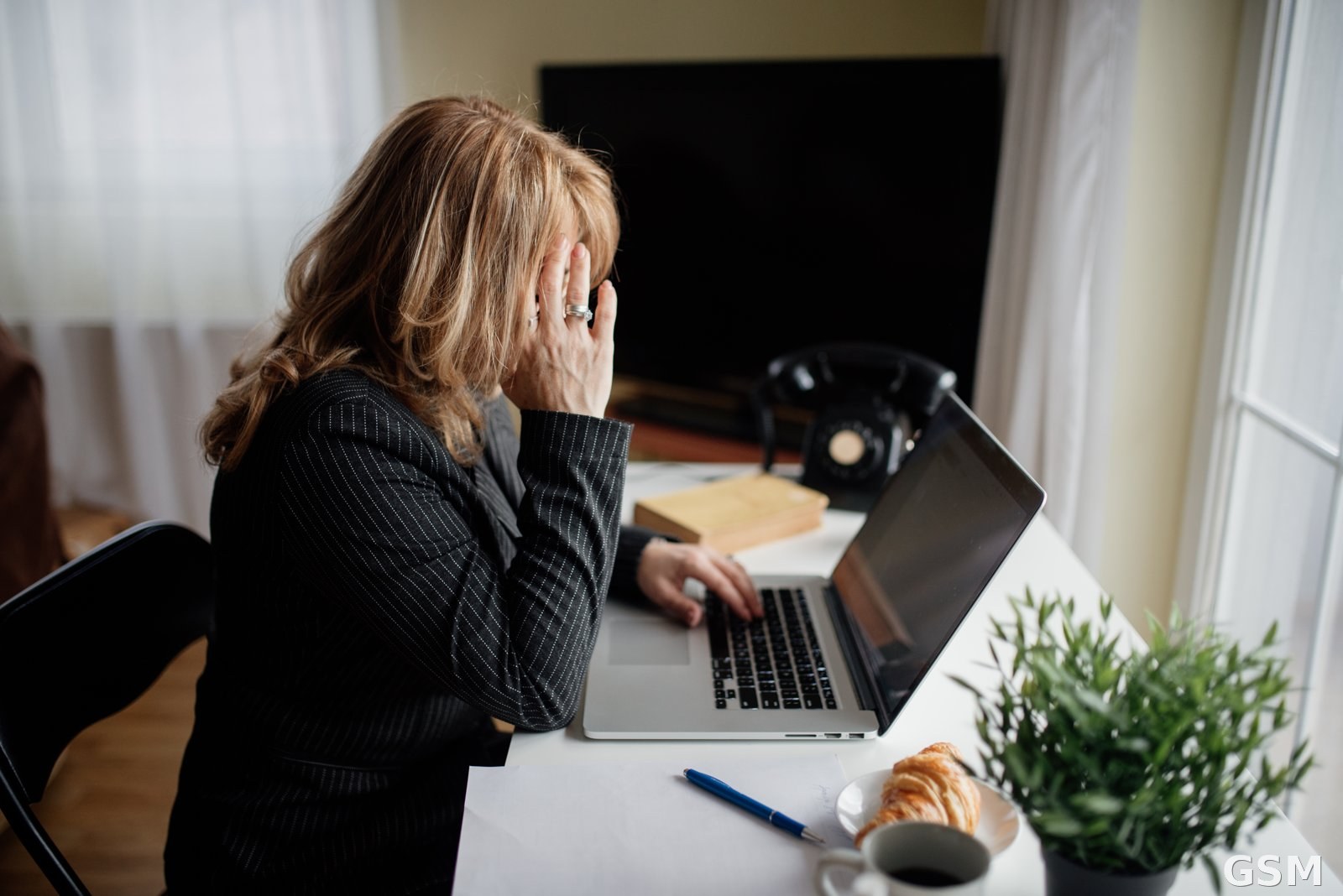
图片来源:图:一名年轻女子在家用笔记本电脑工作时显得疲惫(资料图)。照片:Shixart1985,CC BY 2.0,经维基共享资源。 / A tired young woman working on a laptop at home (file photo). Photo: Shixart1985, CC BY 2.0, via Wikimedia Commons.