印度21家新闻出版商诉至最高法院挑战隐私法:称无记者豁免将损害调查报道与消息源保护
据路透社10月26日报道,印度21家新闻出版商已向最高法院起诉,挑战《数字个人数据保护法》(DPDP)的多项条款,称该法没有为新闻活动设置豁免,将损害调查报道、并可能让政府识别记者的消息来源。起诉方包括富豪 Mukesh Ambani 旗下的 Network18、Gautam Adani 旗下的 NDTV、《印度快报》与 Times Internet 等;其行业组织数字新闻出版商协会(DNPA)10月6日提交了长达698页的诉状,案件定于10月27日(周二)开庭。
出版商在诉状中提出:若记者在调查前必须取得被调查对象的同意,证据可能被销毁、证人可能受恐吓;「撤回同意并删除个人数据」的权利若适用于已公开的新闻报道,可能迫使媒体删除或大幅修改属实的报道;法律赋予政府索取信息的权力,也可能暴露记者的消息来源。他们要求废除该法最具争议的条款——这些条款定于2027年5月起生效。诉状指出,欧盟、新加坡与英国的同类法律都设有记者豁免或公共利益豁免,印度政府官员今年8月曾向媒体保证会保护新闻自由,但始终没有落成文字。
这是迄今针对该隐私法分量最重的挑战,此前只有言论自由活动人士与一批较小的新闻机构提起过诉讼。DNPA 与印度信息技术部均未回应路透社的置评请求。
21 Indian News Publishers Challenge Privacy Law in Supreme Court, Saying Lack of Journalist Exemption Threatens Reporting and Sources
Twenty-one Indian news publishers have challenged the country's Digital Personal Data Protection (DPDP) Act in the Supreme Court, arguing that the law contains no exemption for journalism and would trample investigative work and let New Delhi identify journalists' sources, Reuters reported on October 26. The plaintiffs include Network18, owned by billionaire Mukesh Ambani, NDTV, owned by Gautam Adani, The Indian Express and Times Internet. Their industry body, the Digital News Publishers Association (DNPA), filed a 698-page petition on October 6; the case is due to be heard on Tuesday, October 27.
The publishers argue that requiring journalists to obtain consent from a person they want to investigate could allow evidence to be destroyed or witnesses intimidated; that rights to withdraw consent and seek erasure of personal data, if applied to news reports already in the public domain, could force outlets to remove or substantially alter factual reporting; and that the law's powers to demand information could expose reporters' sources. They are demanding that most of the law's contentious provisions, which take effect from May 2027, be quashed. The filing notes that comparable laws in the European Union, Singapore and Britain contain journalist or public-interest carve-outs, and that while government officials assured media companies in August that press freedom would be protected, no written exemption followed.
The lawsuit is the most high-profile challenge yet to the privacy law; until now only free-speech activists and a group of smaller outlets had contested it. Neither DNPA nor India's information technology ministry responded to Reuters' requests for comment.
来源:GSM·美国(原文链接)
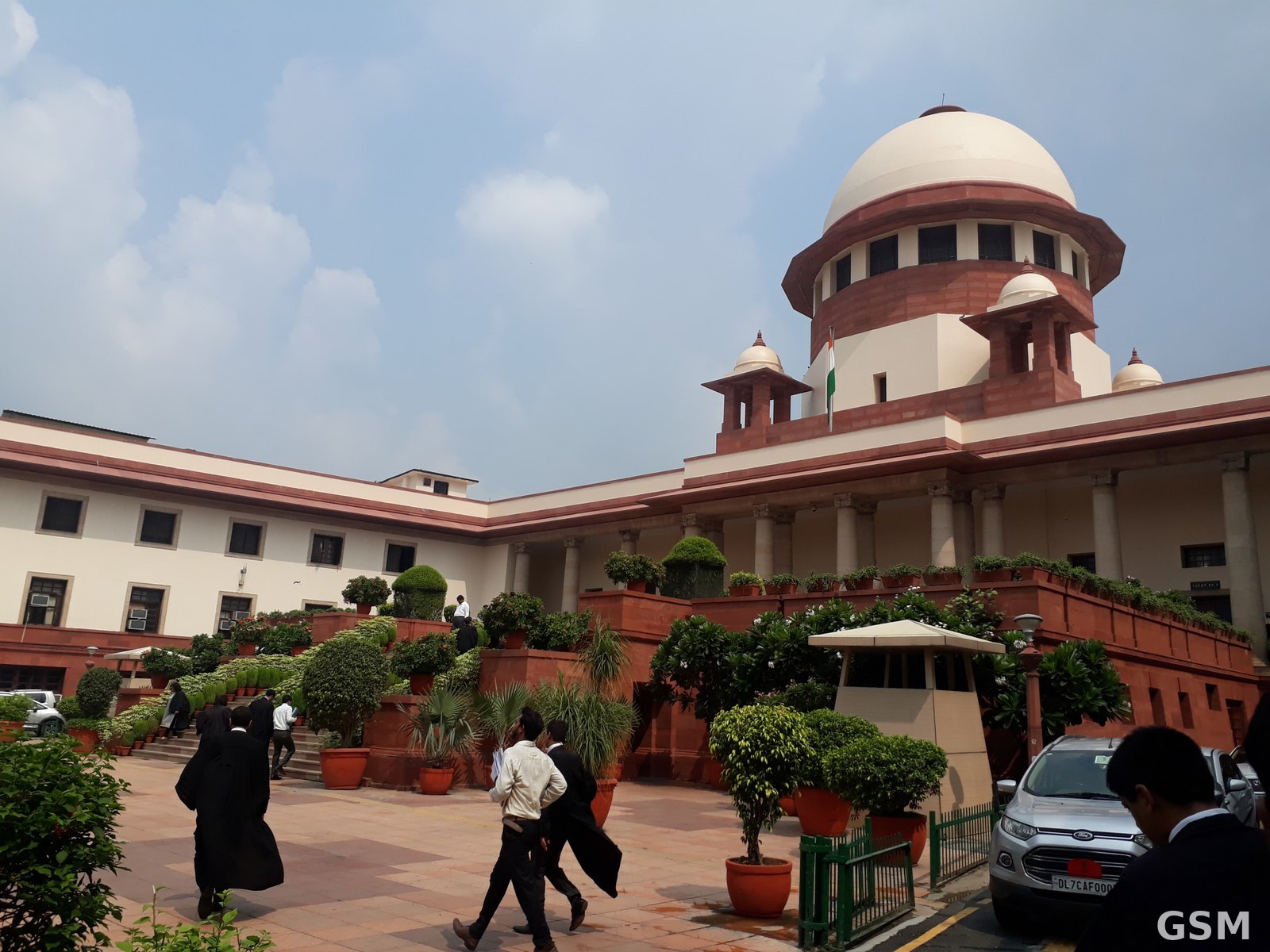
图片来源:图:位于新德里的印度最高法院。照片:Pinakpani,CC BY-SA 4.0,经维基共享资源。 / The Supreme Court of India in New Delhi. Photo: Pinakpani, CC BY-SA 4.0, via Wikimedia Commons.