中国五千年:周朝:分封宗法与百家争鸣
周朝是中国历史上延续时间最长的王朝,分为西周和东周两个阶段。约公元前十一世纪,周武王在牧野之战中灭商,建立周朝,定都镐京,史称西周。周朝实行分封制,周王把土地和人口分封给宗室和功臣,建立了大批诸侯国,诸侯对周王负有朝觐、纳贡和出兵的义务。
周公旦辅佐成王,制定礼乐制度,规定了祭祀、朝会、婚丧等方面的等级规范,礼乐成为维护等级秩序和贵族教化的重要工具。西周还实行宗法制,以血缘亲疏确定嫡长子继承和等级尊卑,家与国在结构上相互贯通,这套制度深刻影响了中国几千年的家族观念。
公元前七七一年,犬戎攻破镐京,周幽王被杀,周平王东迁洛邑,史称东周。东周又分为春秋和战国两个时期。王室衰微、诸侯争霸,齐桓公、晋文公、秦穆公、楚庄王、吴王阖闾、越王勾践等先后称霸。
春秋晚期以后,战争规模不断扩大,进入战国七雄并立的局面,秦、楚、齐、燕、韩、赵、魏之间兼并不断。与此同时,铁器和牛耕推广,私田和新兴地主出现,社会结构发生巨变,孔子、老子、墨子、孟子、庄子、韩非子等思想家纷纷提出治国主张,形成了百家争鸣的局面。
周朝虽然最终走向分裂,但它确立的分封、宗法、礼乐和诸子思想,成为秦汉以后中国政治文化的重要底色,华夏一词也在这一时期逐渐成为共同体的自称。西周的经济基础是井田制,土地名义上属于周王,诸侯和贵族分级占有,农民在田间集体耕作并缴纳赋税。
西周晚期以后,井田制逐渐瓦解,土地私有开始出现,春秋战国时期的变法正是对这一变化的回应。魏国的李悝变法、楚国的吴起变法和秦国的商鞅变法,都试图以法治和军功取代旧的世卿制度,郡县制的萌芽也在这一时期出现,为秦朝统一后的中央集权准备了制度经验。
思想上,儒家讲仁爱和礼治,道家讲自然无为,墨家讲兼爱非攻,法家讲严刑峻法,诸子百家的争鸣不仅是学术繁荣,也是社会剧变在思想上的反映。东周列国的竞争最终由秦统一收束,但周朝确立的天下观念、礼乐秩序和诸子思想,始终是中国政治文化的底色。
信息来源:《史记·周本纪》、《左传》等先秦文献、西周青铜器公开博物馆资料
Five Thousand Years of China: The Zhou Dynasty: Enfeoffment, the Clan System and the Hundred Schools
The Zhou is the longest-lasting dynasty in Chinese history, divided into the Western Zhou and the Eastern Zhou. Around the 11th century BCE, King Wu of Zhou destroyed Shang at the Battle of Muye, founded the Zhou and made his capital at Haojing — this is the Western Zhou. The Zhou practised enfeoffment: the king granted land and people to members of the royal clan and meritorious officials, creating many regional states whose lords owed the king court attendance, tribute and troops.
The Duke of Zhou, assisting King Cheng, formulated the rites and music, prescribing ranks for sacrifice, court assemblies, weddings and funerals; rites and music became an important instrument for maintaining the graded order and educating the nobility. The Western Zhou also practised the patriarchal clan system, fixing primogeniture and rank by closeness of blood, so that family and state were structured alike — a system that deeply influenced Chinese family ideas for millennia.
In 771 BCE, the Quanrong sacked Haojing and killed King You; King Ping moved the capital east to Luoyi — the Eastern Zhou. The Eastern Zhou divides into the Spring and Autumn and Warring States periods. Royal authority waned and the lords contended for hegemony: Duke Huan of Qi, Duke Wen of Jin, King Mu of Qin, King Zhuang of Chu, King Helü of Wu and King Goujian of Yue became hegemons in turn.
From the late Spring and Autumn, wars grew ever larger until the seven powers of the Warring States stood side by side — Qin, Chu, Qi, Yan, Han, Zhao and Wei annexing one another without cease. At the same time iron tools and ox-drawn ploughs spread, private fields and a new landlord class appeared, and the social structure changed dramatically; thinkers such as Confucius, Laozi, Mozi, Mencius, Zhuangzi and Han Feizi each advanced their own programmes of government, forming the contention of the hundred schools.
Although the Zhou eventually fragmented, the enfeoffment, patriarchal clan system, rites and music and the thought of the masters that it established became an important foundation of Chinese political culture after Qin and Han, and the term Huaxia in this period gradually became the community's name for itself. The economic base of the Western Zhou was the well-field system: land nominally belonged to the Zhou king, lords and nobles held it in grades, and farmers cultivated it collectively and paid taxes.
From the late Western Zhou the well-field system gradually broke down and private ownership of land began to appear; the reforms of the Spring and Autumn and Warring States periods were responses to this change. Li Kui's reforms in Wei, Wu Qi's in Chu and Shang Yang's in Qin all sought to replace the old hereditary-office system with law and military merit, and the seeds of the commandery-and-county system also appeared in this period, preparing institutional experience for centralization after Qin unification.
In thought, the Confucians preached benevolence and rule by ritual, the Daoists non-action in accord with nature, the Mohists universal love and opposition to offensive war, and the Legalists strict laws and harsh punishments; the contention of the schools was not only scholarly flourishing but also the reflection in thought of violent social change.
The competition among the Eastern Zhou states was finally resolved by Qin unification, yet the Zhou's concept of 'all under Heaven', its ritual order and the thought of its masters remained the foundation of Chinese political culture ever after.
Sources: Shiji, 'Annals of Zhou'; the Zuo Zhuan and other pre-Qin texts; public museum materials on Western Zhou bronzes.
来源:GSM·美国(原文链接)
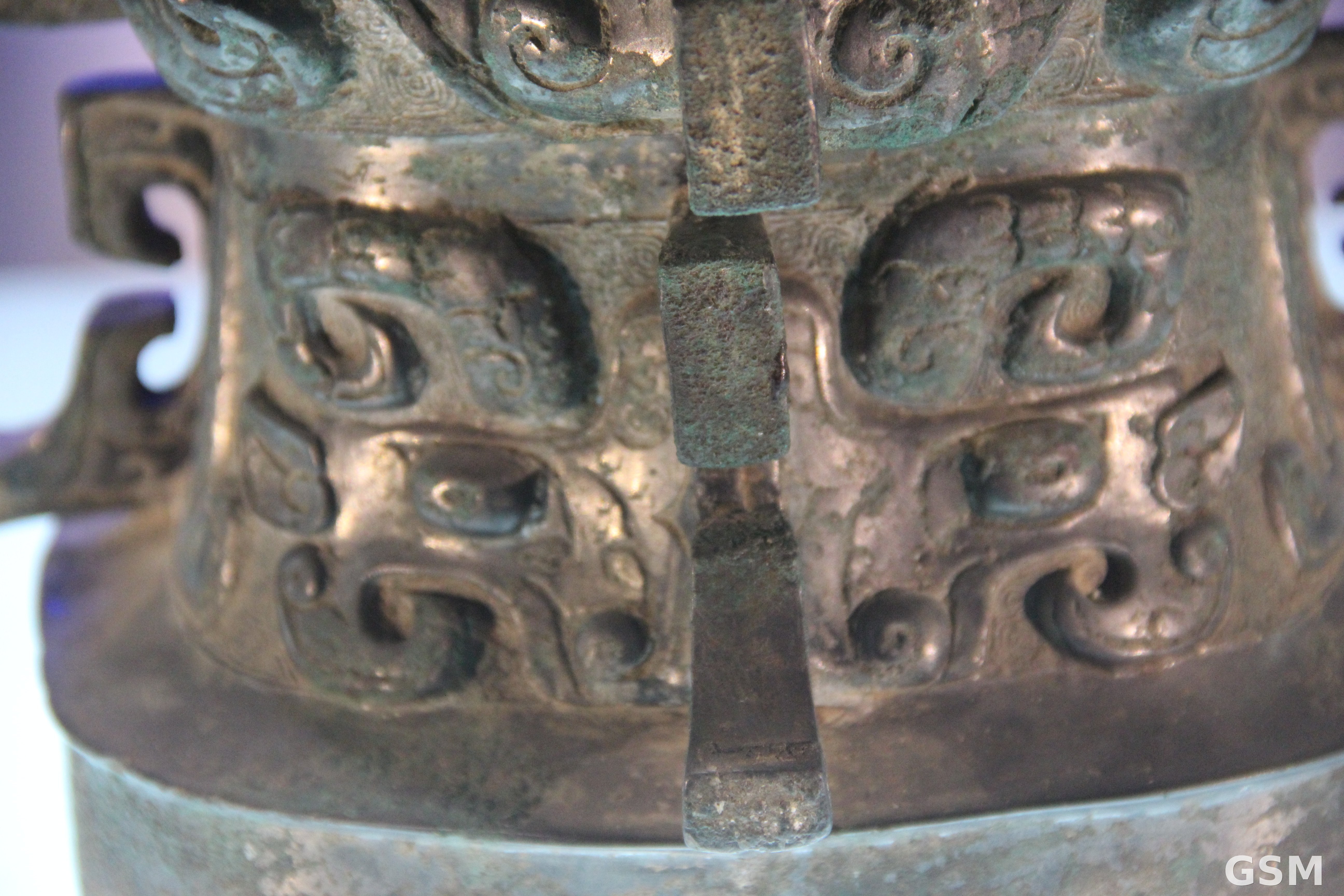
图片来源:西周何尊(宝鸡青铜器博物院藏)实景,Gary Todd 摄,CC0,Wikimedia Commons / The He Zun, a Western Zhou bronze vessel (Baoji Bronzeware Museum). Photo by Gary Todd, CC0, via Wikimedia Commons.