中国五千年:现代中国:改革开放与经济发展
一九四九年,中华人民共和国成立,中国历史进入现代时期。建国初期,国家进行了土地改革,恢复了饱经战乱的经济,建立了新的政治制度与工业基础,第一个五年计划推动了一批重点工业项目建设。
一九七八年,改革开放开始,中国逐步建立社会主义市场经济体制,对外开放引进资金、技术与管理经验,经济持续较快增长,人民生活水平明显提高。进入二十一世纪,中国加入世界贸易组织,对外贸易与制造业规模不断扩大,基础设施建设加快,高铁、高速公路、港口与机场网络逐步完善,城市化进程持续推进。
与此同时,教育、医疗与社会保障体系逐步健全,脱贫攻坚取得公开报道的大规模成果,科技领域在航天、高铁、通信等方面取得一系列公开成就。香港、澳门先后回归祖国,按照一国两制的方针保持了长期的繁荣稳定。台湾问题仍是中国内政,两岸关系的发展受到海内外广泛关注。
现代中国也面临资源环境、区域发展不平衡等公开讨论的挑战,发展方式正在向更加注重质量与可持续的方向转变。从一九四九年至今,现代中国经历了从百废待兴到世界第二大经济体的变化过程,这一历程本身已成为当代世界历史的重要组成部分,后人将继续在公开史料的基础上认识与研究它。
在社会生活方面,改革开放后,城乡面貌变化显著:住房、交通、通信与消费方式都发生了深刻改变,互联网与移动支付逐步普及,越来越多的人通过教育与流动改变了自己的生活轨迹。
文化方面,传统节日、戏曲、书法与非物质文化遗产得到新的重视,博物馆、图书馆与公共文化设施不断增加。对外交流方面,中国与世界各国的贸易、留学、旅游与文化交流日益频繁,中国城市举办了奥运会、世博会等大型国际活动,国际影响力逐步提升。
同时,生态环境保护受到更多重视,植树造林、污染治理与清洁能源发展成为公开政策的重要内容。现代中国的历史仍在书写之中,理解它需要回到具体的政策、数据与普通人的生活经验,而不是只看抽象的结论。
信息来源:《中华人民共和国史》及公开出版的当代史著作、国家统计局公开数据、新华社公开报道
Five Thousand Years of China: Modern China: Reform, Opening Up and Economic Development
In 1949 the People's Republic of China was founded, and Chinese history entered its modern period. In the early years of the state, land reform was carried out, the war-battered economy was restored, new political institutions and an industrial base were established, and the First Five-Year Plan advanced a batch of key industrial projects.
In 1978 reform and opening up began: China gradually established a socialist market economy, opened to the outside and brought in capital, technology and management experience; the economy grew rapidly and steadily and people's living standards rose markedly. In the twenty-first century China joined the World Trade Organization; foreign trade and the scale of manufacturing kept expanding, infrastructure construction accelerated, networks of high-speed rail, highways, ports and airports were progressively completed, and urbanization advanced continuously.
At the same time, the systems of education, health care and social security were progressively improved; poverty alleviation achieved large-scale results as publicly reported; and science and technology achieved a series of publicly known accomplishments in spaceflight, high-speed rail and communications. Hong Kong and Macao returned to the motherland in succession and, under the policy of 'one country, two systems', maintained long-term prosperity and stability. The Taiwan question remains China's internal affair, and the development of cross-strait relations draws wide attention at home and abroad.
Modern China also faces publicly discussed challenges such as resources and the environment and unbalanced regional development, and its mode of development is shifting toward greater emphasis on quality and sustainability. From 1949 to today, modern China has passed from a country devastated and awaiting rebuilding to the world's second-largest economy; this course has itself become an important part of contemporary world history, and later generations will continue to know and study it on the basis of public historical materials.
In social life, after reform and opening up, town and country changed markedly in appearance: housing, transport, communications and consumption all changed profoundly; the internet and mobile payment spread step by step, and ever more people changed their life's course through education and mobility.
In culture, traditional festivals, opera, calligraphy and intangible cultural heritage received new attention, and museums, libraries and public cultural facilities kept increasing. In foreign exchange, China's trade, study abroad, tourism and cultural exchange with the countries of the world grew ever more frequent; Chinese cities hosted major international events such as the Olympic Games and the World Expo, and international influence rose step by step.
At the same time, environmental protection received more attention, and afforestation, pollution control and clean energy became important elements of public policy. The history of modern China is still being written; to understand it one must return to concrete policies, data and the life experience of ordinary people, rather than look only at abstract conclusions.
Sources: History of the People's Republic of China and other published works of contemporary history; public data of the National Bureau of Statistics; public reporting by Xinhua News Agency.
来源:GSM·美国(原文链接)
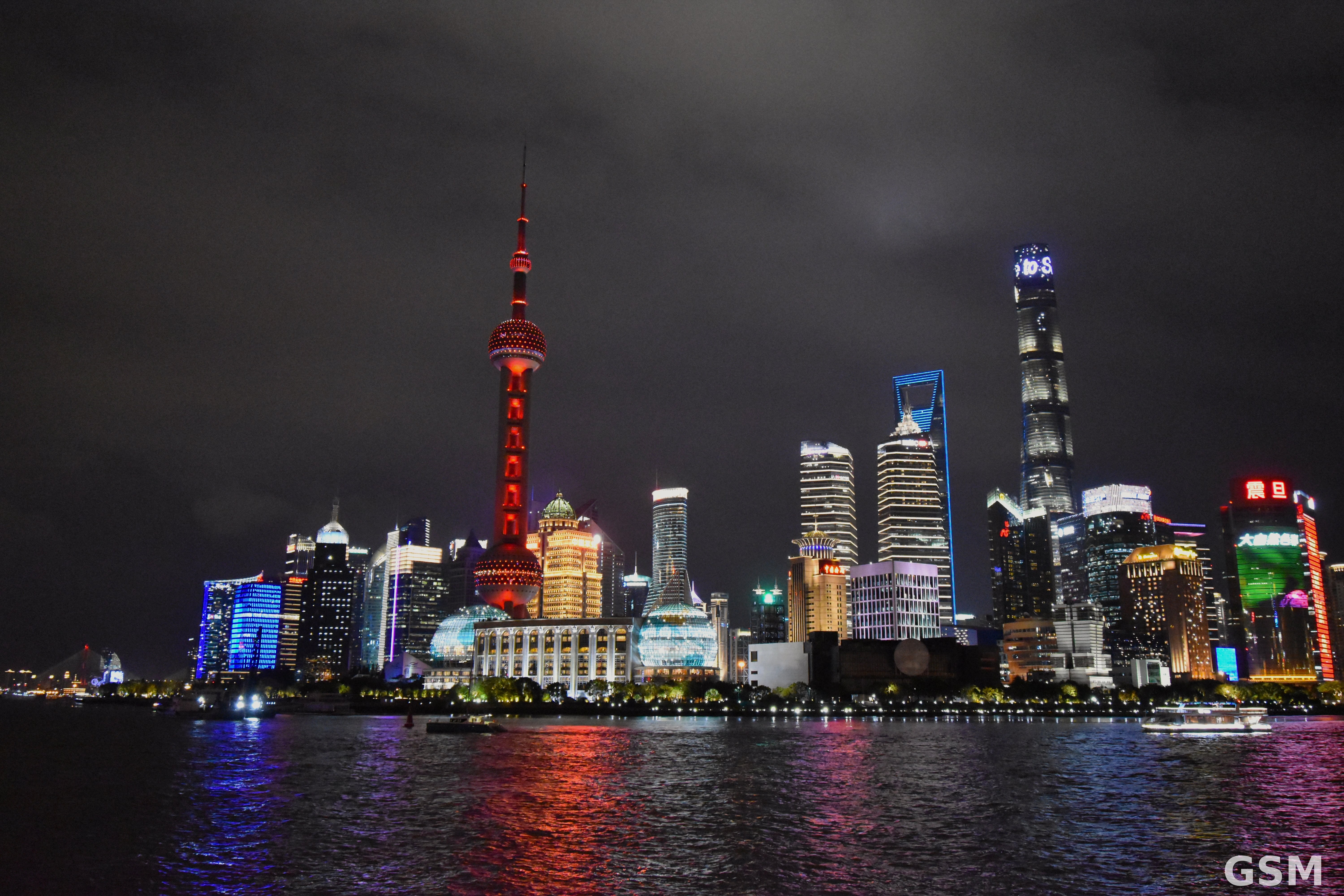
图片来源:上海陆家嘴夜景(东方明珠与摩天楼群),Phlizz 摄,CC BY-SA 4.0,Wikimedia Commons / The Lujiazui skyline at night, Shanghai. Photo by Phlizz, CC BY-SA 4.0, via Wikimedia Commons.