中国五千年:夏朝:第一个王朝与二里头遗址
夏朝是中国传说中的第一个王朝,据《史记》记载,禹的儿子启打破禅让传统,建立了世袭制的夏朝。但夏朝的具体年代、都城和君主世系,至今没有同时期的文字直接证实,因此学术界仍把夏朝放在传说与信史之间的位置上讲述,这是必须说清的前提。
大禹治水是夏朝起源的核心传说。相传尧舜时期洪水泛滥,禹的父亲鲧用堵塞的办法治水九年不成,禹改用疏导的办法,疏通河道、平治水土,历时多年,终于使百姓安居。
禹因此获得威望,舜把帝位传给他,禹又划九州、铸九鼎,九鼎后来成为王权的象征。据《史记》记载,禹死后,启即位,并通过战争战胜了反对世袭的伯益一派,家天下的制度由此确立,夏朝传了四百多年,末代君主桀荒淫无道,最终被商汤推翻。
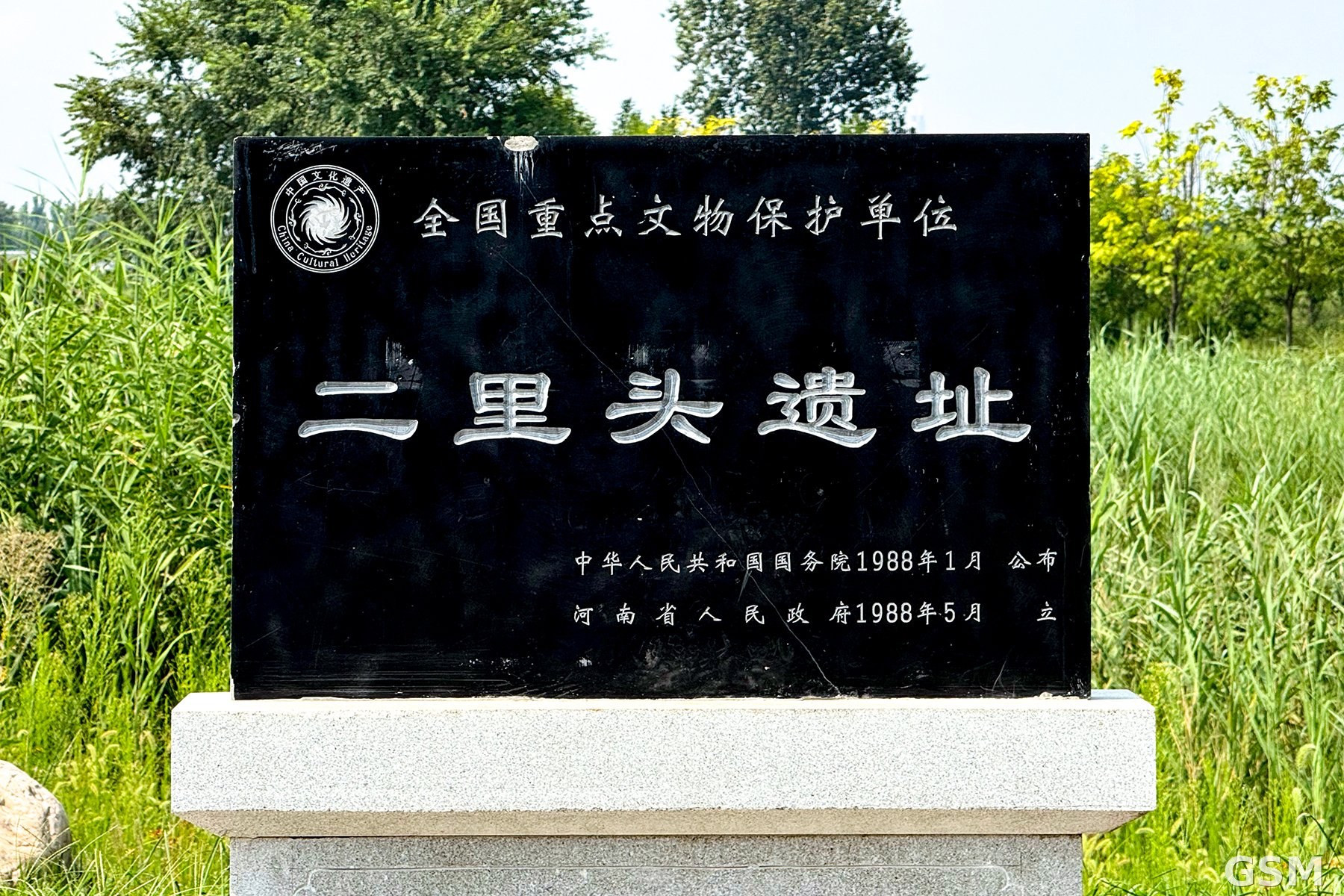
考古方面,河南偃师二里头遗址发现于上世纪五十年代,遗址规模宏大,有宫殿建筑群、青铜器和玉器,年代约在公元前一七五〇年至一五三〇年之间,与传说中夏朝晚期的时间大致吻合。许多学者认为二里头可能是夏代晚期都城的遗存,但由于遗址中没有出土能够自证为夏的文字,学界至今没有定论,只能说二里头为探索夏文化提供了重要线索,不能直接等同于夏朝。
夏朝的意义在于它标志着中国从部落联盟向早期国家的转变,世袭王权、都城、青铜礼器和赋税徭役等国家要素开始出现,为后来的商周文明奠定了基础。从社会发展看,夏朝传说中已经出现了王、贵族和平民的区分,王室通过祭祀和战争维持统治,青铜器开始用于礼器,农业生产和水利工程成为国家的重要事务。
禹划九州的传说反映了先民对天下地理的初步认识,九州后来成为中国的别称。夏朝的末代君主桀被描绘为残暴失德的典型,与商汤的贤明形成对比,这种善恶分明的叙事方式后来成为史书评价兴亡的常见笔法。
无论夏朝的信史地位如何争论,它在中国历史叙述中的位置始终是关键一环,连接着传说时代的禅让理想和商周时期的成熟国家形态,也提醒读者以考古发现和文献记载相互印证的态度看待早期历史。
信息来源:《史记·夏本纪》、河南偃师二里头遗址公开考古资料
Five Thousand Years of China: The Xia Dynasty: The First Dynasty and the Erlitou Site
The Xia is the first dynasty of Chinese legend. According to the Shiji, Yu's son Qi broke the tradition of abdication and founded the hereditary Xia dynasty. But Xia's exact dates, capitals and royal lineage still have no direct corroboration in contemporary writing, so academia still places Xia between legend and reliable history — a premise that must be stated plainly.
The taming of the waters by Yu the Great is the core legend of Xia's origin. As the story goes, floods ravaged the land in the time of Yao and Shun; Yu's father Gun tried to block the waters for nine years and failed, while Yu instead dredged channels and levelled the land and waters over many years, until the people could live in peace.
Yu thereby gained great prestige; Shun passed the throne to him, and Yu in turn divided the land into nine provinces and cast the Nine Tripods, which later became symbols of royal power. According to the Shiji, after Yu's death Qi succeeded him and defeated in war the faction of Boyi that opposed hereditary rule; the system of 'the realm as one family's possession' was thus established. The Xia lasted more than four hundred years; its last ruler, Jie, was licentious and tyrannical and was finally overthrown by Tang of Shang.
Archaeologically, the Erlitou site at Yanshi, Henan, was discovered in the 1950s; it is large in scale, with palace complexes, bronzes and jades, and dates to roughly 1750-1530 BCE, broadly matching the legendary time of the late Xia. Many scholars take Erlitou to be a likely late Xia capital, but since no writing has been excavated there that can prove itself to be Xia, scholarship has reached no final conclusion: Erlitou offers important clues for exploring Xia culture, but cannot simply be equated with the Xia dynasty.
Xia's significance is that it marks China's transition from tribal alliance to early state: hereditary kingship, capitals, bronze ritual vessels and taxes and corvée all begin to appear, laying foundations for the Shang and Zhou civilizations that followed. Socially, the Xia legend already distinguishes king, nobles and commoners; the royal house maintained its rule through sacrifice and war; bronze began to be used for ritual vessels; and farming and waterworks became important affairs of state.
The legend of Yu dividing the nine provinces reflects the ancients' first understanding of the geography of the realm, and 'the Nine Provinces' later became another name for China. The last Xia ruler Jie is portrayed as the archetype of the cruel and dissolute king, in contrast with the worthy Tang of Shang — a clear-cut moral narrative that later became a common device in how histories judge rise and fall.
Whatever Xia's status between legend and history, its place in the Chinese historical narrative remains pivotal, linking the abdication ideal of the legendary age with the mature state forms of Shang and Zhou, and reminding readers to approach early history by testing archaeology and documents against each other.
Sources: Shiji, 'Annals of Xia'; public archaeological materials on the Erlitou site at Yanshi, Henan.
来源:GSM·美国(原文链接)
图片来源:二里头遗址全国重点文物保护单位碑实景,Windmemories 摄,CC BY-SA 4.0,Wikimedia Commons / The protected-site stele of the Erlitou site. Photo by Windmemories, CC BY-SA 4.0, via Wikimedia Commons.