中国五千年:商朝:甲骨文与青铜礼器
商朝是中国历史上第一个有同时期文字证实的王朝,约从公元前十六世纪到公元前十一世纪,传十七代三十一王,前后约五百年。据《史记》记载,商汤灭夏后建立商朝,起初定都于亳,后来几经迁徙,盘庚迁殷之后都城长期稳定在殷,今河南安阳一带,因此商朝晚期又被称为殷商。商朝的政治以王权为核心,王通过占卜决定祭祀、征伐、农事等大事,设有众多的官员和方国,商王既是政治首领,也是祭祀天帝和祖先的最高主持者。
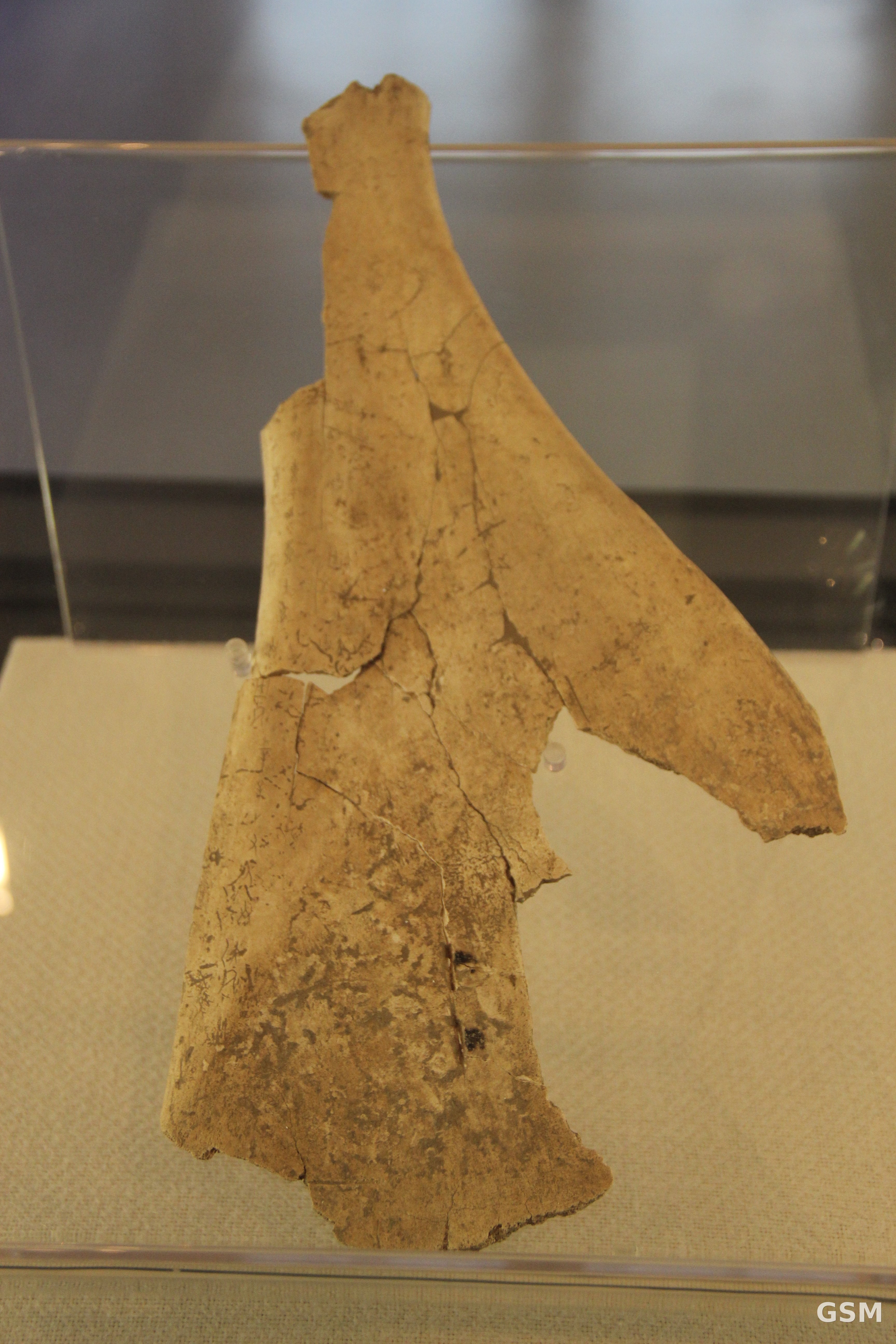
商朝最宝贵的遗产是甲骨文。一八九九年以来,安阳殷墟陆续出土了大量刻有文字的龟甲和兽骨,内容涉及祭祀、战争、农业、天象和王室生活,甲骨文是目前已知的中国最早的成熟文字系统,证明商朝已经有了完整的国家档案和文字记录能力。
殷墟还出土了规模宏大的宫殿宗庙遗址、王陵和青铜器。后母戊鼎(原称司母戊鼎)等重器体量巨大、纹饰精美,说明商朝的青铜冶铸技术已经达到很高水平,青铜器主要用于祭祀和礼制,成为区分等级身份的重要器物。
商朝晚期,纣王荒淫暴虐、加重赋税,引起诸侯不满。约公元前十一世纪,周武王联合诸侯在牧野之战中击败商军,商朝灭亡。商朝留下的甲骨文、青铜礼器和都城遗址,不仅证实了中国早期文明的高度,也为汉字的发展和后世礼制文化的形成开辟了源头。
商朝的经济以农业为基础,同时手工业和商业也很发达,青铜冶铸、玉器制作和纺织业都有专门工匠,商朝人善于长途贸易,后世把从事买卖的人称为商人,据说就与这一传统有关。武丁时期是商朝的鼎盛阶段,王后妇好既能带兵征战,又主持祭祀,她的墓葬出土了大量青铜器和玉器,成为研究商代社会的重要材料。
商朝的祭祀活动规模很大,甲骨卜辞记录了对祖先和自然神的崇拜,也反映了王权借助神权巩固统治的方式。商朝的灭亡并非一朝一夕,周人长期在西部发展,联合不满商朝的诸侯,最终在牧野一战取胜。商朝的文字和礼器传统被周朝继承,汉字从甲骨文经金文一路演变,成为中华文明绵延不断的重要纽带。
信息来源:《史记·殷本纪》、河南安阳殷墟考古资料及甲骨文公开研究资料
Five Thousand Years of China: The Shang Dynasty: Oracle Bone Script and Bronze Ritual Vessels
The Shang is the first Chinese dynasty corroborated by contemporary writing, lasting from roughly the 16th century to the 11th century BCE, with seventeen generations and thirty-one kings over some five hundred years. According to the Shiji, Tang of Shang destroyed Xia and founded the dynasty, first making his capital at Bo; after several moves, following Pan Geng's relocation to Yin the capital settled for a long period at Yin, in the area of modern Anyang, Henan, and so late Shang is also called Yin-Shang.
Shang politics centred on royal power: the king decided sacrifices, campaigns and farming by divination, maintained numerous officials and regional states, and was both political leader and chief celebrant of sacrifices to the Lord on High and the ancestors.
The Shang's most precious legacy is the oracle bone script. Since 1899, large numbers of inscribed tortoise shells and animal bones have been unearthed at Yinxu in Anyang, recording sacrifices, wars, agriculture, celestial phenomena and royal life; the oracle bone script is the earliest mature writing system known in China, proof that the Shang already had complete state archives and the ability to keep written records.
Yinxu has also yielded vast palace and temple foundations, royal tombs and bronzes. Great vessels such as the Houmuwu Ding (formerly called the Simuwu Ding) are enormous and exquisitely patterned, showing that Shang bronze casting had reached a very high level; bronzes were used mainly in sacrifice and ritual and became important markers of rank and status.
In the late Shang, King Zhou was licentious and tyrannical and raised taxes, provoking the discontent of the regional lords. Around the 11th century BCE, King Wu of Zhou led an alliance that defeated the Shang army at the Battle of Muye, and the Shang fell. The oracle bone script, bronze ritual vessels and capital sites left by the Shang not only attest to the height of early Chinese civilization, but also opened the source from which Chinese characters developed and later ritual culture formed.
The Shang economy rested on agriculture, while handicrafts and commerce also flourished; bronze casting, jade working and weaving all had specialist artisans, and the Shang were adept at long-distance trade — later generations' word for people who do business, 'merchants' (shangren), is said to come from this tradition.
The reign of Wu Ding was the Shang at its height; his consort Fu Hao both led troops in war and presided over sacrifices, and her tomb has yielded large numbers of bronzes and jades, making it important material for studying Shang society.
Shang sacrifices were conducted on a grand scale, and the oracle bone inscriptions record worship of ancestors and nature gods, also reflecting how royal power used divine authority to consolidate rule. The fall of Shang did not happen overnight: the Zhou developed for a long time in the west, united the lords who resented Shang rule, and finally prevailed in a single battle at Muye.
The Shang's traditions of writing and ritual vessels were inherited by the Zhou, and Chinese characters evolved from oracle bone script through bronze inscriptions, becoming a vital thread in the unbroken continuity of Chinese civilization.
Sources: Shiji, 'Annals of Yin'; archaeological materials on Yinxu, Anyang, Henan, and public research materials on oracle bone script.
来源:GSM·美国(原文链接)
图片来源:殷墟出土商代甲骨(牛肩胛骨刻辞)实景,Gary Todd 摄,CC0,Wikimedia Commons / A Shang-dynasty oracle bone (inscribed ox scapula) from Yinxu. Photo by Gary Todd, CC0, via Wikimedia Commons.