中国五千年:民国:帝制终结与抗日战争
民国是中国从帝制走向共和的重要转折期。一九一一年,武昌起义爆发,各省纷纷响应,清帝于次年退位,两千多年的帝制就此结束。一九一二年,中华民国在南京成立,孙中山就任临时大总统,颁布临时约法,确立了主权在民、权力分立等共和原则,这是中国政治史上的重大变化。
但共和的道路并不平坦,袁世凯窃取革命果实并一度复辟帝制,各地军阀割据混战,国家长期处于分裂与动荡之中。五四运动后,马克思主义开始在中国传播,中国共产党于一九二一年成立,中国国民党也在孙中山领导下改组,两党曾合作进行北伐,基本统一了全国。
南京国民政府成立后,推行一系列建设,铁路、教育与工商业有所发展,但官僚腐败与社会不公依然严重。抗日战争时期,国共两党再次合作,全民族抗战最终取得胜利,台湾也随之光复,这是近代以来中国人民反抗外敌入侵第一次取得完全胜利的民族解放战争。
抗战胜利后,内战再度爆发。一九四九年,中华人民共和国成立,国民党政权退往台湾,两岸从此长期分离。民国的三十多年虽然短暂,却完成了帝制向共和的制度转换,播下了民主、科学、民族独立的思想种子,也为后来的国家建设留下了铁路、学校、报刊与现代法律等方面的基础。
经济与社会方面,民国时期民族工商业在沿海城市有所发展,面粉、纺织等行业出现了一批民族企业;报刊、学校与新式社团增多,妇女教育与白话文运动改变了许多人的生活与表达方式。
鲁迅、胡适、陈独秀等知识分子以文章与论争推动思想启蒙,新文化运动提倡科学与民主,影响了整整一代青年。教育上,蔡元培等人在大学推行学术自由,北京大学等高校成为思想交锋的场所。
外交上,中国在一战后收回部分权益的努力屡屡受挫,巴黎和会上的失望直接引发了五四运动,民族意识因此进一步觉醒。民国时期也有严重的局限:军阀混战、官僚腐败与农村贫困长期存在,普通百姓的生活改善有限,这也是后来变革的重要背景。
信息来源:《中华民国史》、中国国家博物馆公开史料、中国第二历史档案馆公开史料
Five Thousand Years of China: The Republic of China: The End of Empire and the War of Resistance
The Republic of China was the important turning point in China's passage from empire to republic. In 1911 the Wuchang Uprising broke out and the provinces rose in response one after another; the Qing emperor abdicated the next year, and more than two thousand years of imperial rule ended. In 1912 the Republic of China was established at Nanjing, with Sun Yat-sen as provisional president; the Provisional Constitution was promulgated, establishing republican principles such as popular sovereignty and the separation of powers — a major change in Chinese political history.
But the road of the republic was not smooth: Yuan Shikai stole the fruits of the revolution and for a time restored the empire; warlords carved the country up and fought among themselves, and the country long remained divided and turbulent. After the May Fourth Movement, Marxism began to spread in China; the Communist Party of China was founded in 1921, and the Kuomintang was also reorganized under Sun Yat-sen's leadership; the two parties once cooperated in the Northern Expedition, basically unifying the whole country.
After the Nanjing National Government was established, it carried out a series of undertakings, and railways, education and industry and commerce all developed, though bureaucratic corruption and social injustice remained grave. During the War of Resistance against Japan, the two parties cooperated again; the whole nation resisted and finally won victory, and Taiwan was restored — the first complete victory of the Chinese people in a war of national liberation against foreign invasion in modern times.
After the victory, civil war broke out again. In 1949 the People's Republic of China was founded, the Kuomintang regime withdrew to Taiwan, and the two sides of the strait were separated for a long time thereafter. Though the Republic lasted only some thirty years, it completed the institutional transition from empire to republic, sowed the seeds of the ideas of democracy, science and national independence, and left foundations for later state-building in railways, schools, the press and modern law.
In economy and society, national industry and commerce developed in the coastal cities during the Republic era; flour, textiles and other industries produced a batch of national enterprises; newspapers, schools and new-style associations multiplied, and women's education and the vernacular (baihua) movement changed many people's lives and expression.
Intellectuals such as Lu Xun, Hu Shi and Chen Duxiu promoted enlightenment through essays and polemics; the New Culture Movement advocated science and democracy and influenced a whole generation of youth. In education, Cai Yuanpei and others practised academic freedom at the universities, and institutions such as Peking University became arenas of intellectual contention.
In diplomacy, China's efforts after the First World War to recover part of its rights were frustrated again and again, and the disappointment at the Paris Peace Conference directly triggered the May Fourth Movement, further awakening national consciousness. The Republic era also had grave limitations: warlord warfare, bureaucratic corruption and rural poverty existed for a long time, and the lives of ordinary people improved only to a limited extent — an important background to the changes that came later.
Sources: History of the Republic of China; public historical materials of the National Museum of China; public materials of the Second Historical Archives of China.
来源:GSM·美国(原文链接)
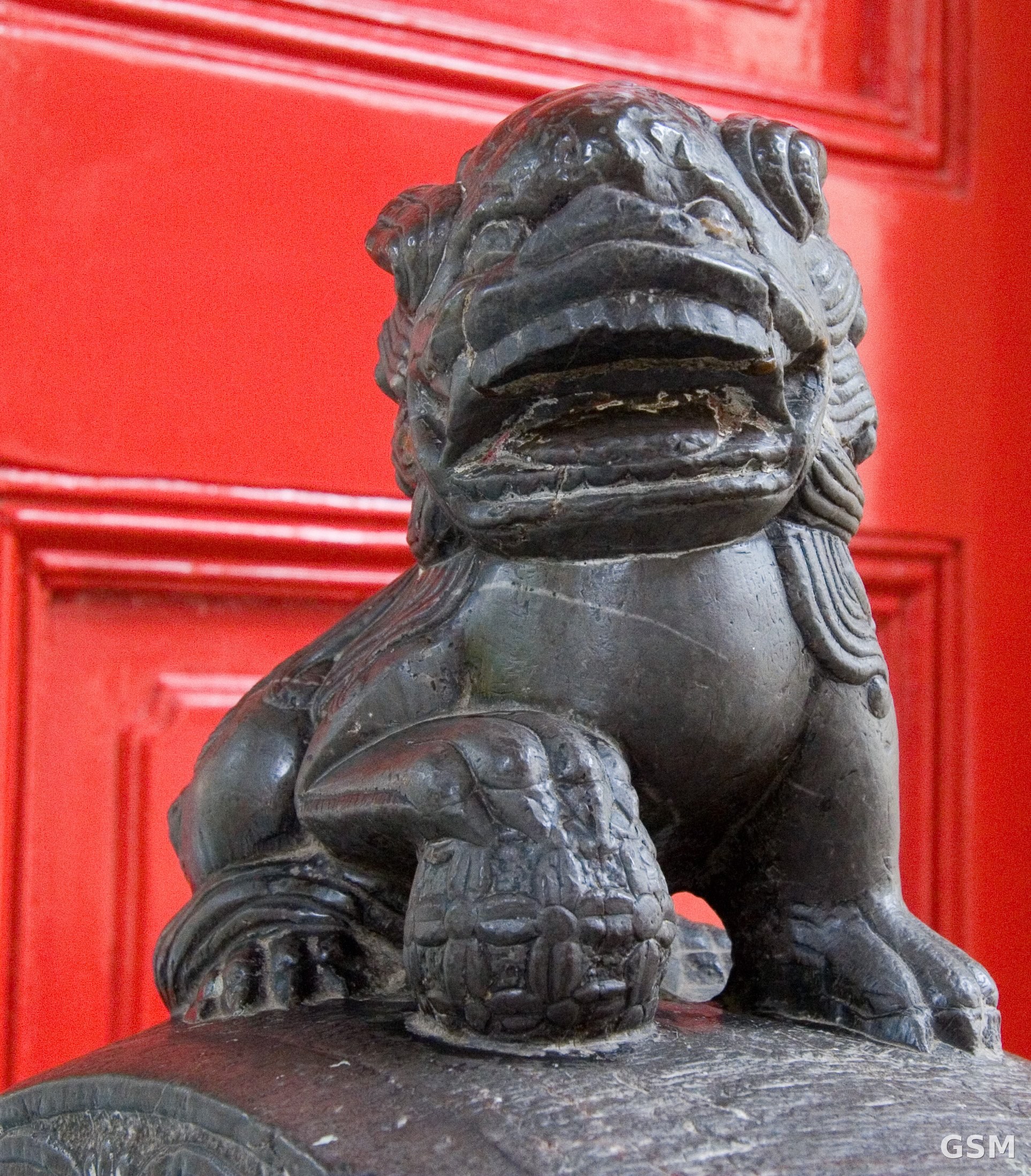
图片来源:南京总统府门前石狮实景,KimonBerlin 摄,CC BY-SA 2.0,Wikimedia Commons / Stone lion at the gate of the Presidential Palace, Nanjing. Photo by KimonBerlin, CC BY-SA 2.0, via Wikimedia Commons.