中国五千年:明朝:郑和下西洋与紫禁城
明朝起于元末的大动荡。朱元璋出身贫寒,参加起义军后逐步统一江南,于一三六八年建立明朝,定都南京。建国之初,明朝废除延续已久的丞相制度,加强皇帝对政务的直接掌控,同时推行里甲制度管理乡村,恢复农业生产,整顿吏治,力图在战乱之后重建秩序。
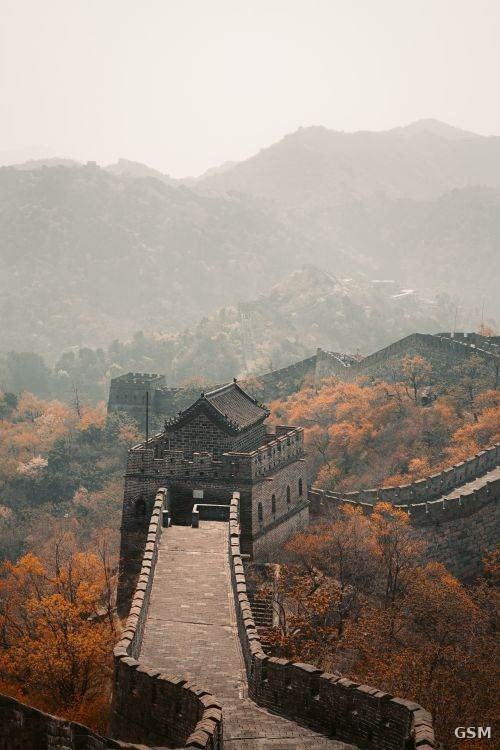
永乐年间,明成祖朱棣迁都北京,修建紫禁城,派郑和率船队多次远航西洋,到达东南亚、南亚以至非洲东岸,促进了中外贸易与文化交流,也显示了当时中国的航海能力。此后,明朝在北方长期面临边防压力,朝廷不断修缮长城、设置卫所,军费与边政成为朝廷难以摆脱的负担。
明朝中后期,土地兼并加剧,赋税与徭役问题突出,朝政时有党争,社会矛盾逐渐积累。万历年间张居正推行一条鞭法,试图把繁杂的赋役折算为银两征收,改革一度缓解了财政困境,却未能扭转长期趋势。
明末天灾频发,农民起义四起,李自成攻入北京,崇祯皇帝自缢,明朝灭亡。明朝留下的遗产十分深远:北京故宫与长城的面貌多定型于明代,科举、户籍与里甲等制度影响后世,小说、戏曲与瓷器、家具等手工业也达到很高的成就,成为中华文化的重要组成部分。
在思想与文化上,明朝同样成就突出。王阳明提出心学,强调知行合一,对后世思想影响深远。李时珍历经多年编成《本草纲目》,系统整理了药物知识,至今仍是中医药的重要典籍。徐霞客长期游历山川,写下《徐霞客游记》,记录了各地的地理与风物。
小说方面,《三国演义》《水浒传》《西游记》在明代成书定型,人物与故事深入人心,至今仍在舞台、影视与日常语言中流传。军事上,戚继光在东南沿海抗击倭寇,整顿军队,总结练兵经验;北方边防则长期依靠长城与卫所体系。明朝中后期,江南商品经济活跃,市镇兴起,市民文化随之发展,白银流通日益普遍,社会面貌较前代更为多样,市民阶层的趣味与需求也反映在小说、戏曲与绘画之中。
信息来源:《明史》、故宫博物院公开史料、中国国家博物馆公开史料
Five Thousand Years of China: The Ming Dynasty: Zheng He’s Voyages and the Forbidden City
The Ming began amid the great turmoil at the end of the Yuan. Zhu Yuanzhang, born poor, joined the rebel armies and gradually unified Jiangnan, founding the Ming in 1368 with his capital at Nanjing. At the founding, the Ming abolished the long-standing office of chancellor, strengthening the emperor's direct control of government, while implementing the lijia system to administer the villages, restoring agricultural production and rectifying the bureaucracy, seeking to rebuild order after the wars.
In the Yongle era, the Yongle Emperor, Zhu Di, moved the capital to Beijing, built the Forbidden City and sent Zheng He with fleets on repeated voyages into the Western Ocean, reaching Southeast Asia, South Asia and as far as the east coast of Africa, promoting trade and cultural exchange between China and abroad and displaying China's maritime capability of the time.
Thereafter the Ming long faced frontier pressure in the north; the court continually repaired the Great Wall and set up garrisons, and military expenditure and frontier administration became burdens the court could not shake off. In the mid-to-late Ming, land annexation intensified, problems of taxation and corvée stood out, the court was at times riven by factional strife, and social contradictions accumulated.
In the Wanli era, Zhang Juzheng carried out the Single Whip reform, seeking to commute the complicated taxes and services into payments of silver; the reform eased the fiscal predicament for a time but could not reverse the long-term trend. At the end of the Ming, natural disasters were frequent and peasant uprisings broke out everywhere; Li Zicheng entered Beijing, the Chongzhen Emperor hanged himself, and the Ming fell.
The Ming's legacy is far-reaching: the appearance of Beijing's Forbidden City and of the Great Wall largely took shape in the Ming; the examinations and the household-registration and lijia systems influenced later ages; and novels, drama and handicrafts such as porcelain and furniture reached high levels, becoming important components of Chinese culture.
In thought and culture the Ming likewise excelled. Wang Yangming advanced the School of Mind, stressing the unity of knowledge and action, with deep influence on later thought. Li Shizhen spent many years compiling the Compendium of Materia Medica, systematically ordering pharmaceutical knowledge; it remains a classic of Chinese medicine. Xu Xiake travelled long among mountains and rivers and wrote the Travel Diaries of Xu Xiake, recording the geography and customs of many places.
In fiction, the Romance of the Three Kingdoms, Water Margin and Journey to the West took final shape in the Ming; their figures and stories entered deep into people's hearts and live on today on the stage, on screen and in daily language. Militarily, Qi Jiguang resisted the wokou pirates on the southeast coast, reformed the army and summed up the experience of training troops; frontier defence in the north long relied on the Great Wall and the garrison system.
In the mid-to-late Ming, the commodity economy of Jiangnan was active, market towns flourished, urban culture developed with them, and silver circulated ever more widely. Society took on a more varied face than in earlier ages, and the tastes and needs of the urban classes found expression in fiction, drama and painting.
Sources: History of Ming; public historical materials of the Palace Museum and the National Museum of China.
来源:GSM·美国(原文链接)
图片来源:明代长城实景(供稿内嵌图,图说不可核验),Pexels 免费图库 / The Ming Great Wall (image embedded in the contributor’s manuscript; caption unverifiable), Pexels.