联邦通信委员会自动外呼新规11月25日生效:退订一类信息电话不再连带停掉欺诈警报等其他来电
联邦通信委员会(FCC)修订自动外呼电话(robocall)同意撤销规则的最终规则10月26日刊登于《联邦纪事》(91 FR 67214,文件号2026-21821),将于2026年11月25日生效:今后消费者要求停止某一类信息类自动外呼或短信,只撤销该一类,不再连带撤销同一来电方的全部来电,银行欺诈警报、双重验证、就诊提醒与停电通知等其他信息类来电可以继续接收。
新规取代了原定2027年1月31日生效的「一撤全撤」(revoke all)口径。FCC在规则中指出,旧口径过于宽泛:消费者回复停止接收付款提醒,按旧解释来电方必须停掉欺诈警报、多因素验证、就诊提醒与公用事业停电通知等毫不相关的来电,而这往往并非消费者本意,消费者甚至不知道退订一类等于退订全部。新规明确,此项按类别撤销只适用于信息类来电。
营销类来电不在放宽之列:消费者针对含广告或构成电话营销的来电提出一次撤销,即撤销该来电方此后全部营销类自动外呼与短信的同意;住宅用户的谢绝来电要求同时适用于来电实体及消费者合理预期会包括在内的关联实体。
撤销方式同步明确:来电方可以指定一种专属撤销方式,但必须在来电或短信中清楚显著地告知消费者。可指定的方式共三种:在自动外呼中用自动交互语音或按键退订;回复短信时使用标准化关键词;或使用来电方提供的网站或电话号码。标准化关键词共七个:stop、quit、end、revoke、opt out、cancel、unsubscribe;短信发送方在每条短信中只需披露其中一个词(例如注明回复stop即可退订)即满足告知要求,但消费者使用任何一个标准化关键词提出撤销,发送方都必须受理。未指定专属方式的来电方,仍须受理以任何合理方式提出的撤销。
金融机构的欺诈警报豁免同步放宽:银行等机构向无线号码发送账户欺诈与身份盗用风险提示,原先只能打给客户本人直接提供的号码;新规把「可靠来源」的号码纳入,包括账户有权家庭成员(如配偶)提供的号码、客户来电时取得的号码,以及从其他金融机构记录中取得的号码。FCC同时鼓励机构使用「号码再分配数据库」(Reassigned Numbers Database)核对,避免打到已易主的号码,且机构必须受理消费者的退订要求。
该命令(FCC 26-67,CG Docket No. 02-278)于2026年9月30日通过、10月1日发布。FCC还授权消费者与政府事务局会同执法局检视现行自动外呼规则条文的组织与可读性,目标是让规则更清楚易懂,但不得借此改变规则实质。
FCC Robocall Rule Takes Effect Nov. 25: Opting Out of One Category of Informational Calls Will No Longer Cut Off Fraud Alerts and Other Calls
The Federal Communications Commission (FCC) final rule revising how consumers revoke consent for robocalls was published in the Federal Register on October 26 (91 FR 67214, Document No. 2026-21821) and takes effect on November 25, 2026: a request to stop one category of informational robocalls or texts will revoke consent only for that category, instead of cutting off all calls from the same caller, so bank fraud alerts, multi-factor authentication, appointment reminders and utility outage calls can keep coming.
The rule replaces the "revoke all" approach that had been scheduled to take effect on January 31, 2027. The FCC said the old reading was overinclusive: a consumer who revoked consent in response to payment reminders would, under the old interpretation, also lose fraud alerts, multi-factor authentication, appointment reminders and utility outage calls even when that was not the consumer's intent, and consumers might not even know that revoking one category revoked everything. The category-specific change applies only to informational calls.
Telemarketing is excluded from the flexibility: one revocation in response to a call or text containing an advertisement or constituting telemarketing revokes consent to all future telemarketing robocalls and texts from that caller, and a residential subscriber's do-not-call request also applies to affiliated entities the consumer would reasonably expect to be included.
The rule also clarifies how consent can be revoked. Callers may designate an exclusive revocation method, but must disclose it clearly and conspicuously on the call or in the text. The three permitted methods are an automated, interactive voice or key-press opt-out mechanism; a text reply using standardized words; or a website or telephone number provided by the caller. The seven standardized words are "stop," "quit," "end," "revoke," "opt out," "cancel" and "unsubscribe"; a text sender may disclose just one of them (for example, "reply stop") in each message, but must still honor a revocation made with any of the seven. Callers that do not designate an exclusive method must keep processing revocations made by any reasonable means.
The exemption letting financial institutions alert customers to fraud and identity-theft risks was also broadened: institutions may now use wireless numbers obtained from a reliable source, including a number supplied by an authorized family member such as a spouse, a number obtained when the customer called the institution, or a number in records obtained from another financial institution. The FCC encouraged use of the Reassigned Numbers Database to avoid calling reassigned numbers, and institutions must honor opt-out requests.
The order (FCC 26-67, CG Docket No. 02-278) was adopted on September 30, 2026 and released on October 1, 2026. The FCC also directed its Consumer and Governmental Affairs Bureau, in consultation with the Enforcement Bureau, to review the organization and readability of the robocall rules, without changing their substance.
来源:GSM·美国(原文链接)
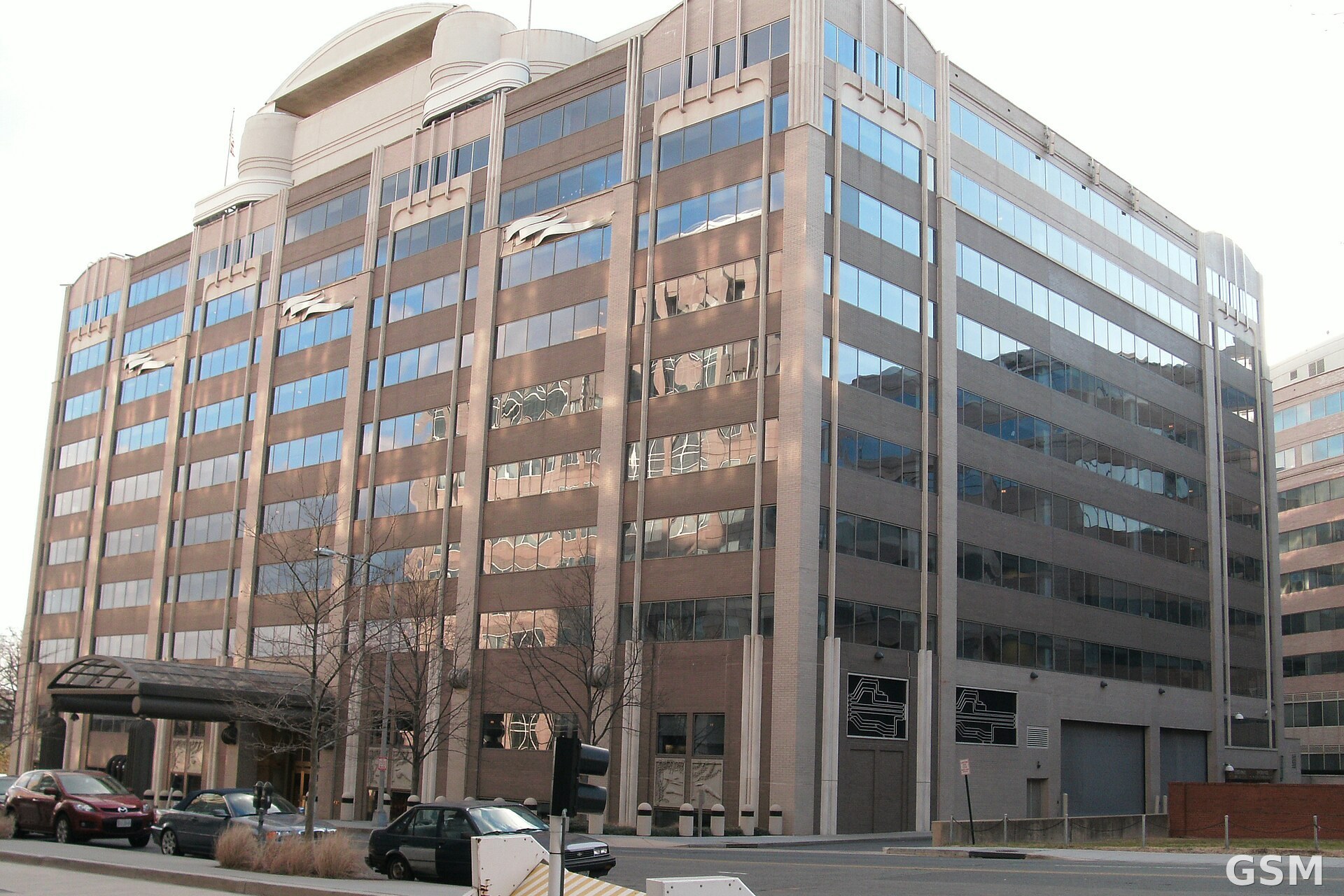
图片来源:联邦通信委员会(FCC)总部大楼(资料图)。照片:Ser Amantio di Nicolao,CC BY 3.0,经 Wikimedia Commons。