Realtor.com研究:联邦新法取消钢制底盘要求,预制房屋有望补上入门房缺口,Hartford都会区机会居首
房地产平台 Realtor.com 10月26日发布研究报告指出,《21世纪住房之路法案》(21st Century ROAD to Housing Act)取消了预制房屋(manufactured housing)必须建在永久钢制底盘上的长期要求,工厂建造的房屋成本有望下降、外观更接近普通现场建造住宅,为补上全美入门级住房(starter home)缺口打开一条新路;但报告同时强调,地方分区(zoning)规则仍是决定性门槛。
新法规定,无底盘房屋在融资、产权登记、保险、税收、运输与安装方面必须与有底盘房屋同等对待;各州须在法案生效后1年内调整本州法律,隔年开会的州立法机构为2年。Realtor.com 首席经济学家 Danielle Hale 表示:「《21世纪住房之路法案》打开了大门,为各城市更高效地建造房屋创造了机会。外观更像现场建造住宅的房屋,可能较少遭遇社区以设计标准和分区规则把预制房屋挡在门外的阻力。但联邦层面的变化只能把门打开,这些房屋能否从工厂走进社区,最终仍由地方决策者决定。」
价格对照凸显预制房屋的成本优势:含土地与附属设施的二手移动房屋9月挂牌中位价为15万美元,新预制房屋4月售价为13.48万美元。以20万美元购房、首付3%、利率7.4%计算,首付为6,000美元、月供约1,343美元;相比之下,现场建造住宅买家的中位首付为27,100美元,以中位挂牌价419,250美元、同一利率计算,月供约2,715美元。房利美(Fannie Mae)允许最低3%首付,利率与现场建造住宅按揭大体相当。
分区仍是最大障碍。据 Land Use Labs 估算,全美只有约17%的已分区土地明确允许移动房屋或预制房屋园区;不少城市把预制房屋排除在普通住宅区之外,只许设在商业、工业或农业区,或要求特别豁免与附条件使用许可,最低建筑面积与建筑外观标准也会把符合联邦住房与城市发展部(HUD)建造标准的房屋挡在门外。
报告按三项指标(单户入门房在售占比、新建单户每平方英尺溢价、每英亩土地中位价)对全美前100大都会区排出机会榜前十:Hartford-West Hartford(康涅狄格州)居首,其单户入门房占比17.9%、新建溢价29.1%、每英亩地价中位数54,805美元;其后依次为 Denver-Aurora-Centennial、Allentown-Bethlehem、Albuquerque、Colorado Springs、Albany-Schenectady-Troy、Rochester、Syracuse、Spokane-Spokane Valley 与 Worcester,十城全部位于东北部或西部,多为中小都会区。Realtor.com 高级经济学家 Joel Berner 表示:「受益最大的市场未必是最大的市场,而是土地相对可得、现场新建成本带溢价、买家入门房选择太少的地方。」
报告也点名仍需改规矩的地方:Albany 全市禁止以居住为目的的移动房屋、移动房屋场与拖车营地;Colorado 州的 Aurora、Fountain 与 Monument 采用24乘36英尺最小占地要求,可能排除许多单宽预制房屋。Colorado Springs、宾州 Bethlehem 与 Upper Macungie、华盛顿州 Spokane 与 Spokane Valley 则已允许预制房屋直接落户(by right)。报告的方法口径为:入门房指售价不高于该都会区中位挂牌价80%的在售房屋(2026年9月数据),土地价格来自2026年第三季度 Realtor.com 仅土地挂牌,新建溢价为同季新建单户与现有单户经面积调整后的中位价格之比。
Realtor.com Study: With Steel Chassis Rule Gone, Manufactured Homes Could Fill the Starter-Home Gap, Hartford Metro Ranks First
A Realtor.com research report released on October 26 found that the 21st Century ROAD to Housing Act has removed the longstanding requirement that manufactured homes be built on a permanent steel chassis, a change that could lower production costs, make factory-built homes look more like site-built homes and open a new path to filling the nation's starter-home gap — though local zoning rules remain the decisive hurdle.
Under the new law, homes built without a chassis must receive the same treatment as homes with a chassis for financing, titling, insurance, taxes, transport and installation, and states must adjust their laws within one year of enactment (two years for states with biennial legislatures). "The 21st Century ROAD to Housing Act opened the door and created the opportunity for cities to allow for building homes more efficiently," said Danielle Hale, chief economist at Realtor.com. "A home that looks more like a site-built home may face less resistance from communities that have used design standards and zoning rules to keep manufactured housing out. But the federal change can only open the door. Local leaders still decide whether these homes can move from the factory to a neighborhood."
The price contrast is stark: resale mobile homes including land and improvements had a median price of $150,000 in September, while new manufactured homes sold for $134,800 in April. A $200,000 purchase with 3% down at a 7.4% rate means a $6,000 down payment and a monthly payment of about $1,343; by comparison, the median site-built buyer put $27,100 down on a $419,250 median listing price, for an estimated monthly payment of $2,715 at the same rate. Fannie Mae allows down payments as low as 3% at rates comparable to site-built mortgages.
Zoning remains the gatekeeper. Land Use Labs estimates that only about 17% of zoned land nationwide expressly allows mobile and/or manufactured housing parks. Many municipalities exclude manufactured homes from regular residential zones, confine them to commercial, industrial or agricultural areas, or require special exemptions and conditional-use permits, while minimum floor-area and architectural standards can also block homes that meet federal HUD construction codes.
Ranking the top 100 metros on starter-home share, new-construction premium per square foot and median land price per acre, the report's opportunity list is led by Hartford-West Hartford, Connecticut (17.9% single-family starter share, 29.1% new construction premium, $54,805 median land price per acre), followed by Denver-Aurora-Centennial; Allentown-Bethlehem; Albuquerque; Colorado Springs; Albany-Schenectady-Troy; Rochester; Syracuse; Spokane-Spokane Valley; and Worcester — all in the Northeast or West, and mostly smaller markets. "The markets with the most to gain are not necessarily the biggest ones," said Joel Berner, senior economist at Realtor.com. "They are places where the economics create an opening for factory-built housing: land is more attainable, site-built new construction carries a premium, and buyers have too few starter-home options."
Some jurisdictions will need to revisit their rules: Albany bars mobile homes, mobile home courts and trailer parks for dwelling purposes citywide, while Aurora, Fountain and Monument in Colorado use a 24-by-36-foot minimum footprint that likely excludes many single-wide manufactured homes. Colorado Springs; Bethlehem and Upper Macungie, Pennsylvania; and Spokane and Spokane Valley, Washington, already allow manufactured homes by right. Starter homes in the study are defined as homes listed at or below 80% of their metro's median listing price in September 2026; land prices come from third-quarter 2026 land-only listings, and the new construction premium compares size-adjusted median prices of new and existing single-family homes in the same quarter.
来源:GSM·美国(原文链接)
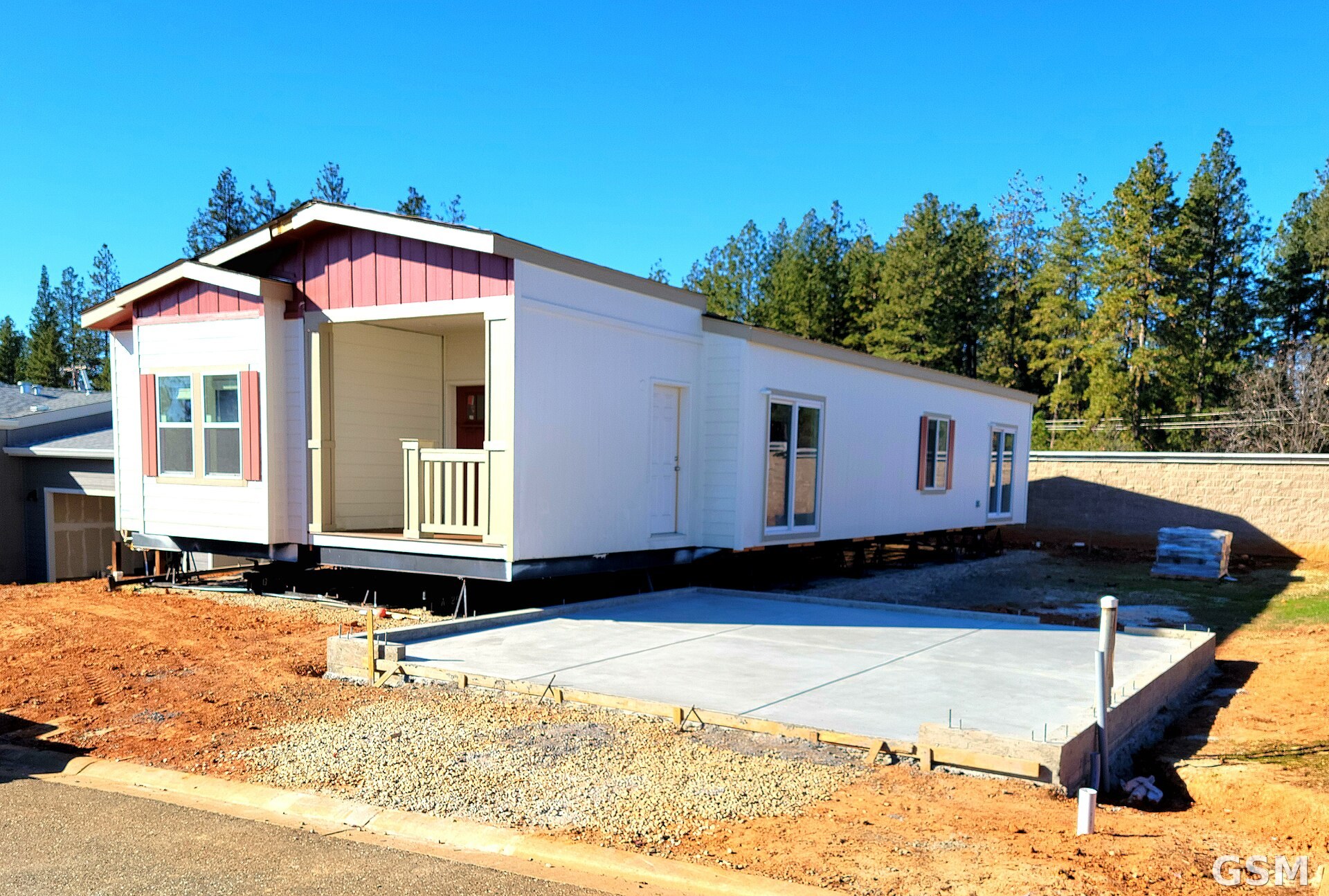
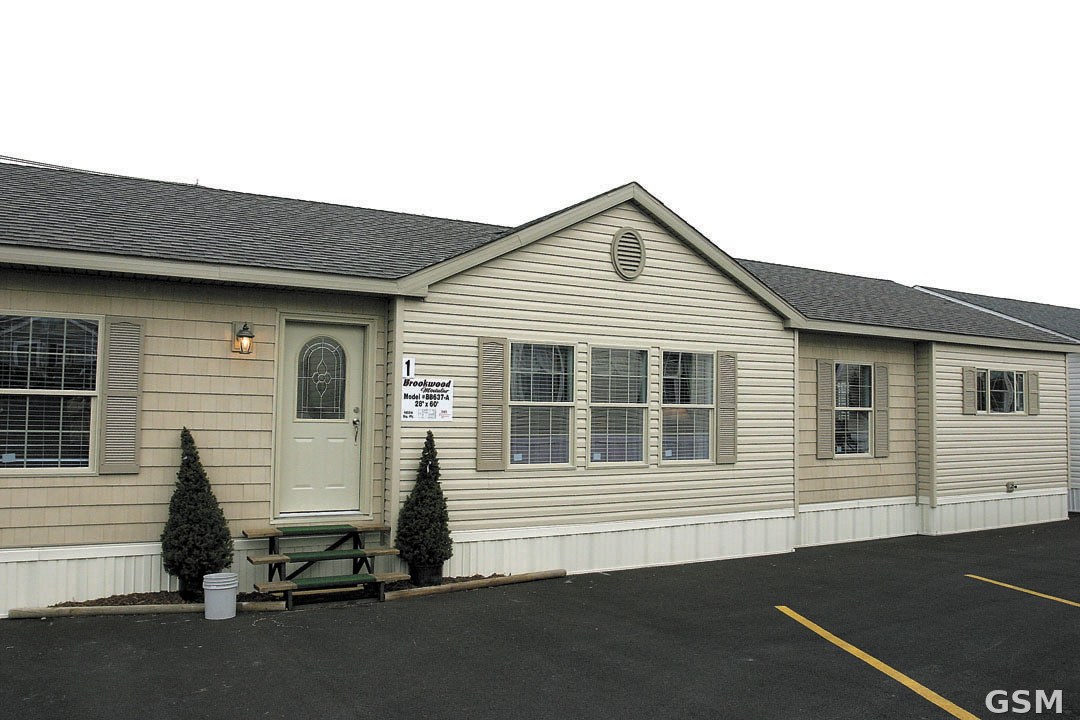
图片来源:图:工厂建造的预制房屋(双拼式 sectional)外景资料图。图片:CC BY-SA 3.0,经 Wikimedia Commons。Photo: Exterior of a factory-built manufactured (sectional) home, file photo. Image: CC BY-SA 3.0, via Wikimedia Commons.