美国食品券领取人数降至3650万:一年减少510万,Arizona 州降幅达五成
美国农业部(USDA)最新数据显示,全美补充营养援助计划(SNAP,即食品券)领取人数已降至2026年6月的3,650万人,较2025年7月的4,160万人减少510万人,降幅约13%。人数下滑发生在《大而美法案》(One Big Beautiful Bill Act)收紧领取规则之后:新规将每周至少工作20小时的要求从18至54岁、无18岁以下受抚养人者,扩大到18至64岁、无14岁以下受抚养人者,不符合者最多只能领取三个月福利(以三年为周期)。国会预算办公室(CBO)此前测算,相关变更将在十年内减少约1,870亿美元计划支出;自今年10月起,各州还须承担SNAP行政成本的75%,此前为50%。
各州降幅差异悬殊。据反饥饿非营利组织 Food Research & Action Center 对农业部数据的分析,自新法实施以来,除 Alaska 州外,各州领取人数均有下降:Arizona 州降幅超过五成,今年6月约有42.1万人在领;Louisiana 州减少逾17.3万人(约22%),Illinois 州减少逾36.8万人(约20%),Kentucky 州降幅约6%。仅2026年5月至6月一个月,全美就有超过33万人失去领取资格。Kentucky 州州长 Andy Beshear 本月致信农业部长 Brooke Rollins,警告新规正让包括儿童与老年人在内的更多居民挨饿;本站10月14日曾报道,该州已有逾8万人失去食物援助,其中包括24,655名儿童。
支持与反对的声音同时存在。特朗普与共和党方面表示,新规旨在鼓励人们就业;农业部长 Brooke Rollins 今年8月在 Minnesota 州表示,让500万人脱离食品券,对重视工作的人而言是「相当大的胜利」。另一方面,民选官员、非营利组织负责人与经历粮食不安全的人士表示,新规只是让美国家庭更难吃饱饭。Michigan 州食物银行委员会的求助热线在新规生效后日均来电量增至三倍以上,本周因来电量过载一度暂停服务;该委员会对外关系主管 Sheril Kirshenbaum 表示,没有数据表明就业机会突然增加,已知的事实只是领取福利的人变少了。Louisville 的 Feed Louisville 创始人 Rhona Kamar 表示:「我们的社区里永远会有一部分人需要帮助——我们必须接受这一点;一旦接受了,正确的做法就是为他们提供资源。」
U.S. Food Stamp Enrollment Falls to 36.5 Million, Down 5.1 Million in a Year, as Arizona Rolls Drop by Half
Enrollment in the Supplemental Nutrition Assistance Program (SNAP), the federal food stamp program administered by the U.S. Department of Agriculture (USDA), fell to 36.5 million people in June 2026, down 5.1 million, or about 13 percent, from 41.6 million in July 2025, according to the latest USDA data. The decline followed the One Big Beautiful Bill Act, which tightened the rules for keeping benefits: a requirement to work at least 20 hours a week in paid or volunteer work, previously applied to able-bodied adults ages 18 to 54 without a dependent under 18, now covers people ages 18 to 64 without a dependent under 14, and those who do not comply can receive benefits for no more than three months over three years. The Congressional Budget Office has projected that the changes will reduce program spending by about $187 billion over ten years, and starting this October, states must cover 75 percent of SNAP administrative costs, up from half.
The impact has varied sharply by state. An analysis of USDA data by the anti-hunger nonprofit Food Research & Action Center shows participation has fallen in every state except Alaska since the new law took effect: Arizona's rolls dropped by more than half, with about 421,000 people receiving assistance in June; Louisiana's enrollment fell by more than 173,000 (about 22 percent); Illinois dropped by more than 368,000 (about 20 percent); and Kentucky recorded a decrease of about 6 percent. More than 330,000 Americans lost access between May and June 2026 alone. Kentucky Governor Andy Beshear wrote to Agriculture Secretary Brooke Rollins this month warning that the changes were leaving more people hungry, including children and older residents; GSM reported on October 14 that more than 80,000 people in Kentucky, including 24,655 children, had already lost food assistance.
Both sides of the debate are on the record. President Donald Trump and other Republicans say the changes encourage people to find jobs, and Secretary Rollins said in Minnesota in August that moving five million people off food stamps was, for those who value work, "a pretty big win." Elected officials, nonprofit leaders and people experiencing food insecurity counter that the changes simply make it harder for American families to feed themselves. The Food Bank Council of Michigan's helpline, which answers questions about applying for SNAP and accessing local food programs, began receiving more than three times as many calls daily after the changes took effect and temporarily suspended the helpline this week because of the volume. Sheril Kirshenbaum, the council's chief external relations officer, said there was no data suggesting a sudden increase in available jobs; what was known was that fewer people were receiving benefits. "There is always going to be a percentage of our communities who we need to help—we have to accept that—and so, once we accept it, it is easy to just move forward and do the right thing, which is to provide resources to people who need them," said Rhona Kamar, founder and executive director of Feed Louisville, a nonprofit that aims to reduce hunger and food waste.
来源:GSM·美国(原文链接)
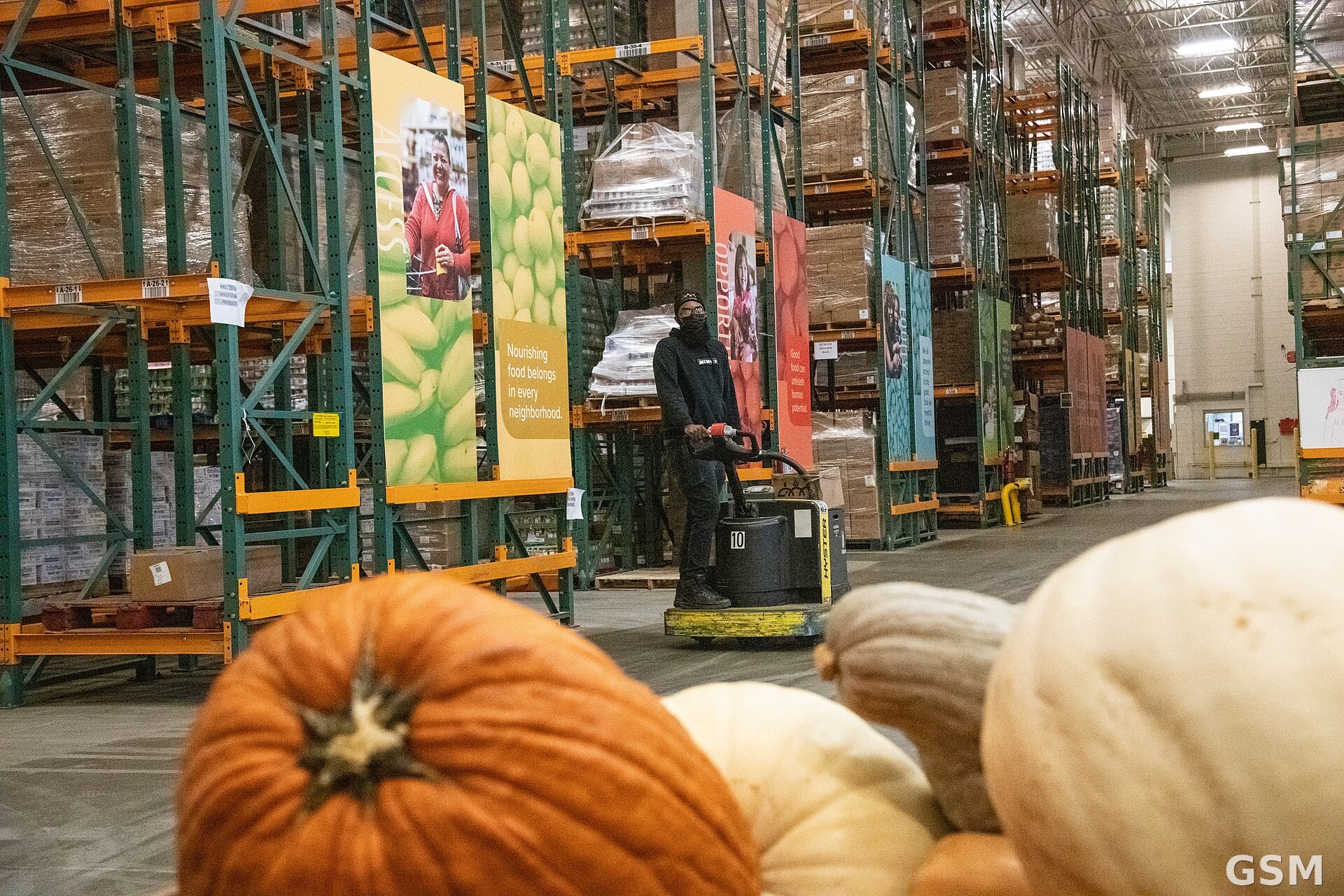
图片来源:图:美国首都地区食物银行(Capital Area Food Bank)仓库内,工作人员在货架间搬运食物物资(资料图)。图片:美国农业部 USDA 摄,公共领域。/ Inside the Capital Area Food Bank warehouse, a worker moves food supplies between stocked shelves (file photo). Photo by the U.S. Department of Agriculture (USDA), public domain, via Wikimedia Commons.