国土安全部暂停中国公民赴北马里亚纳免签计划EVS-TAP:10月30日起赴Saipan须先办签证 2025财年逾3000人曾用该计划入境
华盛顿 — 美国国土安全部(DHS)10月26日向《联邦公报》提交正式通告,国土安全部长 Markwayne Mullin 决定暂停北马里亚纳群岛联邦(CNMI)「经济活力与安全旅行授权计划」(EVS-TAP);该计划允许经预审的中国公民免签证赴北马里亚纳群岛短期访问。通告定于10月27日刊登,暂停于刊登后第三天、即10月30日(周五)美东时间下午2时生效。
EVS-TAP 于2024年由国土安全部以临时最终规则设立,2025年2月20日正式实施,取代此前对中国公民逐案发放假入境许可的做法。按该计划,中国公民经海关与边境保护局(CBP)预审后可免签进入北马里亚纳群岛,每次停留最长14天,旅行授权有效期一年;持该授权只能进入北马里亚纳群岛,不得前往关岛、美国本土或其他美国地点,其审查由 CBP 完成,不经国务院领事官员签证面谈。
通告写明,暂停同时适用于新申请人与已持有有效 EVS-TAP 旅行授权的人,已获批授权一并撤销;在生效日当天已凭该计划入境并合法停留在北马里亚纳群岛的中国公民,可停留至其获准期限届满,但此后再次前往必须先取得签证。生效后,中国公民以商务或旅游为目的赴北马里亚纳群岛,须在出发前取得相应的非移民签证,除非另有合法例外;2025年2月20日已停用的旧假入境许可政策不会恢复。国土安全部表示,暂停期间将与国务卿和内政部长协商,对该计划进行评估,通告未给出恢复日期。
国土安全部给出的首要理由是国家安全与执法风险。通告称,2025财年有超过3000名中国公民使用 EVS-TAP 进入北马里亚纳群岛,如此规模的免签入境构成不可接受的安全与执法风险,国土安全部判断该计划「几乎肯定」正被利用。通告指出,该计划可能被用于针对地区内敏感美国国防设施的间谍与情报搜集:战争部正在北马里亚纳群岛的 Tinian 恢复一处空军基地,相邻的关岛驻有多个对本土防御至关重要的美军设施;而尽管规定严禁,仍有人从北马里亚纳群岛乘走私船非法前往关岛——2024年3月,一名中国公民因共谋偷运9名中国公民由 Saipan 前往关岛被判刑;2025年2月,另一名中国公民因共谋偷运7人被判刑,其中多人后来在敏感军事设施附近被发现。
通告还列出另外两项理由。一是生育旅游:通告称北马里亚纳群岛的生育旅游问题由来已久,免签与较低审查门槛可能降低这一做法的门槛,并给当地医疗系统带来压力。二是与中国相关的犯罪活动历史:通告提及 Saipan 一家赌场开发与运营涉洗钱和劳工虐待,其临时赌场曾报告每月超过20亿美元的贵宾投注,运营公司高管后来被以《反勒索及受贿组织法》(RICO)罪名起诉;国土安全部认为,继续为中国公民提供免签便利,有助长有组织犯罪网络、金融犯罪与劳工虐待之虞。
国土安全部在通告中表示,部长已考虑当地商家与受影响旅客的依赖利益,承认部分北马里亚纳商家的经营计划建立在该计划或旧假入境政策带来的旅游与商务旅行之上、拟出行的旅客可能蒙受不便或经济损失;但真正的商务与旅游访客仍可通过申请非移民签证前往,国土安全部认定,已查明的安全、移民与执法风险超过这些经济与个人利益,构成暂停的充分理由。通告的进一步信息联系人为 CBP 旅行授权与通讯项目管理办公室的 Melanie Mataxas。
DHS Suspends Visa-Free EVS-TAP Program for Chinese Nationals Visiting the Northern Mariana Islands: Visa Required for Travel to Saipan From October 30; More Than 3,000 Used the Program in Fiscal 2025
WASHINGTON — The U.S. Department of Homeland Security (DHS) filed a formal notice with the Federal Register on October 26 in which Secretary of Homeland Security Markwayne Mullin decided to suspend the Commonwealth of the Northern Mariana Islands (CNMI) Economic Vitality and Security Travel Authorization Program (EVS-TAP), which allows prescreened nationals of the People's Republic of China to travel to the CNMI without a visa for temporary visits. The notice is scheduled for publication on October 27, and the suspension takes effect at 2 p.m. EDT on the third day after publication, Friday, October 30.
EVS-TAP was created by DHS in a 2024 interim final rule and implemented on February 20, 2025, replacing the previous case-by-case parole policy for Chinese nationals. Under the program, Chinese nationals prescreened by U.S. Customs and Border Protection (CBP) could enter the CNMI without a visa for a maximum of 14 days per visit, with travel authorizations valid for one year. Holders could enter only the CNMI — not Guam, the mainland or any other U.S. location — and were vetted by CBP instead of by a State Department consular officer through the visa process.
The notice states that the suspension applies both to new applicants and to previously approved travelers with an existing EVS-TAP travel authorization, which are revoked. Chinese nationals already admitted under EVS-TAP and legally present in the CNMI on the effective date may remain for their current authorized period of stay, but will need to obtain a visa for any future travel. From the effective time, Chinese nationals seeking to travel to the CNMI temporarily for business or pleasure must obtain an appropriate nonimmigrant visa before traveling, unless another lawful exception applies, and the prior parole policy discontinued on February 20, 2025 will not be reinstated. DHS said it will evaluate the program in consultation with the Secretary of State and the Secretary of the Interior during the suspension, and the notice sets no end date.
DHS gave national security and law enforcement risks as its primary reason. The notice says more than 3,000 PRC nationals used EVS-TAP to enter the CNMI in fiscal year 2025, and that this volume of visa-exempt entries presents unacceptable security and law enforcement risks, judging that PRC nationals are almost certainly exploiting the program. It says EVS-TAP may be exploited to facilitate PRC espionage and intelligence collection directed against sensitive U.S. defense infrastructure in the region: the Department of War is restoring the Tinian Air Base in the CNMI, and neighboring Guam is home to several military installations critical to homeland defense. Despite the strict prohibition on travel beyond the CNMI, the notice cites illegal onward travel by smuggling vessel to Guam — in March 2024 a PRC national was sentenced for conspiring to transport nine PRC nationals from Saipan to Guam, and in February 2025 another PRC national was sentenced for conspiring to transport seven, most of whom were later encountered in or near sensitive military installations.
The notice lists two further grounds. One is birth tourism: it says birth tourism has long been an issue in the CNMI, that visa-exempt travel and reduced vetting under EVS-TAP may lower barriers to the practice, and that it can strain the islands' medical infrastructure. The other is the CNMI's history of PRC-linked criminal activity: the notice cites a Saipan casino development linked to money laundering and labor abuses, whose temporary facility reported more than $2 billion in monthly VIP bets and whose executives were later indicted on Racketeer Influenced and Corrupt Organizations (RICO) Act charges, saying that facilitating visa-exempt access contributes to an unacceptable risk of fueling organized criminal networks, financial crimes and labor abuses.
DHS said the Secretary considered the reliance interests of CNMI businesses and affected travelers, acknowledging that some businesses built plans around tourism and commercial travel under EVS-TAP or the prior parole policy and that prospective travelers may face inconvenience or financial loss. It said bona fide visitors for business or pleasure remain able to obtain a nonimmigrant visa, and determined that the identified risks to national security, immigration and law enforcement interests outweigh those economic and personal interests. The notice lists Melanie Mataxas of CBP's Traveler Authorization and Communications Program Management Office as the contact for further information.
来源:GSM·美国(原文链接)
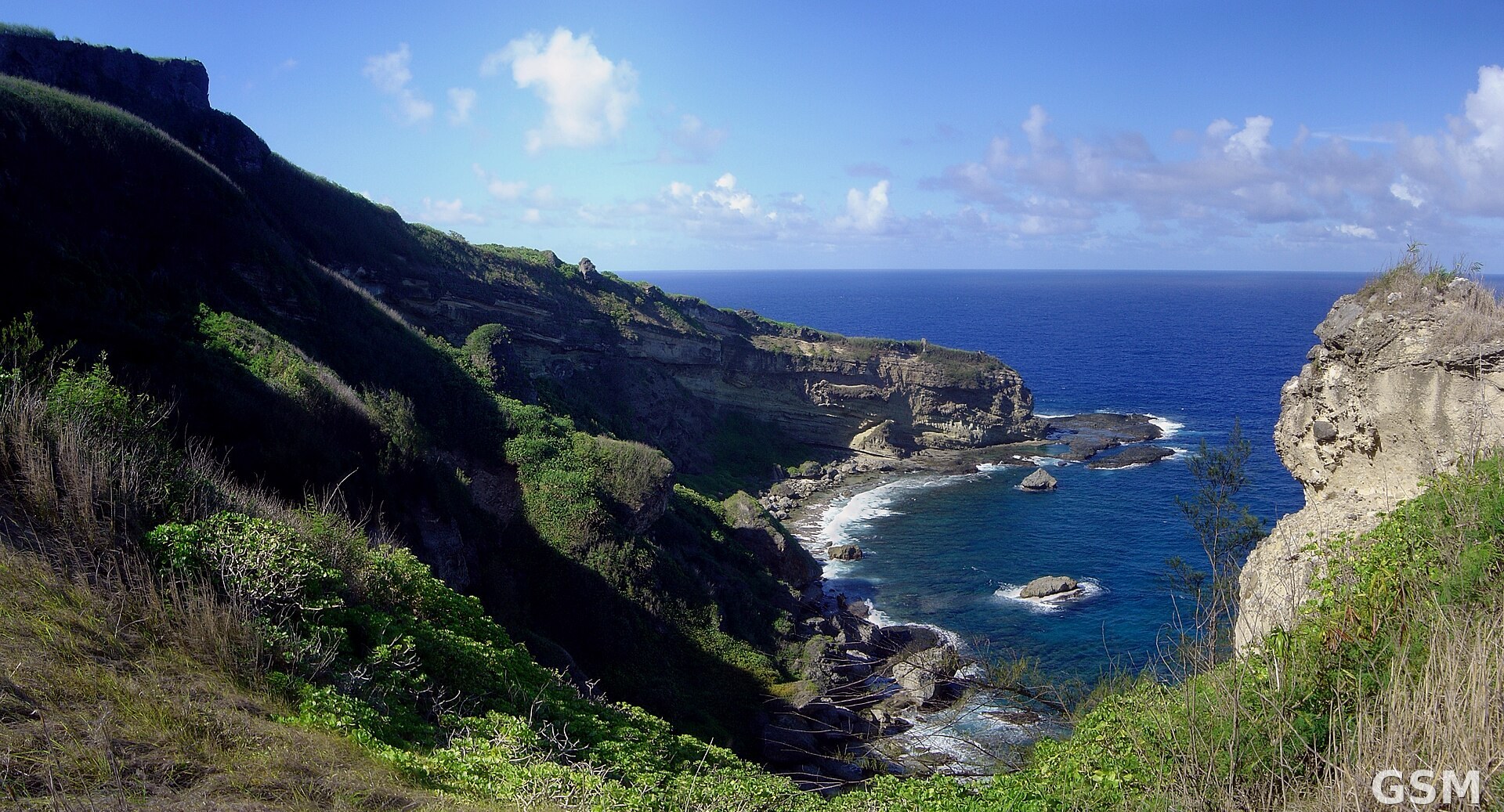
图片来源:图:北马里亚纳群岛 Saipan 的 Forbidden Island 附近海岸(资料图)。照片:David Burdick,美国国家海洋和大气管理局 NOAA 照片库,公共领域,经 Wikimedia Commons。 / Coast near Forbidden Island, Saipan, Commonwealth of the Northern Mariana Islands (file photo). Photo by David Burdick, NOAA Photo Library, U.S. National Oceanic and Atmospheric Administration, public domain, via Wikimedia Commons.