Oakland市30美元最低工资倡议获签名认证:市议会12月1日决定直接通过、付诸公投或先做30天研究
位于加州阿拉米达县的 Oakland 市一项把最低工资逐步提高到每小时30美元的公民倡议已获得签名认证。据 East Bay Insiders 本周四报道,阿拉米达县选举官员已核定《2026年 Oakland 全民生活工资法案》(Oakland Living Wage for All Act of 2026)的请愿签名有效、数量达标。该倡议将把全市最低工资分阶段提高,到2037年7月1日达到每小时30美元,大型雇主须更早达标。
Oakland 市政府官网公布的现行最低工资为每小时17.34美元(2026年1月1日起生效,酒店员工另有例外规定);加州全州最低工资为每小时16.90美元,阿拉米达县内最高的 Emeryville 市为每小时20.34美元。按倡议官方文本,雇员100人以上且年营收超过10亿美元的雇主,须于2027年7月1日付每小时19.90美元、2028年23.30美元、2029年26.70美元、2030年达到30美元。
按加州选举法,市议会收到合格的公民倡议后选择有限。市议会规则与立法委员会10月22日的补充议程援引加州《选举法典》第9215条列出路径:议会可不作修改直接通过该法令、无须公投即成为法律;也可将其提交选民表决,时间可为2028年11月7日的下一次市政大选,或在议会决定后88至103天内举行特别选举;或者先依第9212条要求一份评估报告、在30天内提交,以了解倡议的影响,再在前两条路径中作选择。认证结果与三项备选方案(市政档案27-0173至27-0176)已排入市议会12月1日会议的非同意事项议程;若选择特别选举,时间最可能落在2027年第一季度。
这场运动沿用了同一联盟今年早些时候在阿拉米达县非建制地区的打法。由100多个民权、信仰与劳工组织组成、隶属全国 One Fair Wage 运动的 Living Wage for All 联盟,此前已在县非建制地区(含 Ashland、Castro Valley、Cherryland、Fairview、Hayward Acres、San Lorenzo 与 Sunol)让一项近乎相同的倡议获得资格。县监事会8月以3比2投票决定先委托经济研究,令该倡议未能赶上2026年11月选票;9月15日,监事会将其排入2028年3月选票,并要求由监事 Nate Miley 主持、监事 Lena Tam 参与的委员会研究提出一项竞争版本。县版本要求100人以上雇主2030年付30美元、中型雇主2035年、小型雇主(25人及以下)2037年达标。
为县监事会分析该倡议的 BAE Economics 经济学家 Paul Peninger 估计,县版本每年可能令县政府多支出3300万至3430万美元,但他同时指出,工资与消费支出增加带来的税收可部分抵消这一成本,且估算未计入居民因收入提高而少领 CalFresh、Medi-Cal 等福利所节省的开支。据 Oakland North 报道,县研究显示,按现行法律,阿拉米达县没有任何城市预计在2032年前达到每小时30美元。
正反双方的说法在县级辩论中已经出现。县请愿协调人之一 John Howard 9月对监事会说,湾区工资没有跟上住房与育儿成本,「不得不工作的人为什么要被挤压?既然要工作,就应拿到负担得起、足够生活的工资。」非建制地区战略联盟(Unincorporated Strategic Coalition)创办人 Edward Escobar 则称,单挑非建制地区推行每小时30美元是「对我们社区的攻击」,托儿中心、餐馆、家庭小店与老牌雇主无法在与邻近低工资城市的直接竞争中承受工资陡增,「我们不是试验场」。One Fair Wage 主席 Saru Jayaraman 表示,联盟正与 Berkeley、Emeryville 两市议员商谈类似倡议;谈到县里可能推出的竞争版本,她对 Oakland North 说,低于30美元的版本「会失败」,更高则「太好了,我希望它通过」。
据《旧金山问询报》(San Francisco Inquirer)报道,该报曾向市议会主席 Kevin Jenkins、市议员 Carroll Fife、One Fair Wage、Oakland 大都会商会的 Barbara Leslie 以及加州大学伯克利分校劳工中心征求评论,截至发稿均未获回复。
Oakland's $30 Minimum Wage Initiative Qualifies: City Council to Decide on Adoption, a Vote, or a 30-Day Study
A citizen initiative that would gradually raise the minimum wage in Oakland, a city in Alameda County, California, to $30 an hour has qualified after its signatures were certified. Alameda County elections officials certified that the petition for the Oakland Living Wage for All Act of 2026 had enough valid signatures, East Bay Insiders reported on Thursday. The measure would lift the city's minimum wage in stages to $30 an hour by July 1, 2037, with larger employers required to reach that level sooner.
The City of Oakland's official website lists the current city minimum wage at $17.34 an hour, effective January 1, 2026, with some exceptions for hotel workers. California's statewide minimum is $16.90, and Emeryville's $20.34 is the highest in Alameda County. Under the initiative's official text, employers with 100 or more employees and annual gross revenue over $1 billion would pay $19.90 an hour from July 1, 2027, $23.30 in 2028, $26.70 in 2029, and $30.00 in 2030.
Under California election law, a city council that receives a qualified citizen initiative has limited choices. A supplemental agenda for the council's Rules and Legislation Committee meeting on October 22, citing California Elections Code Section 9215, lays them out: the council can adopt the ordinance without alteration, making the $30 schedule law without a public vote; it can submit the measure to voters at the next general municipal election on November 7, 2028, or at a special election held 88 to 103 days after the council calls it; or it can first order a report under Elections Code Section 9212 on the measure's effects, to be presented within 30 days, a step that delays but does not replace one of the first two choices. The certification and the three alternatives (city legislative files 27-0173 through 27-0176) are slated for the full council's December 1 meeting as non-consent items, according to the agenda; a special election, if chosen, would most likely fall in the first quarter of 2027.
The Oakland campaign follows the same path its organizers took earlier this year in the unincorporated parts of Alameda County, including Ashland, Castro Valley, Cherryland, Fairview, Hayward Acres, San Lorenzo and Sunol. There, the Living Wage for All coalition, a group of more than 100 civil rights, faith and labor organizations that is part of the national One Fair Wage campaign, qualified a nearly identical initiative. The Board of Supervisors voted 3 to 2 in August to commission an economic study rather than act immediately, which kept the measure off the November 2026 ballot, East Bay Insiders reported. On September 15, supervisors placed it on the March 2028 ballot and asked a committee chaired by Supervisor Nate Miley, which includes Supervisor Lena Tam, to explore a competing countermeasure, according to Oakland North.
Under the county version, employers with more than 100 workers would have to pay $30 an hour in 2030, medium-sized employers in 2035 and employers with 25 or fewer workers in 2037. Paul Peninger of BAE Economics, whose firm analyzed the county measure for the supervisors, estimated that it could cost the county government $33 million to $34.3 million a year. He noted that the cost could be partly offset by tax revenue from higher wages and consumer spending, and that the estimate did not account for savings if fewer residents qualified for programs like CalFresh and Medi-Cal. According to the county's study, no city in Alameda County is projected to reach $30 an hour until 2032 under existing law, Oakland North reported.
Supporters say wages in the Bay Area have not kept up with housing and child care costs. John Howard, one of the county petition's coordinators, asked supervisors in September: 'Why do the people who have to work have to be squeezed? If we're going to work, we should have affordable or adequate wages that we're going to work for.' Edward Escobar, founder of the Unincorporated Strategic Coalition, told the board the $30 initiative targeting only unincorporated areas was 'an attack on our communities,' saying childcare centers, restaurants, family-run shops and long-standing employers cannot survive a wage spike while competing directly with neighboring cities operating under normal wage laws: 'We are not a testing ground.' Saru Jayaraman, president of One Fair Wage, has said the coalition is in talks with council members in Berkeley and Emeryville about similar measures; of a possible county countermeasure, she told Oakland North: 'If they put a countermeasure on the ballot that's less than $30, it's going to fail. If it's more, fantastic. I want it to pass.'
The San Francisco Inquirer reported that it sought comment from Council President Kevin Jenkins, Councilmember Carroll Fife, One Fair Wage, Barbara Leslie of the Oakland Metropolitan Chamber of Commerce and the UC Berkeley Labor Center, and that none responded by publication time.
来源:GSM·美国(原文链接)
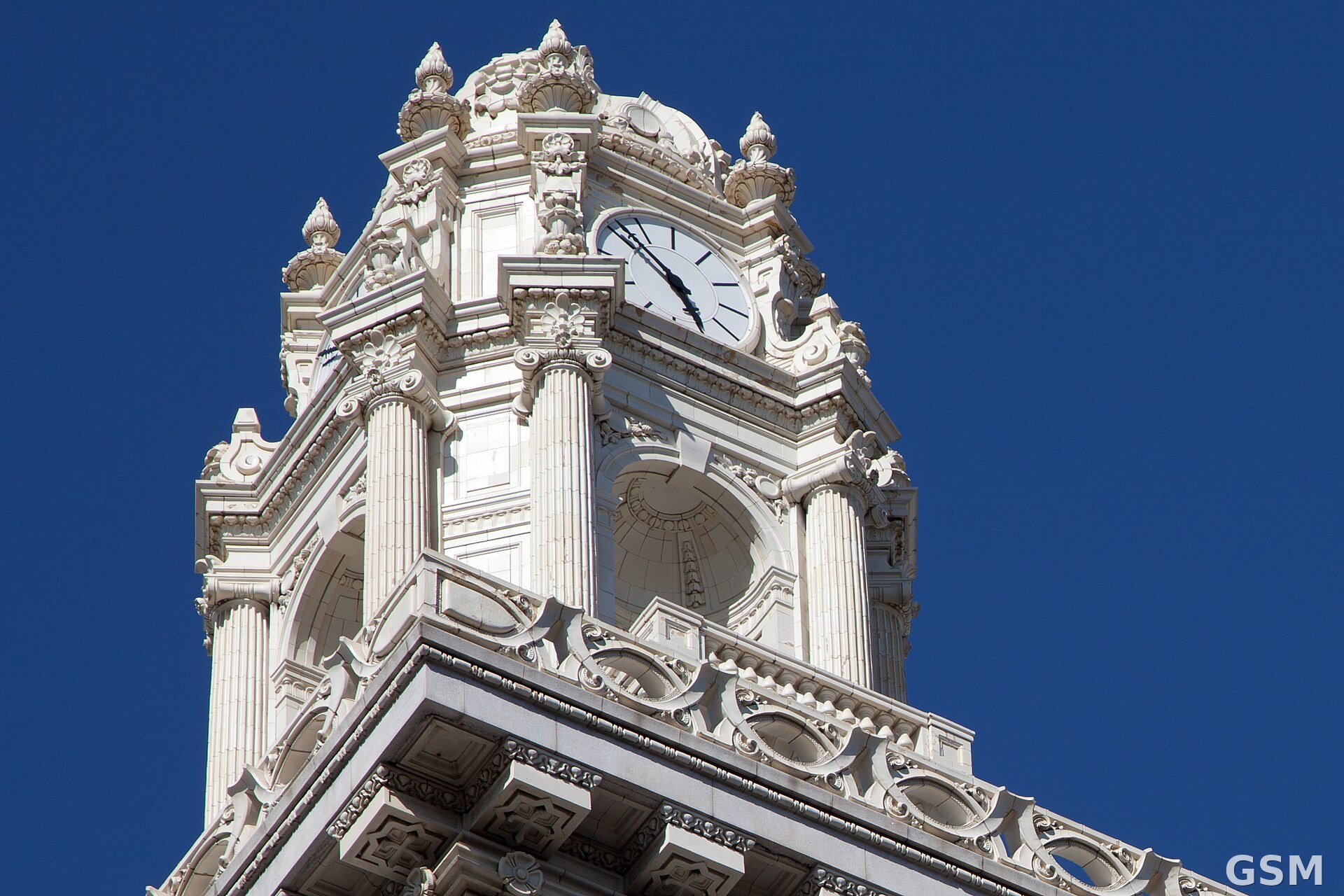
图片来源:Oakland市政厅实景(Almonroth 摄,Wikimedia Commons,CC BY-SA 3.0)