捷克执政联盟凌晨投票推进公共媒体改革:取消广播收视费、经费改由国家预算承担,独立性争议发酵
捷克执政联盟10月24日凌晨在一场罕见的通宵投票中,把公共媒体经费改革方案推进过议会第一道关口,尽管外界批评这一改革可能削弱公共广播机构的独立性。(GSM 据路透社报道)
这项提案由亿万富翁总理 Andrej Babis 领导的民粹主义政府提出,并得到极右翼的自由与直接民主党(SPD)支持。该政府此前多次批评公共与私营媒体对其政策的报道,并指责部分媒体带有偏见。提案是在10月23日(周五)临时加进议程的:身为 SPD 成员的议长 Tomio Okamura 限制了辩论时间,并把投票定在周六凌晨 4 时 36 分举行。执政联盟凭借多数票,把法案送交各委员会进一步审议。
按政府的说法,改革将取消每户每月 205 克朗(约 9.45 美元)的广播收视费,以减轻民众负担,公共媒体的经费今后改由国家预算承担。提案同时将削减捷克电视台与捷克广播电台的经费约 15%,最早可能从明年开始实施,并在此后数年内保持名义经费不变。
反对党把这项改革与匈牙利前总理 Viktor Orban 时期的媒体改革相提并论,Orban 任内亲政府媒体曾大幅扩张。批评者说,经费改由国家预算拨付并被削减,会让公共广播机构更容易受到政治压力。捷克电视台是该国各年龄段收视最高的广播机构,而据 2025 年路透研究所的一项调查,公共媒体是捷克最受信任的新闻来源之一。欧洲记者联合会发表声明说,该法案违背《欧洲媒体自由法》关于公共服务媒体应获得充足、稳定、可预期经费的要求。广播机构本身、国际新闻组织以及大学、天主教会等机构也对提案的快速推进提出批评。
投票当晚,数百名抗议者聚集在议会外,其中一些人彻夜留守,当地媒体报道有数人曾试图进入议会大楼但未成功。一个公民团体已号召周日举行公众抗议,广播机构的记者与员工则宣布将于 11 月 3 日举行罢工。Babis 10月23日晚间在 Facebook 上回应说:「独立媒体没有战争。没有为民主而战,也没有在准备把媒体国有化。」
Czech Coalition Advances Public Media Overhaul in Overnight Vote, Drawing Independence Concerns
The Czech ruling coalition pushed public media funding changes through a first parliamentary hurdle in a rare overnight vote early on Saturday, October 24, despite criticism that they could weaken the independence of the country's public broadcasters. (GSM, via Reuters)
The populist government of billionaire Prime Minister Andrej Babis, backed by the far-right SPD party, proposed the changes. The government has frequently criticised public and private media coverage of its policies and accused some outlets of bias. The proposal was brought to the floor outside the planned order of proceedings on Friday: Speaker Tomio Okamura of the SPD limited debate and scheduled the vote for 4:36 a.m. on Saturday. The coalition's majority then voted to send the bill to committees for further discussion.
The government says it is scrapping the 205 crown ($9.45) monthly household broadcasting fee to ease costs for consumers, with funding to come from the state budget instead. The proposal would cut funding for Czech Television and Czech Radio by about 15 percent, possibly as early as next year, and keep nominal funding unchanged for several years.
Opposition parties have compared the proposed changes with media reforms in Hungary under former Prime Minister Viktor Orban, who oversaw a major expansion of pro-government media. Critics say the changes would weaken the broadcasters and make them more vulnerable to political pressure. Czech Television is the country's most-watched broadcaster across major age groups, and public media are among the most trusted news sources in the country, according to a 2025 Reuters Institute survey. The European Federation of Journalists said in a statement that the bill goes against the European Media Freedom Act, which requires adequate, stable and predictable funding for public service media. The fast-track treatment also drew criticism from the broadcasters, international journalism groups and institutions including universities and the Catholic Church.
Hundreds of protesters gathered outside parliament, with some remaining overnight, and local media reported that several people unsuccessfully tried to enter the building. A civic group has called a public protest for Sunday, and journalists and other employees at the broadcasters have announced a strike for November 3. "There is no war for independent media," Babis said on Facebook late on Friday. "There is no fight for democracy and no nationalisation of media is being prepared."
来源:GSM·美国(原文链接)
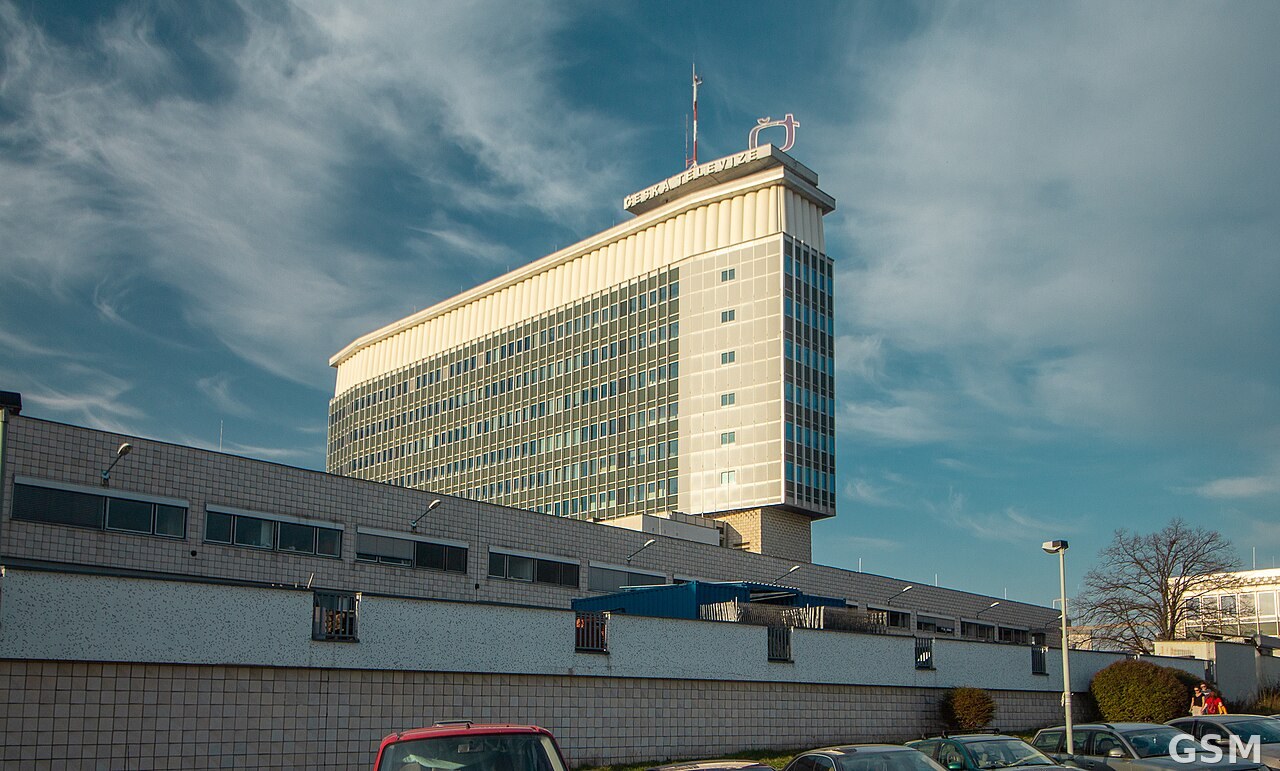
图片来源:位于布拉格 Kavci hory 的捷克电视台总部大楼(资料图)。照片:VitVit,CC BY-SA 4.0,经 Wikimedia Commons