标普道琼斯调整成长股与价值股分类规则:纳入无形资产与预期盈利,不再看过去12个月股价动能
纽约——据彭博社报道,标普道琼斯指数公司已采纳新的规则,对股票的成长股与价值股分类方式作出调整,相关指数的成分股或将迎来大幅调整。追踪相关指数的基金可能被迫调整持仓,以匹配新的成分股名单。
据格隆汇经新浪财经转载的报道,新规则将无形资产、预期盈利和自由现金流纳入评估因素,用于判断一家公司的股价是否相对低估;过去12个月的股价动能将不再作为衡量公司成长潜力的指标。报道称,此次调整是在近期征求意见后作出的,背景是市场长期以来对传统价值股估值指标是否仍然有效的争论——研究人员和基金经理认为,价值股长期表现低迷,部分原因在于现有衡量标准存在缺陷,尤其是市净率。不过,报道并未说明市净率是否在新规则中被删除,也未说明无形资产、预期盈利与自由现金流的具体计算方式、权重或阈值,也未列出具体受影响指数的名称与成分股名单。
新规则将于12月21日市场开盘前的年度指数重组中正式生效(报道未明标年份)。行业研究分析师 James Seyffart 估计,至少有3,750亿美元的被动型基金资金与受影响的指数挂钩;这一数字为估计值,并非已发生的调仓金额。
(GSM 据彭博社报道及格隆汇经新浪财经转载的报道整理)
S&P Dow Jones Revises Growth/Value Classification Rules: Intangibles, Expected Earnings and Free Cash Flow In, 12-Month Price Momentum Out
NEW YORK — S&P Dow Jones Indices has adopted new rules for classifying stocks as growth or value, setting the two investment styles up for an overhaul, according to Bloomberg. Constituents of the affected indexes could see a major reshuffle, and funds tracking them may be forced to adjust holdings to match the new constituent lists.
Under the new rules, as reported by Gelonghui via Sina Finance, intangible assets, expected earnings and free cash flow will be factored into the assessment of whether a company's shares are relatively undervalued, while price momentum over the past 12 months will no longer be used as a measure of a company's growth potential. The report said the change followed a recent consultation and comes amid a long-running debate over whether traditional value-stock valuation metrics remain valid: researchers and fund managers believe value stocks' long underperformance partly reflects flaws in existing measures, especially the price-to-book ratio. The report did not say whether the price-to-book ratio itself is removed under the new rules, nor did it give the specific calculations, weights or thresholds for the new factors, or name the affected indexes or their constituents.
The new rules will take effect at the annual index reconstitution before the market opens on December 21 (the report does not state the year). Industry research analyst James Seyffart estimates that at least $375 billion in passive fund money is linked to the affected indexes; that figure is an estimate, not an actual rebalancing amount.
(GSM, from Bloomberg and Gelonghui via Sina Finance)
来源:GSM·美国(原文链接)
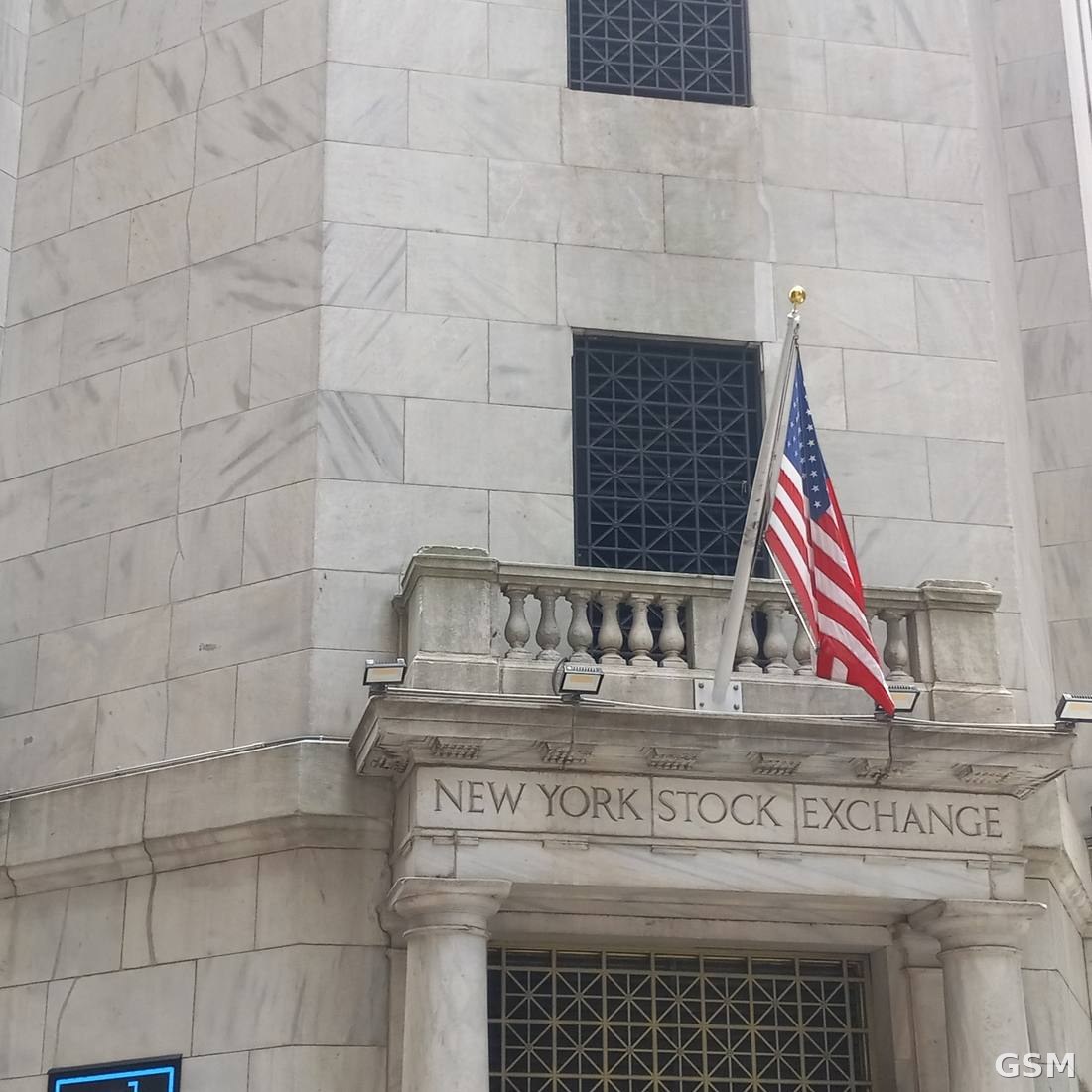
图片来源:纽约证券交易所大楼,2024年6月,资料图。照片:Kidfly182,CC BY 4.0,经 Wikimedia Commons