历史上的今天:10月23日,全球与中国历史大事
10月23日这一天,在不同年代、不同国家留下了多条被史书记载的大事。GSM「历史上的今天」栏目逐条回权威来源核实,只述事实:从1911年飞机第一次用于战争侦察,到1942年与1944年的两场二战关键战役,再到2026年中国传统节气霜降,均发生在10月23日。
1911年,意大利与利比亚:意大利与奥斯曼帝国交战期间,意大利飞行员 Carlo Piazza 上尉于10月23日驾驶一架 Blériot XI 单翼机飞越位于今利比亚境内的土耳其军防线,执行空中侦察。这是航空史与军事史上公认的第一次将飞机用于战争侦察的行动;同年11月1日,意大利飞行员又在利比亚投下第一批航空炸弹。需要说明的是,个别权威纪录对这次侦察的日期记为10月22日,多数航空史记载则为10月23日。
1942年,埃及:第二次阿拉曼战役于10月23日打响。当晚约9时40分,英国将军 Bernard Montgomery 指挥的英国第八集团军在埃及 El Alamein 一线,以近900门火炮的炮火准备发起进攻,对手是德国将军 Erwin Rommel 指挥的德意装甲集团军。战役持续至11月4日,以盟军胜利结束,被视为北非战场的转折点。
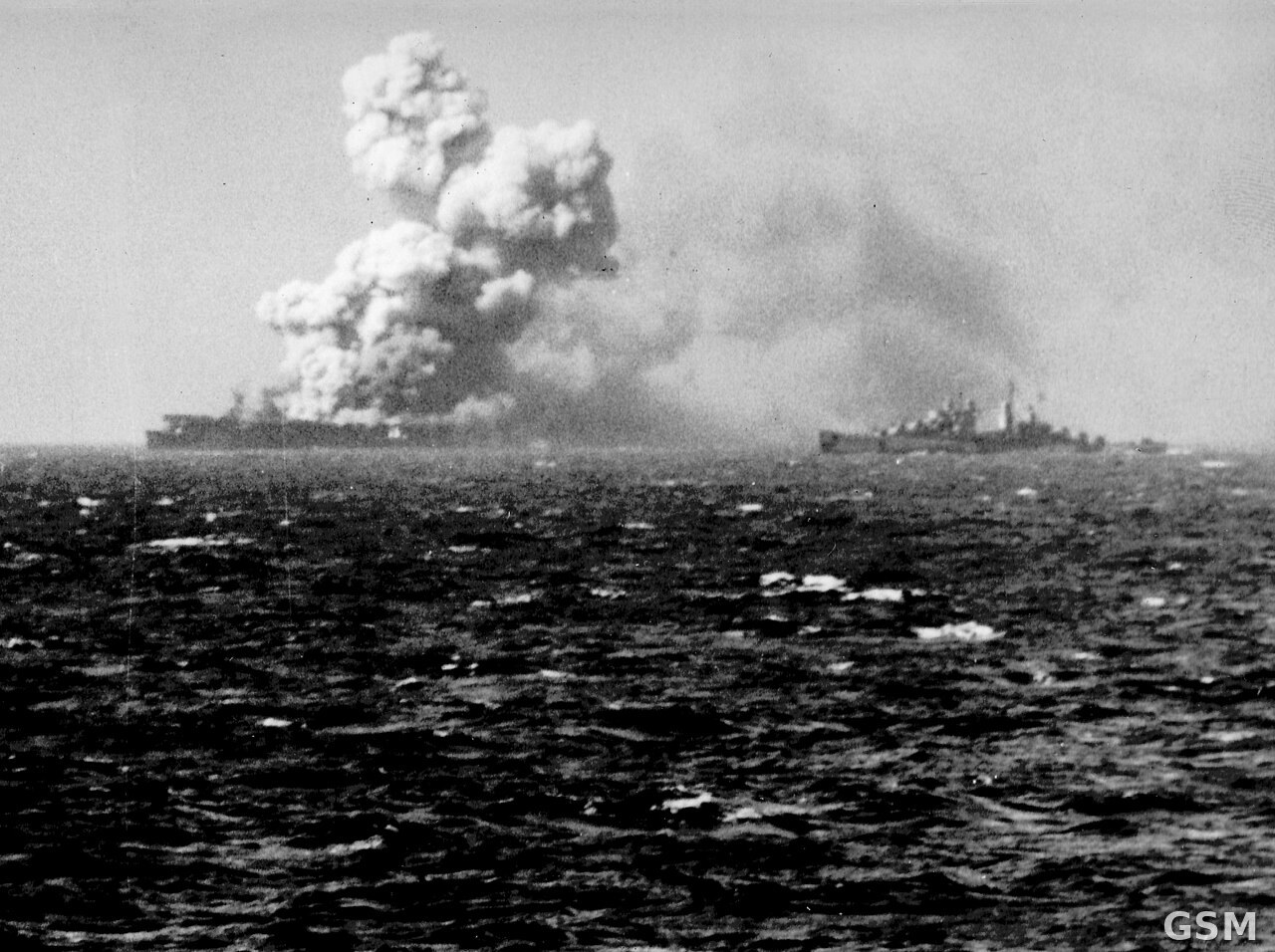
1944年,菲律宾与美国:莱特湾海战于10月23日至26日在菲律宾 Leyte 湾周边海域展开,美国与澳大利亚盟军舰队迎战日本海军。据大英百科全书记载,此战重创日本联合舰队,保障了美军在菲律宾的登陆,并巩固了盟军对太平洋的控制;此战也是日本飞机首次实施有组织的神风特攻的战役。
1954年,法国与德国:10月23日,各国在法国 Paris 签署统称为《巴黎协定》的一系列文件。据美国国务院历史办公室保存的外交文件,当天下午签署了结束对西德占领状态的议定书,以及邀请西德加入《北大西洋公约》的议定书。《巴黎协定》随后于1955年5月5日生效,西德恢复主权国家地位并加入北约的路径就此确立。
1956年,匈牙利:10月23日,匈牙利首都 Budapest 爆发大规模学生与市民游行,提出政治与经济改革、苏军撤出等要求;游行与安全部队发生冲突后,事态演变为全国性革命。次日,Imre Nagy 再次出任总理。11月初苏联军队大规模介入,革命被镇压;据大英百科全书记载,战斗造成约2500名匈牙利人死亡。
1983年,黎巴嫩:10月23日清晨,黎巴嫩首都 Beirut 发生两起自杀式卡车炸弹袭击,目标是多国维和部队的美军与法军营房。据大英百科全书与美国海军部资料,美军海军陆战队营房爆炸造成241名美军人员死亡,其中包括220名海军陆战队员、18名水手与3名士兵;数分钟后法军营房遇袭,58名法国军人死亡。这是美国海军陆战队自第二次世界大战硫磺岛战役以来单日死亡人数最多的一天。
2001年,美国:10月23日,美国苹果公司在加州 Cupertino 的总部发布第一代 iPod。据苹果公司当日官方新闻稿,这款便携式音乐播放器内置5GB硬盘,可存放约1000首歌曲,售价399美元,宣传语为「把1000首歌装进口袋」;产品于同年11月10日正式上市。
2026年,中国:10月23日是中国传统二十四节气中的霜降。霜降是二十四节气的第十八个、秋季的最后一个节气;古代典籍《月令七十二候集解》记载「气肃而凝,露结为霜矣」,描述的正是此时节天气转冷、露水凝结成霜的物候。霜降之后,下一个节气是11月7日的立冬。
On This Day: October 23 in Global and Chinese History
October 23 has left its mark on history in different years and different countries. GSM's On This Day column has verified each item below against authoritative sources and reports the facts only, from the first use of an aircraft for wartime reconnaissance in 1911, to two pivotal Second World War battles in 1942 and 1944, to Frost's Descent, a traditional Chinese solar term, in 2026.
1911, Italy and Libya: During the Italo-Turkish War, Italian pilot Captain Carlo Piazza flew a Bleriot XI monoplane over Turkish lines in what is now Libya on October 23, carrying out an aerial reconnaissance mission. It is widely regarded as the first time an aircraft was used for reconnaissance in warfare; on November 1 that year, an Italian pilot dropped the first aerial bombs, also in Libya. A small number of authoritative records date the reconnaissance flight to October 22, while most aviation histories give October 23.
1942, Egypt: The Second Battle of El Alamein began on October 23. At about 9:40 p.m., the British Eighth Army under General Bernard Montgomery opened its offensive near El Alamein, Egypt, with an artillery barrage from nearly 900 guns, against the German-Italian Panzer Army commanded by General Erwin Rommel. The battle lasted until November 4 and ended in an Allied victory, and it is regarded as the turning point of the North African campaign.
1944, the Philippines and the United States: The Battle of Leyte Gulf was fought from October 23 to 26 in the waters around Leyte Gulf in the Philippines, between combined U.S. and Australian forces and the Imperial Japanese Navy. According to Encyclopaedia Britannica, the battle crippled the Japanese Combined Fleet, permitted the U.S. invasion of the Philippines, and reinforced Allied control of the Pacific; it was also the first battle in which Japanese aircraft carried out organized kamikaze attacks.
1954, France and Germany: On October 23, the documents collectively known as the Paris Agreements were signed in Paris, France. According to the diplomatic records kept by the U.S. Department of State's Office of the Historian, the signings that afternoon included the protocol ending the occupation regime in West Germany and the protocol inviting West Germany to accede to the North Atlantic Treaty. The agreements entered into force on May 5, 1955, setting West Germany on the path to restored sovereignty and NATO membership.
1956, Hungary: On October 23, a large-scale demonstration by students and citizens in Budapest, Hungary, called for political and economic reforms and the withdrawal of Soviet troops. After clashes with security forces, the protests grew into a nationwide revolution. Imre Nagy was appointed prime minister again the next day. In early November, Soviet forces intervened in strength and the revolution was crushed; according to Encyclopaedia Britannica, about 2,500 Hungarians died in the fighting.
1983, Lebanon: In the early morning of October 23, two suicide truck bombs struck the barracks of American and French members of the multinational peacekeeping force in Beirut, Lebanon. According to Encyclopaedia Britannica and U.S. Navy records, the blast at the U.S. Marine barracks killed 241 American service members, including 220 Marines, 18 sailors and three soldiers; minutes later, an attack on the French barracks killed 58 French service members. It was the deadliest single day for the U.S. Marine Corps since the Battle of Iwo Jima in the Second World War.
2001, the United States: On October 23, Apple introduced the first iPod at its headquarters in Cupertino, California. According to Apple's press release issued that day, the portable music player carried a 5GB hard drive holding about 1,000 songs, was priced at $399, and was promoted with the line "1,000 songs in your pocket." It went on sale on November 10 that year.
2026, China: October 23 is Frost's Descent (Shuangjiang), one of China's traditional 24 solar terms. It is the 18th solar term and the last one of autumn. The ancient Chinese text Collected Explanations of the 72 Seasonal Divisions describes the term as the time when the air turns cold and dew congeals into frost. The next solar term, the Beginning of Winter, falls on November 7.
来源:GSM·美国(原文链接)
图片来源:图:1944年莱特湾海战期间,美国海军轻型航母 Princeton 号(CVL-23)于1944年10月24日遭日机轰炸后起火爆炸,旁为前来救援的 Reno 号轻巡洋舰(CL-96)。美国海军官方照片,公共领域,经维基共享资源发布。Photo: The U.S. Navy light aircraft carrier USS Princeton (CVL-23) burning after being bombed by a Japanese aircraft on October 24, 1944, during the Battle of Leyte Gulf, with the light cruiser USS Reno (CL-96) alongside. Official U.S. Navy photograph, public domain, via Wikimedia Commons.