美国航天局 Roman 太空望远镜进入最后调试阶段:观测台已确认全面正常工作
美国国家航空航天局(National Aeronautics and Space Administration,NASA)10月22日发布任务博客称,Nancy Grace Roman 太空望远镜任务已完成观测台与主仪器的全面检查和性能优化,现进入科学调试阶段,这是其投入科学观测前的最后一个调试阶段。
Roman 高级项目科学家 Julie McEnery 在位于 Maryland 州 Greenbelt 的 NASA 戈达德太空飞行中心表示:「我们已经确认观测台全面正常工作。望远镜可以导星并曝光,数据传输正常,我们可以从一个目标转向另一个目标进行观测。现在我们正在深入研究图像质量的细节。」
NASA 称,调试过程迄今顺利,观测台已通过多项高难度测试,包括在恒星密集区域和被浓厚尘埃遮蔽的星云区域锁定目标,精细制导系统在各种情况下表现良好。团队接下来将进行一系列精心规划的测试观测,以标定仪器对光的响应、进一步优化图像质量,然后转入科学运行。
Roman 宽场仪器科学家 Josh Schlieder 说,在一次典型观测中,Roman 能看到比人眼可探测极限暗一亿倍的天体。NASA 称,部分系统的表现甚至优于设计要求,可能开启新的科学能力。
来源:GSM·美国
NASA's Roman Space Telescope Enters Final Commissioning Phase
NASA said in a mission blog post on October 22 that its Nancy Grace Roman Space Telescope has entered the science commissioning phase, having successfully completed a comprehensive checkout and refinement of the observatory and primary instrument performance.
"We've established that the observatory is fully functional," said Julie McEnery, Roman's senior project scientist at NASA's Goddard Space Flight Center in Greenbelt, Maryland. "The telescope can guide and take exposures, data flows appropriately, and we can slew from one place to another for observations. So now we're drilling into the fine details of the quality of the images we're collecting."
NASA said the commissioning process is going smoothly and the observatory has already passed several challenging tests, including observing regions packed with stars and nebulae shrouded by dense dust, where the fine guidance system performed well in all cases. The team is now performing planned test observations to characterize performance, calibrate how the instruments respond to light, and refine image quality before transitioning to science operations.
Josh Schlieder, Roman's Wide Field Instrument scientist at NASA Goddard, said a typical Roman observation will show objects a hundred million times fainter than the human eye can detect. Some of the observatory's systems are performing even better than required, NASA said, which could open up new scientific capabilities.
Source: GSM, United States
来源:GSM·美国(原文链接)
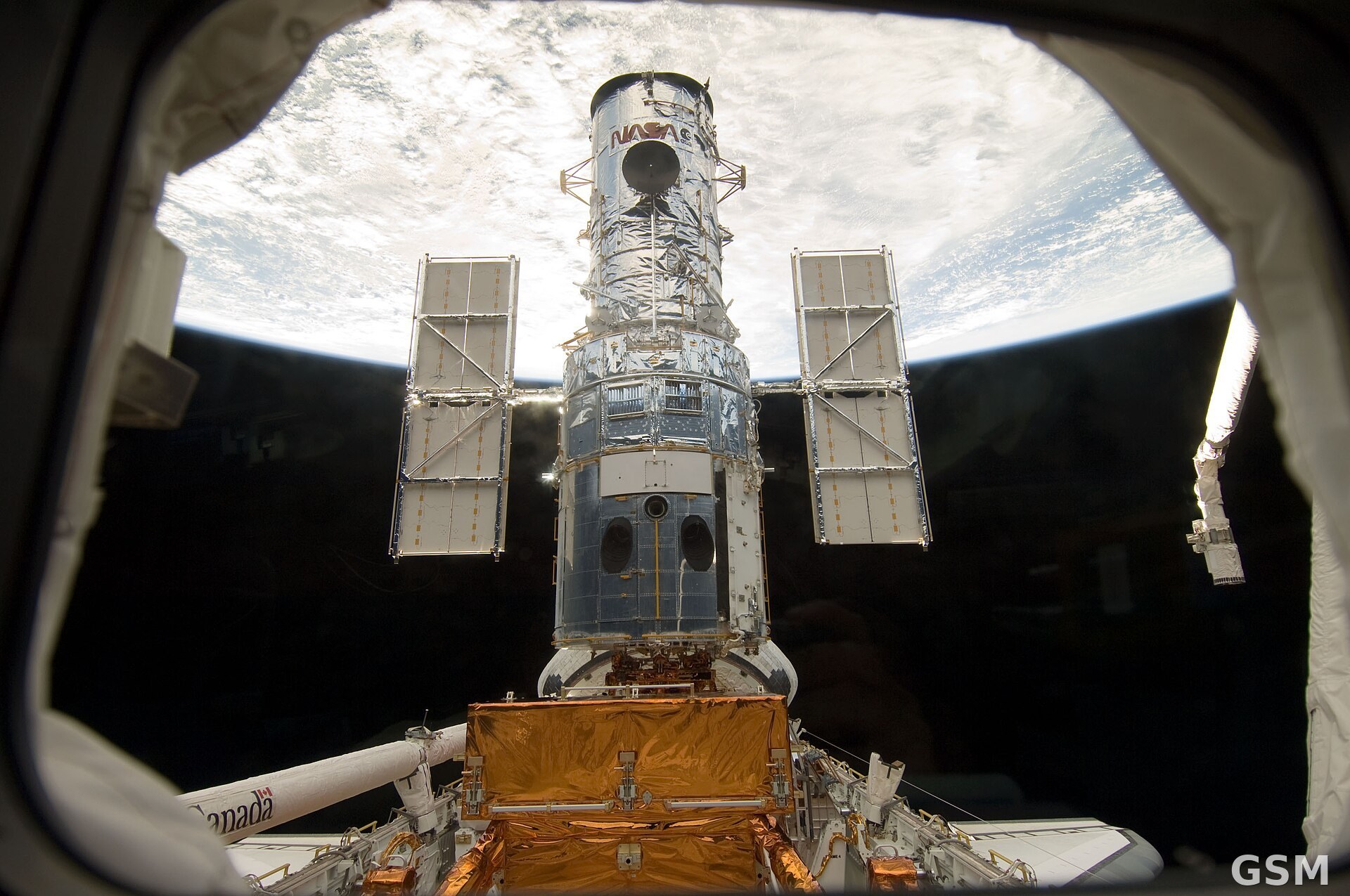
图片来源:图:太空望远镜(资料图),经 Wikimedia Commons。Photo: A space telescope (file photo), via Wikimedia Commons.