中巴贸易前三季度达1433亿美元创新高:巴西对华出口847亿美元 原油激增49%
巴西—中国企业家委员会(CEBC)本周发布的季度盘点显示,依据巴西发展、工业、贸易和服务部外贸秘书处(Secex)的统计,2026年1至9月中国与巴西双边贸易额达1433亿美元,同比增长11.1%,创历史同期最高纪录。中国占巴西对外贸易总额的28.3%,继续是巴西第一大贸易伙伴。
期内,巴西对中国出口847亿美元,同比增长12%;自中国进口586亿美元,增长9.9%;巴西对华贸易顺差261亿美元,相当于巴西同期对全球贸易顺差总额的42%。中国吸收了巴西出口总额的29.7%,并供应其进口总额的26.4%。
大豆仍是巴西对华出口第一大商品,出口额300亿美元、增长3.6%,中国买走巴西所出口大豆的约七成。原油出口额激增49%至218亿美元,升为巴西对华第二大出口商品,中国吸收了巴西出口原油的约一半。大豆、原油与铁矿砂三项合计,占巴西对华出口的77%以上。
牛肉走势相反:巴西对华牛肉年度配额用满之后,9月对华牛肉出口额降至6830万美元,不到去年同期的十五分之一;超出配额的出货除12%的常规关税外,另被加征55%的附加税。禽肉及杂碎则是另一番景象,出口额增长113%、出口量增长86%;高粱出口1.7亿美元,中国占巴西高粱出口的95%;玉米干酒糟(DDG)出口1.113亿美元,中国占53%;锂辉石出口增长339%至1.723亿美元;铜矿砂出口增长7.8%。
进口方面,巴西自中国进口的纯电动汽车金额增长341%,混合动力汽车增长248%,插电式混合动力汽车增长89%;巴西购买的中国产电动与混合动力汽车合计59亿美元,约占自华进口总额的一成。巴西今年7月将相关进口关税提高至35%后,7月和8月的汽车进口一度回落,9月恢复至较高水平。除草剂与存储芯片也是巴西主要自华进口商品。
2025年全年,中巴贸易额为1710亿美元、巴西对华出口为1000亿美元,双双创下当时的历史纪录。按今年前三季度的节奏,2026年全年双边贸易额与巴西对华出口额有望再超去年。
China-Brazil Trade Hits Record US$143.3 Billion in First Three Quarters: Brazilian Exports to China Reach US$84.7 Billion as Crude Shipments Surge 49%
China-Brazil trade reached a record US$143.3 billion in the first nine months of 2026, up 11.1 percent year on year, according to a quarterly review released this week by the Brazil-China Business Council (CEBC), based on figures from the Foreign Trade Secretariat (Secex) of Brazil's Ministry of Development, Industry, Trade and Services. China accounted for 28.3 percent of Brazil's total foreign trade and remained the country's largest trading partner.
Brazilian exports to China rose 12 percent to US$84.7 billion between January and September, while imports from China grew 9.9 percent to US$58.6 billion. Brazil's bilateral surplus of US$26.1 billion was equivalent to 42 percent of its overall trade surplus with the world in the period. China took 29.7 percent of all Brazilian exports and supplied 26.4 percent of its imports.
Soybeans remained Brazil's top export to China, generating US$30 billion, up 3.6 percent, with China purchasing about 70 percent of Brazil's soybean shipments. Crude oil exports jumped 49 percent to US$21.8 billion, becoming the second-largest Brazilian export to the Chinese market, and China absorbed roughly half of all crude oil Brazil sold abroad. Together, soybeans, crude oil and iron ore accounted for more than 77 percent of Brazilian exports to China.
Beef moved in the opposite direction. After Brazil filled its annual beef quota for China, September shipments fell to US$68.3 million, less than one-fifteenth of the level a year earlier; shipments above the quota face an additional 55 percent duty on top of the standard 12 percent tariff. Poultry and offal shipments, by contrast, rose 113 percent in value and 86 percent in volume. Sorghum exports reached US$170 million, with China taking 95 percent of Brazil's sorghum sales abroad; exports of dried distillers' grains, a corn-ethanol byproduct used in animal feed, reached US$111.3 million, 53 percent of them bound for China. Spodumene, a lithium-bearing mineral, surged 339 percent to US$172.3 million, and copper ore exports grew 7.8 percent.
On the import side, the value of Brazilian purchases of Chinese battery-electric vehicles rose 341 percent, hybrid vehicles 248 percent and plug-in hybrids 89 percent. Brazil bought US$5.9 billion worth of Chinese electric and hybrid vehicles, about 10 percent of its imports from China. Vehicle imports dipped in July and August after Brazil raised the import tariff to 35 percent in July, then recovered to significant levels in September. Herbicides and memory chips were also among the leading imports from China.
For the full year 2025, China-Brazil trade reached a then-record US$171 billion, including US$100 billion in Brazilian exports. If the pace of the first nine months is sustained, both bilateral trade and Brazilian exports to China are on track to surpass those levels in 2026.
来源:GSM·美国(原文链接)
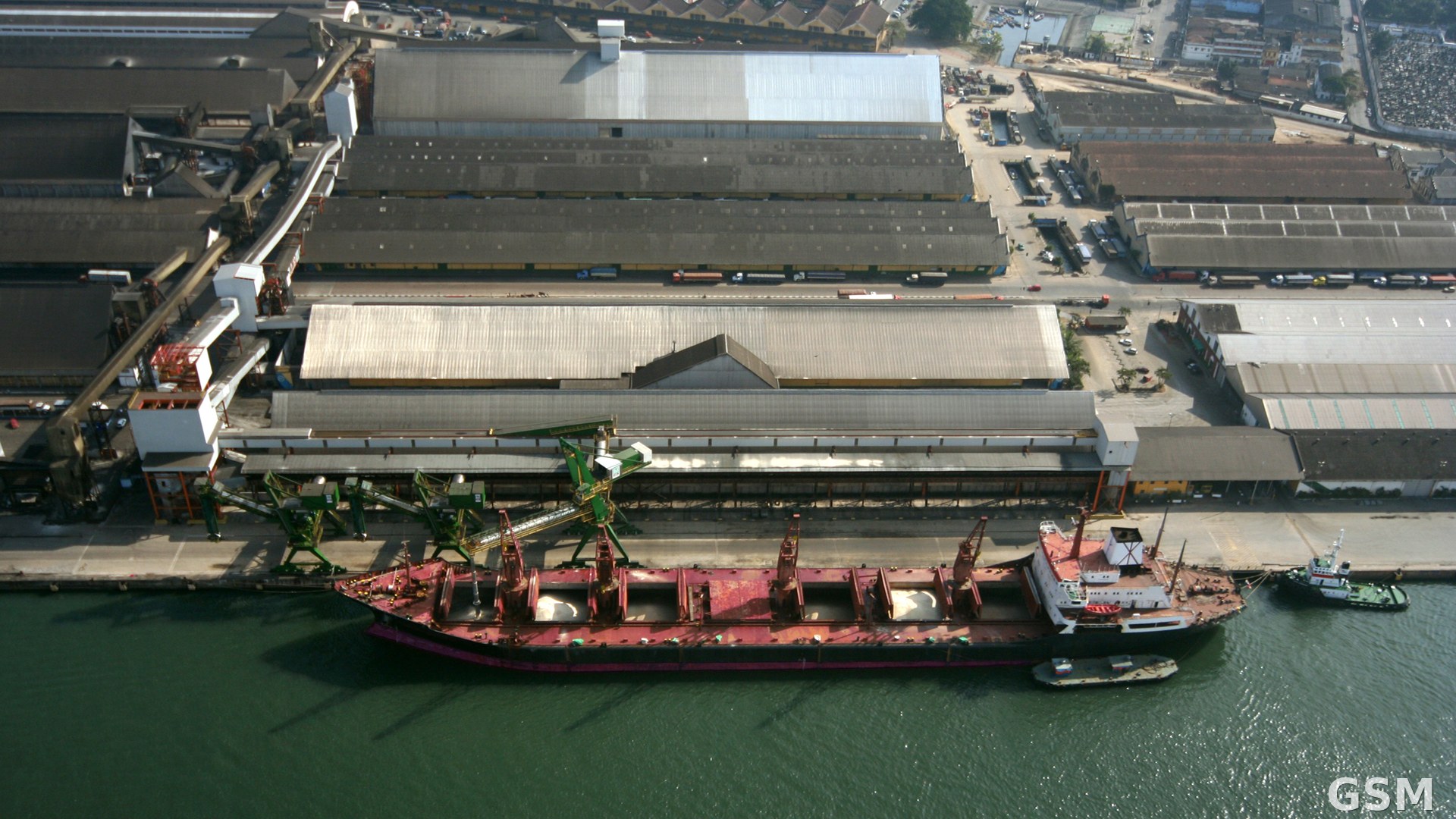
图片来源:巴西桑托斯港植物散货出口码头,散货船正在装载(资料图)。图片:Techarticles / CC BY-SA 4.0,Wikimedia Commons