财政部提出境外投资审查新规草案:适用国家扩至中国、俄罗斯等国 新增生物技术领域 委内瑞拉移出关注名单
华盛顿——美国财政部(Treasury)10月22日发布拟议规则制定通知(NPRM),依据国会在《2026财年国防授权法》中通过的《全面境外投资国家安全法》(COINS Act),对现行「境外投资安全计划」(OISP)提出更新。财政部称,该法把美国政府规管美国人部分境外投资的做法成文入法,新规将在现有计划基础上扩展。
按草案框架,美国人涉及「须通报技术」的部分交易,须向财政部通报;涉及「禁止技术」的另一些交易,则被禁止进行。交易对象是从事相关技术的「受涵盖外国人」。COINS 法案授权财政部长为五大领域订定「禁止技术」与「须通报技术」的技术参数:半导体技术与微电子、人工智能系统、量子信息技术、高性能计算与超级计算、高超音速系统;财政部长在与国会相关委员会协商并经公告评论程序后,还可增列其他能增强关注国家军事、情报、监控或网络能力的领域,财政部已据此把生物技术加入本次草案。
草案的具体内容包括:美国人(包括其受控外国实体)的适用要求、受涵盖国家安全交易的类别与定义、受涵盖外国人的范围、例外交易、各技术领域的交易技术规格、通报时须向财政部提供的信息、申请非约束性反馈与提交保密信息的程序、交易前的知识标准与合理勤勉调查要求,以及违规行为与相应处罚。
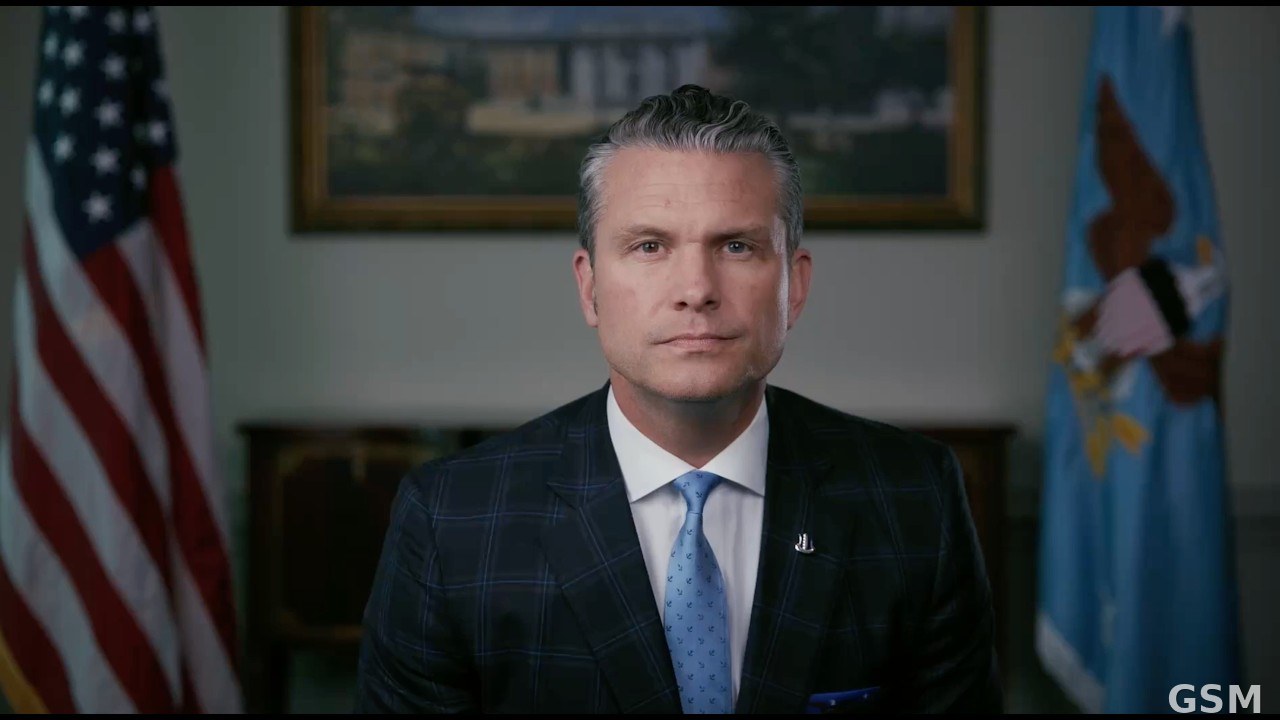
财政部长 Scott Bessent 表示,拟议规则将强化现有境外投资安全计划,防止对手利用美国投资发展威胁美国国家安全的关键技术,同时为投资者提供更清晰的规则与反馈机会。负责投资安全的助理部长 Christopher Pilkerton 表示,草案旨在应对外国对手试图借助美国投资进入关键技术领域的风险。
据路透社报道,财政部将就草案征求公众意见至12月7日,最终规则须在2027年3月前出台;COINS 法案把「关注国家」名单由原计划主要针对的中国扩大到中国、古巴、伊朗、朝鲜与俄罗斯等国,法案原文列入的「马杜罗政权下的委内瑞拉」本次被移出名单。财政部表示,马杜罗政府在今年1月马杜罗被美军抓捕后已不复存在,现由其副手 Delcy Rodriguez 领导的政府不符合法案定义,但草案仍可能适用于涉及某些委内瑞拉实体的投资。财政部官方稿本身未列意见截止日期,只说明截止日见 regulations.gov 上的正式草案文本,最终实施规则将在日后发布并订定生效日期。
境外投资安全计划自2025年1月2日起实施,最初针对与中国(含香港、澳门)有关的半导体、量子计算与人工智能交易,部分禁止、部分须通报。财政部10月7日刚依据该计划开出首张民事罚单:一家美国风险投资机构因未通报其中国子公司约9.25万美元的中国人工智能与机器人公司投资,被罚20万美元。
Treasury Proposes Expanded Outbound Investment Rules Under the COINS Act: Biotechnology Added, Venezuela Dropped From Countries of Concern
WASHINGTON — The U.S. Department of the Treasury on October 22 issued a Notice of Proposed Rulemaking (NPRM) proposing updates to the Outbound Investment Security Program (OISP) based on direction from Congress in the Comprehensive Outbound Investment Security (COINS) Act, passed as part of the Fiscal Year 2026 National Defense Authorization Act. Treasury said the COINS Act codifies the U.S. Government's approach to regulating certain outbound investments by U.S. persons and builds upon the existing OISP.
Under the proposed framework, U.S. persons would be required to notify Treasury about certain transactions involving covered foreign persons engaged in notifiable technologies, and would be prohibited from engaging in certain other transactions involving covered foreign persons engaged in prohibited technologies. The COINS Act authorizes the Secretary to prescribe technical parameters for prohibited and notifiable technologies in five sectors: semiconductor technologies and microelectronics; artificial intelligence systems; quantum information technologies; high-performance computing and supercomputing; and hypersonic systems. The Secretary may also add further technologies that enable the military, intelligence, surveillance, or cyber-enabled capabilities of a country of concern, and Treasury has accordingly added biotechnology to the proposed regulations.
The NPRM details requirements applicable to a U.S. person, including any controlled foreign entities; categories of covered national security transactions; definitions; the scope of covered foreign persons; excepted transactions; technical specifications for covered transactions in each sector; the information a notification must provide; the process for requesting non-binding feedback and submitting confidential information; the knowledge standard and expectations for a reasonable and diligent inquiry before a transaction; and conduct treated as a violation and applicable penalties.
Secretary of the Treasury Scott Bessent said the proposed regulations would strengthen the existing OISP to prevent adversaries from using U.S. investment to develop critical technologies that threaten U.S. national security, and would promote clarity and a feedback opportunity for investors. Assistant Secretary for Investment Security Christopher Pilkerton said the proposal is designed to address risks when foreign adversaries try to benefit from U.S. investment in key technology sectors.
According to Reuters, Treasury will accept comments on the proposal through December 7, with a final rule due by March 2027. The COINS Act expanded the list of countries of concern beyond China, the original program's focus, to include Cuba, Iran, North Korea and Russia; Venezuela, listed in the Act as under the regime of Nicolas Maduro, was dropped from the list. Treasury said Maduro's government no longer exists following his capture by U.S. forces in January, and that the current government, led by his deputy Delcy Rodriguez, did not meet the Act's definition, while noting the proposed rule could still apply to certain investments in Venezuelan entities. Treasury's release itself states no calendar comment deadline, saying the deadline is in the official NPRM at regulations.gov, and that final implementing regulations will follow at a later date and set an effective date.
The OISP took effect on January 2, 2025, initially covering semiconductor, quantum computing and artificial intelligence transactions connected to China, including Hong Kong and Macau, with some transactions prohibited and others notifiable. On October 7, Treasury announced the program's first civil penalty: a $200,000 fine against a U.S. venture capital firm that failed to notify Treasury of its Chinese subsidiary's roughly $92,500 investment in a Chinese AI and robotics company.
来源:GSM·美国(原文链接)
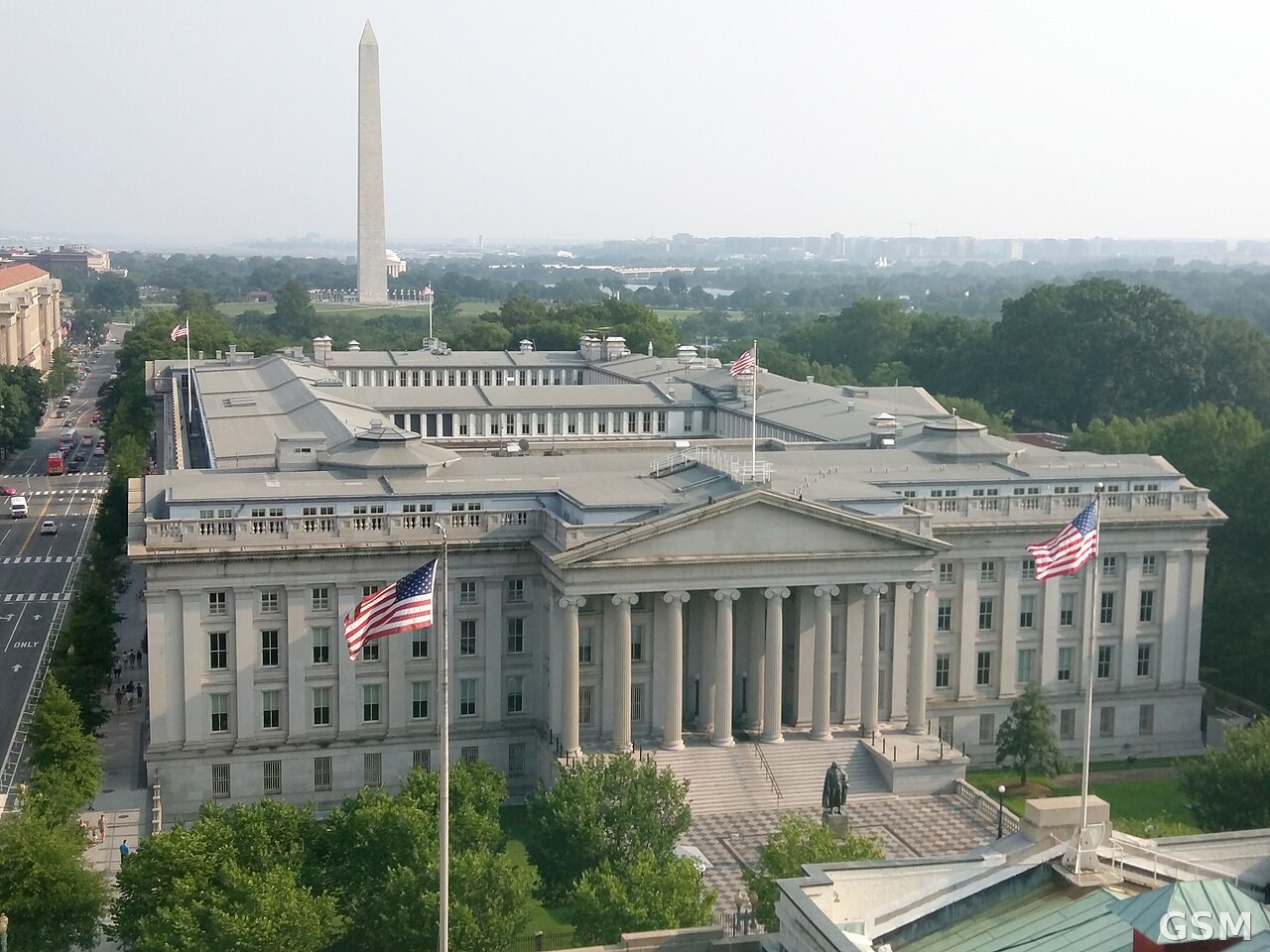
图片来源:图:位于华盛顿的美国财政部大楼(资料图),背景为华盛顿纪念碑。照片:MeanieHyaena,CC BY 4.0,经 Wikimedia Commons。 / The U.S. Department of the Treasury building in Washington, D.C., with the Washington Monument in the background (file photo). Photo by MeanieHyaena, CC BY 4.0, via Wikimedia Commons.
- 2026-10-22 15:22财政部提出境外投资审查新规草案:适用国家扩至中国、俄罗斯等国 新增生物技术领域 委内瑞拉移出关注名单本篇
- 2026-10-23 14:58中国外交部回应美方拟将生物技术列入对华投资限制:泛化国家安全概念无益于任何一方