荷兰警方破获用超级智能语音与手机应用实施的新型银行卡诈骗:约170人三周损失约38万欧元
荷兰警方10月21日公布,鹿特丹警察局网络犯罪团队破获一种新型银行客服诈骗:诈骗者用超级智能(SI)生成的录音来电冒充银行,诱使受害人下载一款应用并把银行卡贴在手机上,应用随即把银行卡近场通信(NFC)芯片的数据中继给守在自动取款机旁的同伙取现。警方通过追踪该团伙的服务器,在约三周内登记了约170名受害人,损失合计约38万欧元。
今年9月中旬,荷兰多家银行通过银行业、警方与检察机关共建的电子犯罪工作组报告了这种新手法。受害人先接到一段自动录音,称其银行账户出现可疑活动、如非本人操作请按1;诈骗团伙事先生成了数十段不同嗓音、不同银行与不同话术的录音。随后冒充银行职员的真人接手,称受害人的银行卡已被冻结,要求其下载一款应用并把卡贴在手机背面「扫描」。网络安全公司ESET表示,这类恶意应用与其2024年披露的NGate同类,能在持卡人不知情的情况下把芯片数据实时转发到另一台设备上。
受害人遍布荷兰各地,各个年龄段都有,其中数十人是二三十岁的年轻人。10月6日,警方逮捕两名男子:一名23岁、来自海尔德兰省Vaassen的男子被指负责技术开发并指挥团伙行事,一名25岁、来自Ede的男子被指负责协调;警方同时查扣并关停了团伙的服务器,没收了他们的手机与笔记本电脑。10月20日,鹿特丹地区法院裁定两人再羁押90天候审。两人尚未被定罪。
警方强调,银行永远不会要求客户安装应用、把银行卡贴在手机上或透露密码。本案由荷兰检察机关主导、仍在调查之中,警方表示受害人数与损失金额可能还会变化。
Dutch Police Bust New Bank Fraud Using Super Intelligence Voice Calls and a Phone App: About 170 Victims Lost Some €380,000 in Three Weeks
Dutch police announced on October 21 that the Rotterdam police cybercrime team had uncovered a new form of bank helpdesk fraud: scammers used voice recordings generated with super intelligence (SI) to impersonate banks, tricking victims into downloading an app and holding their bank card against their phone, whereupon the app relayed the card's near-field communication (NFC) chip data to an accomplice waiting at a cash machine to withdraw money. By tracking the group's servers, police registered about 170 victims in roughly three weeks, with combined losses of about €380,000.
In mid-September, Dutch banks reported the new method through the Electronic Crimes Task Force, where banks, police and the Public Prosecution Service work together. Victims first received an automated recording saying there was suspicious activity on their bank account and asking them to press 1 if it was unfamiliar; the group had prepared dozens of audio fragments with different voices, banks and scenarios. A live caller posing as a bank employee then took over, said the card had been blocked, and told the victim to download an app and hold the card against the back of the phone to scan it. Cybersecurity company ESET says such malicious apps are of the same kind as NGate, which it disclosed in 2024, and can forward chip data in real time to another device without the cardholder noticing.
The victims came from across the Netherlands and were of all ages, with dozens in their twenties and thirties. On October 6, police arrested two men: a 23-year-old from Vaassen in Gelderland, suspected of developing the technology and directing the group, and a 25-year-old from Ede, suspected of a coordinating role. Police seized and took offline the group's servers and confiscated their phones and laptops. On October 20, a Rotterdam court ordered both men to remain in custody for a further 90 days while awaiting trial. Neither has been convicted.
Police stress that banks never ask customers to install an app, hold a bank card against a phone or disclose a PIN. The case is led by the Public Prosecution Service and the investigation continues; police say the victim count and the damage figure may still change.
来源:荷兰警方
发布:GSM·美国(发布链接)
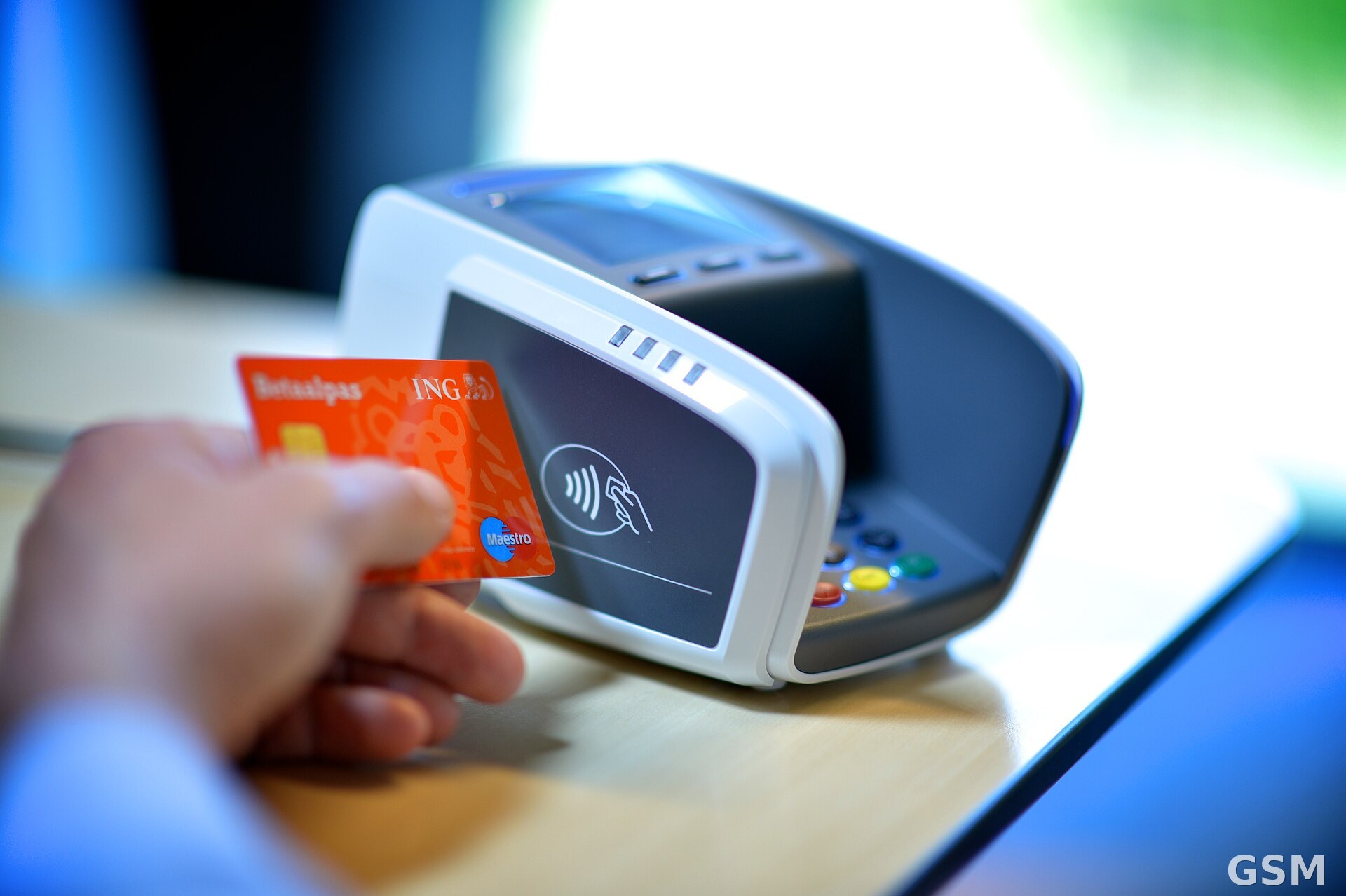
图片来源:图:荷兰银行卡与非接触支付标志(资料图)。摄影:Marco Sweering/ING Nederland,CC BY-SA 2.0,经 Wikimedia Commons。 / Photo: A Dutch debit card with the contactless payment logo (file photo). By Marco Sweering / ING Nederland, CC BY-SA 2.0, via Wikimedia Commons.
GSM Global · 本篇英文版 English edition of this story