全国铅中毒预防周10月25日至31日举行:三大联邦机构联合倡导「让孩子远离铅危害」
美国环境保护署(EPA)、疾病控制与预防中心(CDC)与住房和城市发展部(HUD)联合推动的全国铅中毒预防周(NLPPW)将于10月25日至31日举行。这一年度宣传周固定在每年10月的最后一个完整星期举行,今年与「儿童健康月」同期,2026年的主题是「让孩子远离铅危害」(Keep Kids Safe from Lead)。世界卫生组织(WHO)的第14届国际铅中毒预防周正在10月18日至24日举行,今年主题为「从检测到预防」。
三大机构为今年的预防周提出三条核心信息:了解事实,认识居家环境中的铅危害来源;给孩子做检测,通过血铅检测及早发现暴露;给住房做检测,找出并处理潜在的铅来源。EPA 已在9月1日发布今年的宣传材料包,供地方政府、学校、医疗机构与社区组织在预防周期间开展本地宣传活动使用。
据 HUD 估算,全美约有330万户有6岁以下儿童的家庭,居住在存在含铅油漆危害条件的住房中;全美约四分之三建于1978年之前的住宅至今仍含有含铅油漆,剥落的油漆、含铅灰尘与受污染的土壤是最常见的儿童铅暴露来源。CDC 表示,儿童血液中不存在已知安全的铅含量,即使很低的血铅水平也与智力、注意力、行为和学业表现受损相关,6岁以下儿童因身体发育快、常把手或物品放进口中而最易受影响。
在检测方面,血铅检测是确认儿童是否铅中毒的最可靠方式,许多铅中毒儿童没有明显症状。CDC 的儿童血铅参考值为每分升3.5微克,参加 Medicaid 的儿童按规定须在12个月和24个月大时接受血铅检测。EPA 的预防周页面同时列出1978年前住房在出售或出租时须披露已知含铅油漆信息的联邦规定,以及聘请获认证机构检测住房与饮用水中铅含量的渠道。
National Lead Poisoning Prevention Week Runs October 25-31: EPA, CDC and HUD Jointly Promote "Keep Kids Safe from Lead"
National Lead Poisoning Prevention Week (NLPPW), jointly promoted by the U.S. Environmental Protection Agency (EPA), the Centers for Disease Control and Prevention (CDC) and the U.S. Department of Housing and Urban Development (HUD), will be observed October 25-31, 2026. The annual observance falls in the last full week of October, which is also Children's Health Month, and the 2026 theme is "Keep Kids Safe from Lead." The World Health Organization's 14th International Lead Poisoning Prevention Week is running this week, October 18-24, under the theme "From Detection to Prevention."
The three agencies frame this year's campaign around three key messages: get the facts and learn about lead hazards in the home environment; get your child tested through a blood lead test for early detection; and get your home tested to identify and address potential lead sources. On September 1, the EPA released this year's outreach materials for local governments, schools, health care providers and community organizations to use in local events during the week.
HUD estimates that about 3.3 million U.S. families with a child under age 6 live in homes with conditions that could expose their children to lead-based paint hazards. Roughly three-quarters of U.S. homes built before 1978 still contain some lead-based paint, and deteriorated paint, lead dust and contaminated soil are the most common sources of childhood lead exposure. The CDC says no safe level of lead in children's blood has been identified, and even very low levels are linked to negative effects on intellect, concentration, behavior and academic achievement, with children under 6 most vulnerable because their bodies are still developing and they frequently put hands or objects in their mouths.
A blood lead test is the most reliable way to find out whether a child has been exposed, and many affected children show no visible symptoms. The CDC's blood lead reference value is 3.5 micrograms per deciliter, and children enrolled in Medicaid are required to receive blood lead tests at 12 and 24 months of age. The EPA's NLPPW page also sets out the federal rule requiring disclosure of known lead-based paint information when homes built before 1978 are sold or rented, and channels for certified testing of homes and drinking water.
来源:GSM·美国(原文链接)
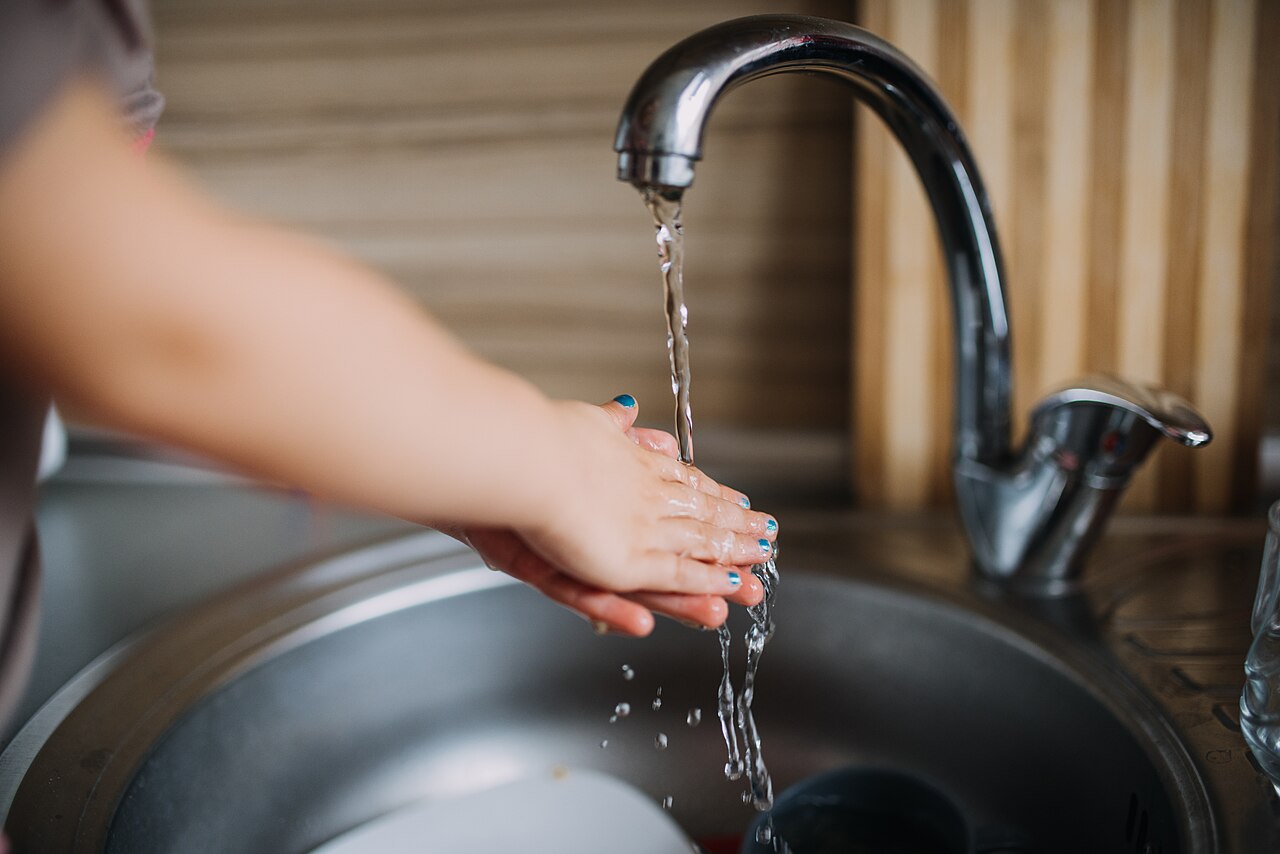
图片来源:图:儿童在厨房水槽的水龙头下洗手。勤洗儿童的手与玩具是联邦机构列出的减少铅暴露日常做法之一。Shixart1985 摄,CC BY 2.0,经 Wikimedia Commons。