FDA发布处方药配套软件最终指南:明确应用何时须写入药品说明书、何时按促销材料监管
美国食品药品监管局(Food and Drug Administration, FDA)10月20日发布最终指南《处方药使用相关软件监管考量》(Regulatory Considerations for Prescription Drug Use-Related Software, PDURS)。指南为制药企业与技术开发者提供框架,说明与处方药配套使用的软件、如手机应用,应如何开发、分发与标注。总部位于马里兰州 Silver Spring 的 FDA 表示,最终指南自发布之日起适用。
该指南适用于由申办方随其一种或多种处方药或生物制品分发、供患者或医护人员使用的软件功能,包括症状追踪、用药提醒、健康辅导,以及与医疗器械联动的软件。FDA 在指南中说明,这类软件向终端用户展示的内容(即「终端用户输出」)属于处方药标签的一种形式;指南明确了应用内容在什么情况下必须提交 FDA、什么情况下应写入药品的处方信息(说明书),以及企业须向监管机构提供哪些信息。
按指南,与医疗器械相连的软件、如与哮喘吸入器配套并直接读取器械数据的软件,一般应写入相关药品的说明书。独立应用、如仅做症状追踪、用药提醒或辅导的应用,只有在该软件对药品的安全有效使用必不可少、或有证据显示其带来有意义的临床获益时,才应列入说明书。在大多数情况下,配套应用向患者展示的信息将按促销标签材料对待,与 FDA 对其他形式药品广告的处理一致,须在首次发布时按规定向 FDA 提交;不改变终端用户输出的软件更新、如安全补丁,则无须提交。
FDA 在判断软件输出属于「FDA 要求标签」还是「促销标签」、以及软件功能是否应写入处方信息时,会综合考虑多项因素,包括软件功能是否对产品的安全有效使用必不可少、使用软件是否有临床获益证据,以及软件是否依赖组合产品器械部分直接传输的数据。FDA 表示,该指南旨在减少药企与技术开发者的监管不确定性,同时维持药品安全与有效性的标准。
FDA Issues Final Guidance on Prescription Drug Use-Related Software: Clarifies When Apps Belong in Drug Labeling and When They Are Promotional
The U.S. Food and Drug Administration (FDA) on October 20 issued its final guidance, Regulatory Considerations for Prescription Drug Use-Related Software (PDURS), providing a framework for how companion software, such as mobile apps, associated with prescription drugs will be regulated. The guidance clarifies how drug companies can develop, distribute and label apps used alongside their prescription medicines, and takes effect upon issuance. The FDA is headquartered in Silver Spring, Maryland.
The guidance covers software functions distributed by or on behalf of a sponsor for use with one or more of its prescription drugs or biologics, including software that tracks symptoms, provides reminders or coaching, and software linked to medical devices. The FDA treats the content displayed to end users of such software — the end-user output — as a type of prescription drug labeling. The guidance outlines when content in these apps must be submitted to the FDA, when the apps should be referenced in a drug's prescribing information, and what information companies need to provide to the regulator.
Under the guidance, apps linked to medical devices, such as software paired with an asthma inhaler that relies on data transferred directly from the device, should generally be included in the associated drug's label. Standalone apps that track symptoms, provide reminders or offer coaching should be listed in the label only if they are essential for the medicine's safe and effective use or offer a meaningful clinical benefit supported by evidence. In most cases, information displayed to patients through a companion app will be treated as promotional labeling, consistent with the regulator's approach to other forms of drug advertising, and must be submitted to the FDA at the time of initial dissemination; software updates that do not alter the end-user output, such as security patches, do not need to be submitted.
In deciding whether software output is FDA-required labeling or promotional labeling, and whether a software function should be described in the prescribing information, the FDA weighs factors including whether the function is essential to the safe and effective use of the product, whether evidence supports a clinical benefit, and whether the software relies on data directly transferred from the device constituent part of a combination product. The FDA said the guidance intends to reduce regulatory uncertainty for drugmakers and technology developers while maintaining safety and effectiveness standards.
发布:GSM·美国(发布链接)
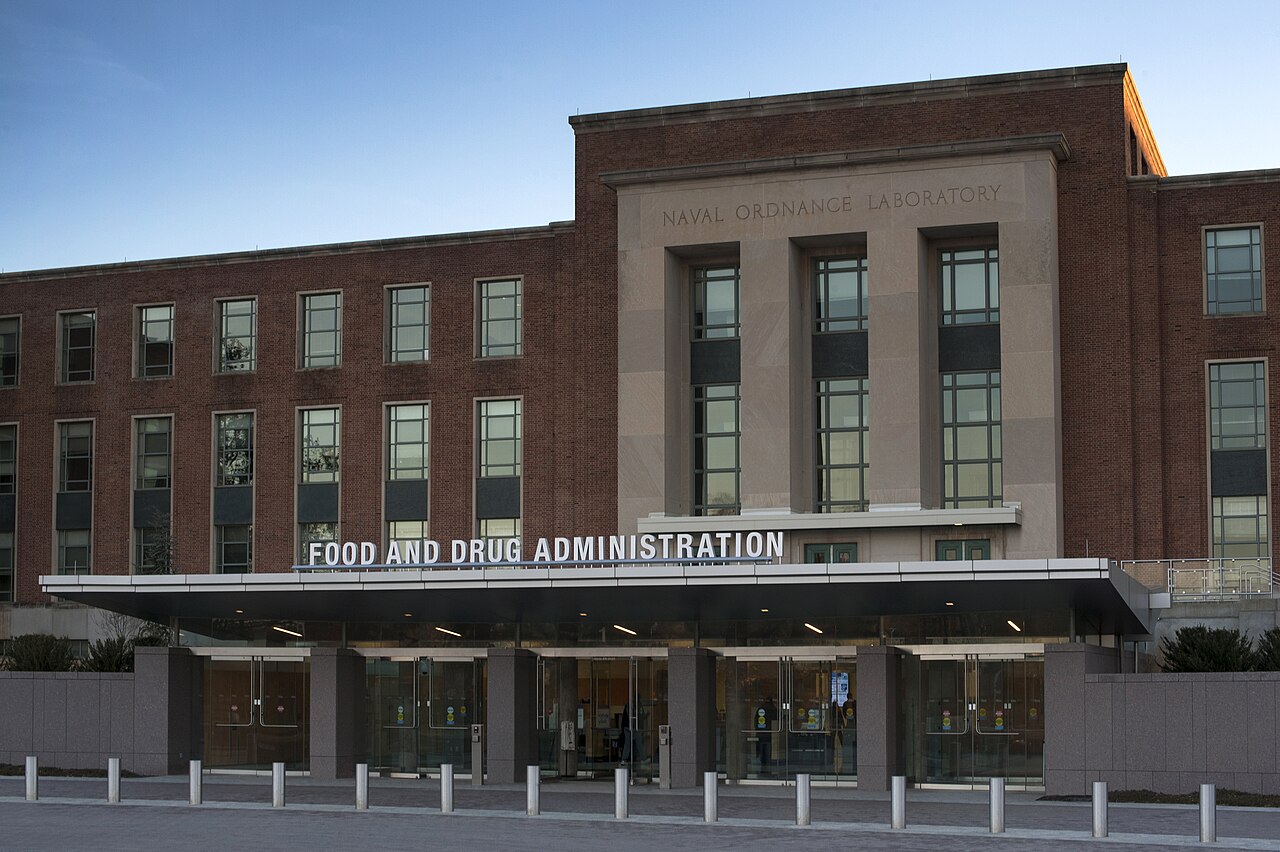
图片来源:位于马里兰州 Silver Spring 的食品药品监管局(FDA)总部 White Oak 园区入口。照片:美国食品药品监管局,公共领域,经维基共享资源/Entrance to the headquarters of the U.S. Food and Drug Administration at the White Oak campus in Silver Spring, Maryland. Photo: U.S. Food and Drug Administration, public domain, via Wikimedia Commons
GSM Global · 本篇英文版 English edition of this story