加州发布第五次气候变化评估:2050 年平均气温或升约华氏 4 度 积雪减少逾四成
加州州长办公室10月19日在 Sacramento 发布加州第五次气候变化评估的首批研究成果。这项历时数年的研究由州长办公室下属的土地利用与气候创新办公室(LCI)牵头,联合加州自然资源署、州战略增长委员会与加州能源委员会,并汇集了州政府、学术界、部落与社区伙伴的研究。
评估给出的核心图景是:到2050年,加州平均气温预计将比2010年代的水平上升约华氏4度,夏季最高气温预计上升华氏2.7至3.6度;到本世纪中叶,加州积雪预计减少40%以上,全州最多75%的海滩可能消失。
经济代价方面,评估下属的《经济影响》专题报告估算:到2050年,气候变化每年可能给加州带来高达266亿美元的健康损害,包括过早死亡、住院与生产力损失;全州家庭每年可能多支出约150亿美元用于降温、保险与修复;若未来气候与本世纪初相似,农业每年可能损失10亿至90亿美元。报告指出,高温导致的疾病与死亡、工时损失,以及更高的保险与水电账单,是目前最主要的经济损害来源。
州长纽森在发布声明中表示:「当联邦政府对科学转身背离时,加州正加倍投入气候行动,保护我们的社区,建设更安全的未来。我们把最新的科学投入使用,让全州社区拥有正面应对气候危机的工具。」
土地利用与气候创新办公室主任 Samuel Assefa 表示,第五次评估汇集了政府、学术、部落与社区伙伴多年的研究,旨在揭示气候变化将如何影响加州多样的社区,并帮助他们采取行动;评估的科学成果可成为州、地区与地方各级制定政策与投资决策的基石。
加州自2006年起发布气候变化评估,第四次评估于2018年发布;此后加州经历了破纪录的山火、灾难性的大气河流风暴、长期干旱与日益频繁的极端高温。评估的其余专题报告(气候科学、经济影响、生物多样性、农业与生态系统、气候数据)与九份地区报告将于未来数周内陆续发布,并于2027年初在圣地亚哥(San Diego)举行的州级峰会上汇总。
California Releases Fifth Climate Change Assessment: About 4 Degrees Warmer by 2050, Snowpack Down Over 40 Percent
California released the first research findings of its Fifth Climate Change Assessment on October 19 in Sacramento. The multiyear research effort was led by the Governor's Office of Land Use and Climate Innovation (LCI) together with the California Natural Resources Agency, the California Strategic Growth Council and the California Energy Commission, with state, academic, tribal and community partners.
The assessment projects that by 2050, average temperatures across California will rise by roughly 4 degrees Fahrenheit above 2010s levels, with summertime highs rising 2.7 to 3.6 degrees. By midcentury, the state's snowpack is expected to shrink by more than 40 percent, and up to 75 percent of California's beaches could be lost.
On economic costs, the assessment's Climate Impacts to the Economy report estimates that by 2050, climate change could impose up to $26.6 billion a year in health damages in California, including early deaths, hospitalizations and lost productivity; households statewide could pay some $15 billion more each year for cooling, insurance and repairs; and agriculture could lose $1 billion to $9 billion a year if future conditions resemble the extremes of the early 2000s. The largest monetized damages fall in health and labor, the report found.
"As the Trump administration turns its back on science, California is doubling down on climate action, on protecting our communities, and on building a safer future," Governor Gavin Newsom said in the release. "We are putting the latest science to work so communities across the state have the tools to confront the climate crisis head-on."
Samuel Assefa, Director of the Governor's Office of Land Use and Climate Innovation, said the Fifth Assessment reflects years of research involving government, academic, tribal and community partners, and that its climate science can serve as a cornerstone for policy and investment decisions at the state, regional and local levels.
California has completed four prior assessments since 2006, most recently in 2018. Since then the state has experienced record-breaking wildfires, catastrophic atmospheric river storms, prolonged droughts and increasingly severe extreme heat. The remaining topical reports and nine regional reports will be released over the coming weeks, ahead of a statewide summit in San Diego in early 2027.
发布:GSM·美国(发布链接)
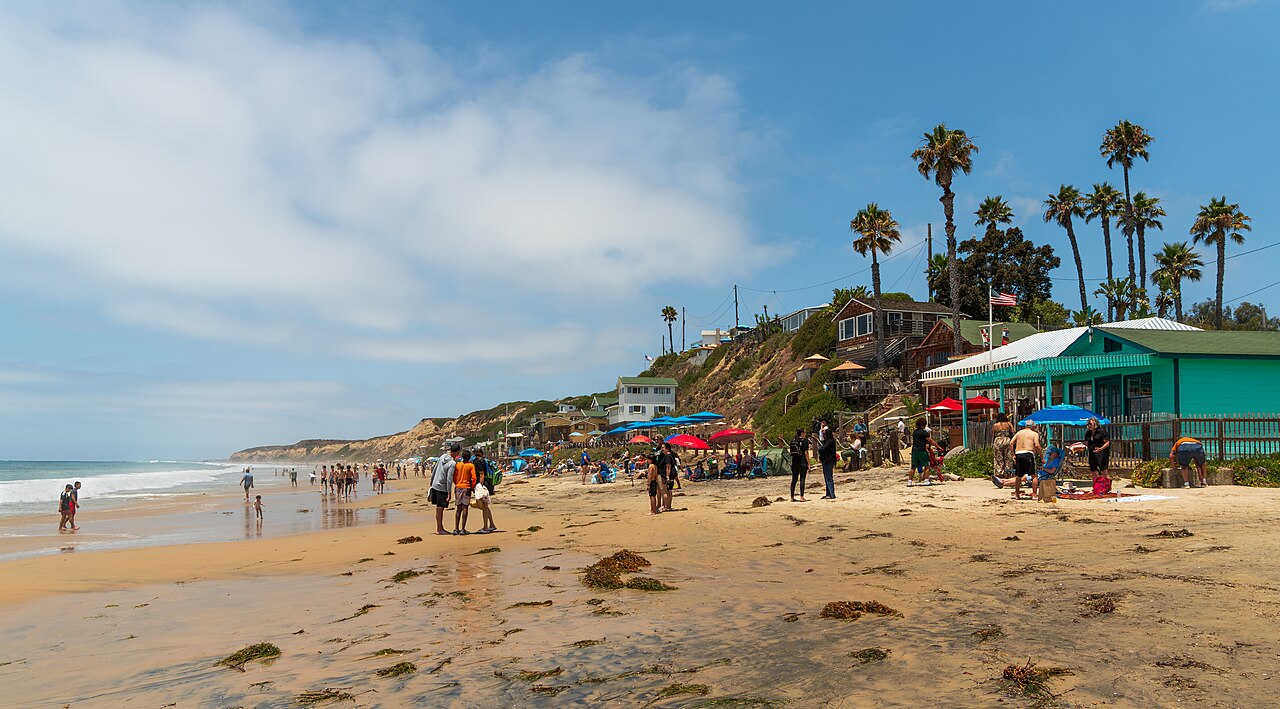
图片来源:图:位于加州橙县的 Crystal Cove 海滩。NorbertNagel 摄,维基共享资源,CC BY-SA 4.0/Photo: Crystal Cove beach in Orange County, California. By NorbertNagel, Wikimedia Commons, CC BY-SA 4.0
GSM Global · 本篇英文版 English edition of this story