华人社区:旧金山湾景区与波托拉成「新唐人街」 华人占比达27%与46%、圣布鲁诺大道华商林立
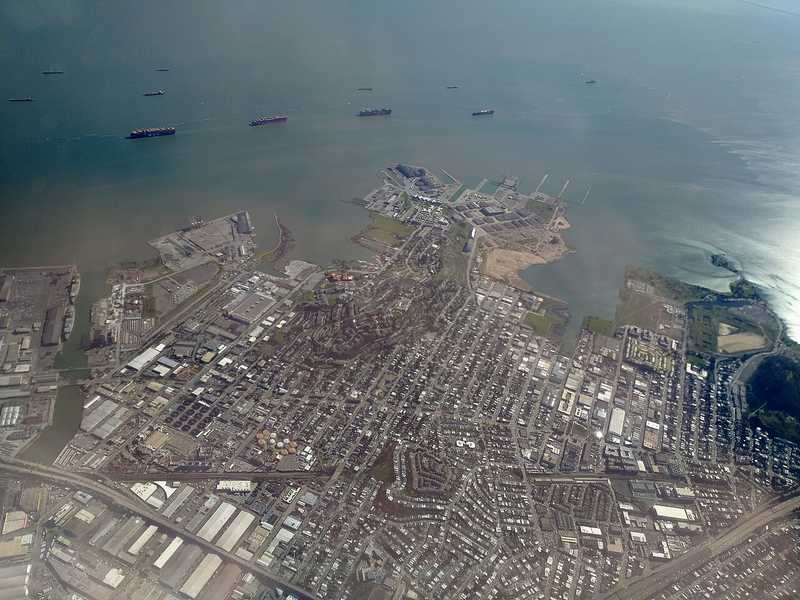
位于加州旧金山县的旧金山(市县合一),据《旧金山纪事报》10 月 19 日报道,旧金山东南部的湾景区(Bayview-Hunters Point)与波托拉区(Portola)正逐渐发展成为一座「新唐人街」:圣布鲁诺大道(San Bruno Avenue)两旁,中式面包房、港式烧腊店、奶茶店与中药铺林立,越来越多华人家庭在此安家、做生意。
美国人口普查数据显示,2020 年至 2024 年间,湾景区华人人口占比约为 27%,邻近的波托拉区则接近 46%。旧金山全市华人占比过去 20 年一直维持在略高于 20% 的水平,但传统聚居区——华埠(Chinatown)、列治文区与日落区——的华人人口有所减少;随着这些地区住房成本攀升,更多家庭转向东南部寻找相对实惠的住房。1990 年,华人占湾景区人口的 10%、波托拉区的 20%。数据显示,2010 年至 2024 年湾景区房价上涨 146%,涨幅在旧金山各社区中名列前茅;如今湾景区黑人居民约占四分之一、亚裔居民约占 40%。
这条街的华人商业始于 1991 年:来自越南的华人 Phong Duc Yen 在圣布鲁诺大道开设华人杂货铺,后来又与妻子 Lien 开了中药店和当地第一家中餐馆。他的女儿 Elaine Chan 回忆,父亲很早就看好这里的发展潜力。更早的 1980 年,来自香港的移民 Gordon Gee 以 4.2 万美元在湾景区买下一栋房子;他此前住过华埠狭小的出租房、在餐馆当服务生每小时只赚 1 美元,后来赴圣荷西读大学学习电气工程。他搬入时,当地黑人居民占比超过 70%,整条街上只有另一户华人家庭。1992 年随家人从广州移民、时年 9 岁的 Susan Liang,2018 年与丈夫在旧海军造船厂附近的新开发社区买下联排住宅;她说,如今的圣布鲁诺大道让她想起儿时生活的唐人街。2016 年来美的 Danli Xu 两年前在湾景区买房,花了略高于 100 万美元,比日落区或列治文区的类似房屋便宜约三分之一。
人口结构变化也带来摩擦:2022 年旧金山重新划分选区时,部分黑人居民反对把以亚裔和白人为主的波托拉区与湾景区划入同一选区。旧金山州立大学亚裔美国人研究教授 Russell Jeung 指出,这在社会学上被称为「族裔竞争」,即不同族裔因争夺有限资源而产生矛盾;他同时表示,亚裔美国人搬入新社区时也常面临排斥。
社区也在弥合分歧:当地非营利组织自 2010 年起每年举办结合农历新年与黑人历史月的庆祝活动,现场既有舞狮也有非洲传统音乐;由已故华裔企业家方李邦琴(Teddy Fang)2014 年创立的方李邦琴社区农场占地约一英亩,华人移民与黑人居民一起种菜。另一方面,Elaine Chan 之父经营 31 年的德鲜海鲜酒家(Imperial Garden Seafood Restaurant)虽获历史商业地位认定,仍因利润微薄将于今年 12 月结业。
A New Chinatown Rises in San Francisco's Bayview and Portola: Chinese Residents Reach 27% and 46% as San Bruno Avenue Fills With Chinese Businesses
San Francisco is a city in San Francisco County, California (a consolidated city-county). San Francisco's southeastern Bayview-Hunters Point and Portola neighborhoods are gradually becoming a "new Chinatown," the San Francisco Chronicle reported on October 19: along San Bruno Avenue, Chinese bakeries, Cantonese barbecue shops, bubble-tea stores and herbal-medicine shops line the street, and more and more Chinese families are settling and doing business there.
U.S. Census data show that between 2020 and 2024, Chinese residents made up about 27 percent of Bayview's population and nearly 46 percent of Portola's. Citywide, San Francisco's Chinese share has held just above 20 percent for two decades, but the Chinese population of the traditional enclaves — Chinatown, the Richmond and the Sunset — has declined; as housing costs rose there, more families have turned to the southeast for relatively affordable homes. In 1990, Chinese residents were 10 percent of Bayview and 20 percent of Portola. Bayview home prices rose 146 percent between 2010 and 2024, among the fastest increases of any San Francisco neighborhood; Black residents now make up about a quarter of Bayview and Asian residents about 40 percent.
Chinese commerce on the street began in 1991, when Phong Duc Yen, an ethnic Chinese from Vietnam, opened a Chinese grocery on San Bruno Avenue and later, with his wife Lien, an herbal shop and the area's first Chinese restaurant. His daughter Elaine Chan recalled that her father saw the area's potential early. Earlier still, in 1980, Hong Kong immigrant Gordon Gee bought a house in Bayview for $42,000; he had lived in a cramped Chinatown rental and worked as a restaurant server for $1 an hour before studying electrical engineering in San Jose. When he moved in, Black residents were more than 70 percent of the neighborhood and his was one of only two Chinese families on the street. Susan Liang, who immigrated from Guangzhou with her family in 1992 at age nine, bought a townhouse with her husband in 2018 in a new development near the old naval shipyard; she said San Bruno Avenue now reminds her of the Chinatown of her childhood. Danli Xu, who came to the United States in 2016, bought in Bayview two years ago for a little over $1 million — about a third cheaper than a similar house in the Sunset or Richmond.
The demographic shift has also brought friction: during San Francisco's 2022 redistricting, some Black residents opposed placing the largely Asian and white Portola in the same district as Bayview. Russell Jeung, a professor of Asian American studies at San Francisco State University, said sociologists call this "ethnic competition," as different groups contend over limited resources; he added that Asian Americans moving into new neighborhoods also often face exclusion.
The community is also working to bridge divides: since 2010, local nonprofits have held an annual celebration combining Lunar New Year and Black History Month, with lion dances alongside traditional African music, and the roughly one-acre Florence Fang Community Farm, founded in 2014 by the late Chinese American businesswoman Teddy Fang, brings Chinese immigrants and Black residents together to grow vegetables. On the other hand, the Imperial Garden Seafood Restaurant, run for 31 years by Elaine Chan's father, will close this December despite its legacy-business status, as margins have thinned.
来源:GSM·美国(原文链接)
图片来源:图:旧金山湾景区、亨特斯角与烛台角鸟瞰。(Firstcultural/CC0,Wikimedia Commons)