加州总检察长发布加密诈骗防范资源 2025年全美网络诈骗损失209亿美元、加密诈骗占114亿
San Francisco——加州总检察长 Rob Bonta 10月19日宣布,针对借助加密货币实施的诈骗在全美大量发生,其办公室当天发布防范信息与资源,并公布受害人寻求追回资金的渠道。公告援引联邦调查局(FBI)互联网犯罪投诉中心的数据称,2025年美国人因网络诈骗损失209亿美元,其中114亿美元来自加密货币诈骗。
Bonta 在公告中表示,这类骗局沿用的仍是传统礼品卡与现金诈骗的心理操纵套路,只是改用数字资产加快转移资金、绕过实体环节的把关;受害者也不限于老年人,诈骗者在 Twitch、TikTok、Instagram 等平台针对 Z 世代作案的报告正急剧上升。他表示,加密货币诈骗已成为全美代价最高的网络犯罪,犯罪集团正利用生成式人工智能、深度伪造与恶意智能合约,在几分钟内掏空受害人的数字钱包。
公告列出六类常见手法:以私密影像要挟的性勒索;用语音克隆与深度伪造视频冒充亲友或名人的「AI 驱动超级骗局」;以虚假收益页面诱使受害人连接钱包、再通过恶意合约卷走资产的「流动性挖矿」骗局;在受害人识破被骗后冒充「区块链追回专家」或执法人员二次行骗的追回诈骗;拉抬低价股与虚拟货币价格后高位抛售的「拉高出货」;以及先以导师或顾问身份建立信任、再诱导受害人向克隆投资平台投入大额资金的信任诈骗。
在执法方面,公告称,由 Bonta 推动、近日签署成法的加州参议院第 1208 号法案(SB 1208)提供了新工具:执法机关凭搜查令扣押涉案数字资产后,即使作案者位于美国司法管辖之外、无法定罪,也可向法院申请将资产返还诈骗受害人;无人认领的资产将存入由加州受害人补偿委员会管理的州赔偿基金。公告还称,加州司法部近年来已关闭 100 多个诱骗受害人进行虚假投资的诈骗网站,相关受害损失至少 830 万美元,其中包括 6 个冒充联邦调查局的网站;该部正为一宗遗产加密资产案件提供顾问支持,涉案人被指将本应分给逝者年迈父母的比特币与以太币转入个人账户,盗窃时价值逾 400 万美元、如今约值 5,000 万美元。
公告称,受害人可通过加州司法部网站 oag.ca.gov/report 举报,总检察长办公室另设有专题网页,汇总识别危险信号、投诉渠道与防范要点等资源。
California AG Releases Crypto Scam Prevention Resources; U.S. Internet Scam Losses Hit $20.9 Billion in 2025
SAN FRANCISCO — California Attorney General Rob Bonta announced on October 19 that, in response to the large volume of cryptocurrency-facilitated scams occurring across the United States, his office was releasing prevention information and resources, including new avenues for victims to seek recovery of stolen funds. Citing FBI Internet Crime Complaint Center data, the announcement said Americans lost $20.9 billion to internet-based scams in 2025, $11.4 billion of it to cryptocurrency scams.
Bonta said the schemes use the same psychological playbooks as traditional gift-card and cash fraud but leverage digital assets to move money faster and bypass physical safeguards, and that reports of Gen Z victims being targeted on platforms such as Twitch, TikTok and Instagram have risen sharply. He said cryptocurrency fraud has become the nation's costliest cybercrime, with syndicates using generative AI, deepfakes and malicious smart contracts to drain digital wallets in minutes.
The announcement listed six common schemes: sextortion; AI-driven scams using voice clones and deepfake videos to impersonate loved ones or public figures; "liquidity mining" schemes that trick victims into connecting their wallets to fraudulent platforms before a malicious contract drains them; recovery fraud, in which victims are targeted a second time by fake recovery experts or impersonated law enforcement; "rug pull" schemes that hype low-priced stocks or cryptocurrencies before the promoters sell off; and confidence scams in which criminals build trust as mentors or advisers before steering victims to cloned investment platforms.
On enforcement, the announcement said Senate Bill 1208, sponsored by Bonta and recently signed into law, gives law enforcement a new tool: agencies that seize digital assets under a search warrant may petition a court to return them to fraud victims even when the perpetrators are outside U.S. jurisdiction and cannot be convicted, with undistributed assets going to the State Restitution Fund administered by the California Victim Compensation Board. It said the California Department of Justice has shut down more than 100 fraudulent websites in recent years that cost victims at least $8.3 million, including six fake FBI websites, and is advising in an estate case in which a defendant allegedly diverted Bitcoin and Ethereum — worth over $4 million at the time of the alleged theft and about $50 million today — that were to be split between the decedent's elderly parents.
Victims can report scams to the California Department of Justice at oag.ca.gov/report, and the attorney general's office has launched a webpage collecting red flags, complaint channels and precautionary resources, the announcement said.
来源:GSM·美国(原文链接)
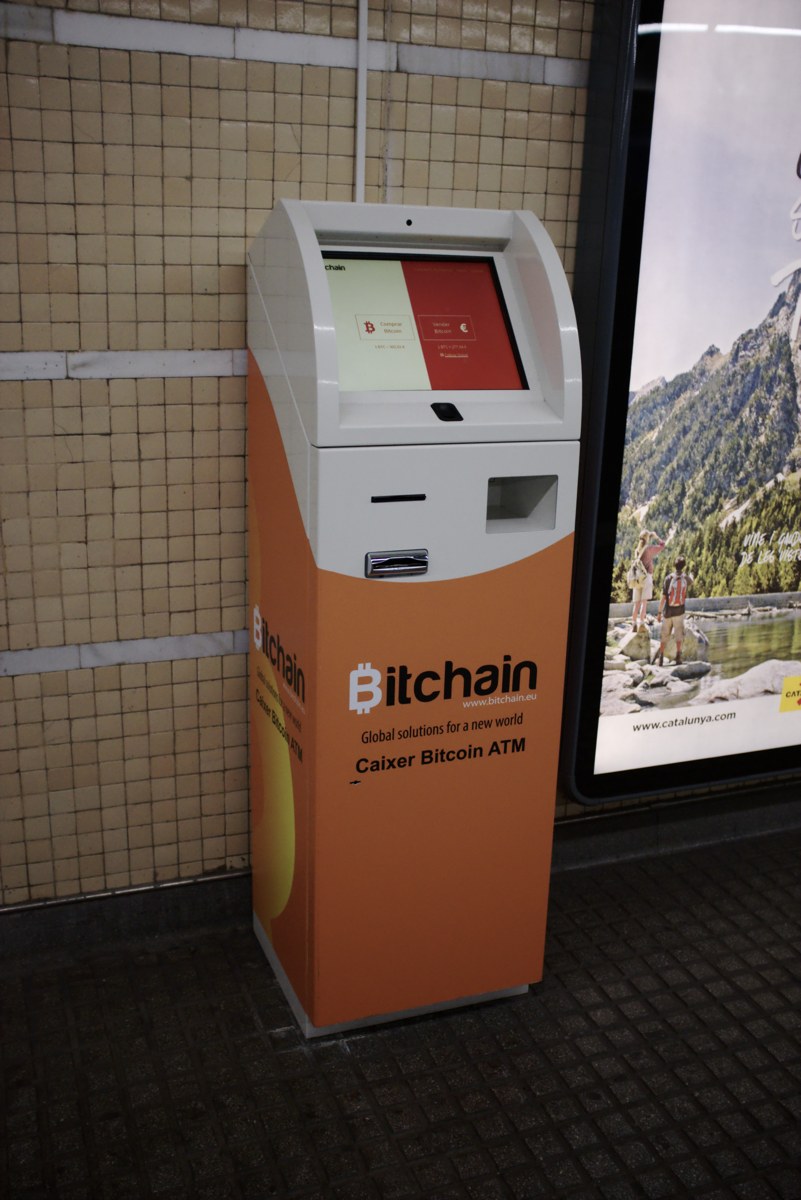
图片来源:图:一台比特币 ATM(资料照片)。Nicolas Vigier 摄,CC0 1.0 公共领域授权,经 Wikimedia Commons 发布。Photo: a Bitcoin ATM (file photo). By Nicolas Vigier, CC0 1.0, via Wikimedia Commons.