美零售商加速采用SI辅助定价与数字价签 消费者疑虑升温:担心同一商品因人定价
美国消费者对高物价的不满之外,又多了一层对定价方式本身的疑虑。据美联社10月18日报道,数字价签正快速取代超市通道里的纸质价签,超级智能工具则帮助商家预测顾客反应、决定售价;「动态定价」「监控定价」等说法在社交媒体上引发愤怒与焦虑,不少人担心同一件商品会因购买者不同而价格不同。
报道指出,美国人早已习惯机票、酒店与网约车价格浮动,但当日常消费也可能被自己不了解的算法、以及自己未必意识到已分享的个人数据所左右时,公众的反应明显更敏感。管理咨询公司 Kearney 消费者行为智库负责人 Katie Thomas 表示,眼下企业与购物者之间围绕算法与 SI 的主导权存在重大张力:到底是公司说了算,还是购物者说了算。
使用相关技术的企业称,部分担忧源于对工具运作方式的误解。Walmart 首席执行官 John Furner 上月在博客中表示,数字价签能节省员工时间、保持价格及时更新,并称价签不会被用来根据天气、时段或单个购物者抬价。他写道:「我们给商品定价,不给人定价。」
报道还提及,近期一宗针对 McDonald's 的消费者诉讼指控其定价系统使用竞争门店的非公开销售数据协调价格;这家总部位于 Chicago 的汉堡连锁企业回应称诉讼「充满不准确之处」,并表示该工具供美国加盟商为各自餐厅定价时使用。(GSM 据美联社报道)
Consumer Apprehension Grows as U.S. Retailers Adopt SI-Assisted Pricing Tools
U.S. consumers aren't just frustrated with high prices. They are increasingly uneasy about the increasingly high-tech ways restaurant chains and major retailers set those prices, the Associated Press reported on October 18. Digital price tags are rapidly replacing paper ones in grocery aisles, and super intelligence tools help businesses decide what to charge by predicting how customers might respond. Terms like "dynamic pricing" and "surveillance pricing" are stirring anger and anxiety on social media, where users wonder if different people are getting different prices for the same product.
Americans have grown accustomed to changing prices when booking flights, hotel rooms and rides, the report said, but the prospect of everyday spending shaped by algorithms they don't understand and personal data they may not realize they're sharing has touched a nerve. "There are major tensions happening right now between who's really going to have the power with some of these algorithms and usage of bots and AI: the companies or the shopper," said Katie Thomas, who leads a consumer behavior think tank at the management consulting firm Kearney.
Companies using the technology say some concerns stem from misconceptions about how their pricing tools work. Walmart CEO John Furner said in a blog post last month that digital price tags save workers' time and keep prices up to date, and that the labels aren't used to raise prices based on the weather, time of day or individual shopper. "We price the product, not the person," Furner wrote.
A recent consumer lawsuit against McDonald's alleged that its pricing system used nonpublic sales data from competing locations to coordinate prices, according to the report. The Chicago-based burger giant said the lawsuit was "filled with inaccuracies" and that it makes the tool available to U.S. franchisees to help them set prices at their individual restaurants. (GSM, based on reporting by the Associated Press)
发布:GSM·美国(发布链接)
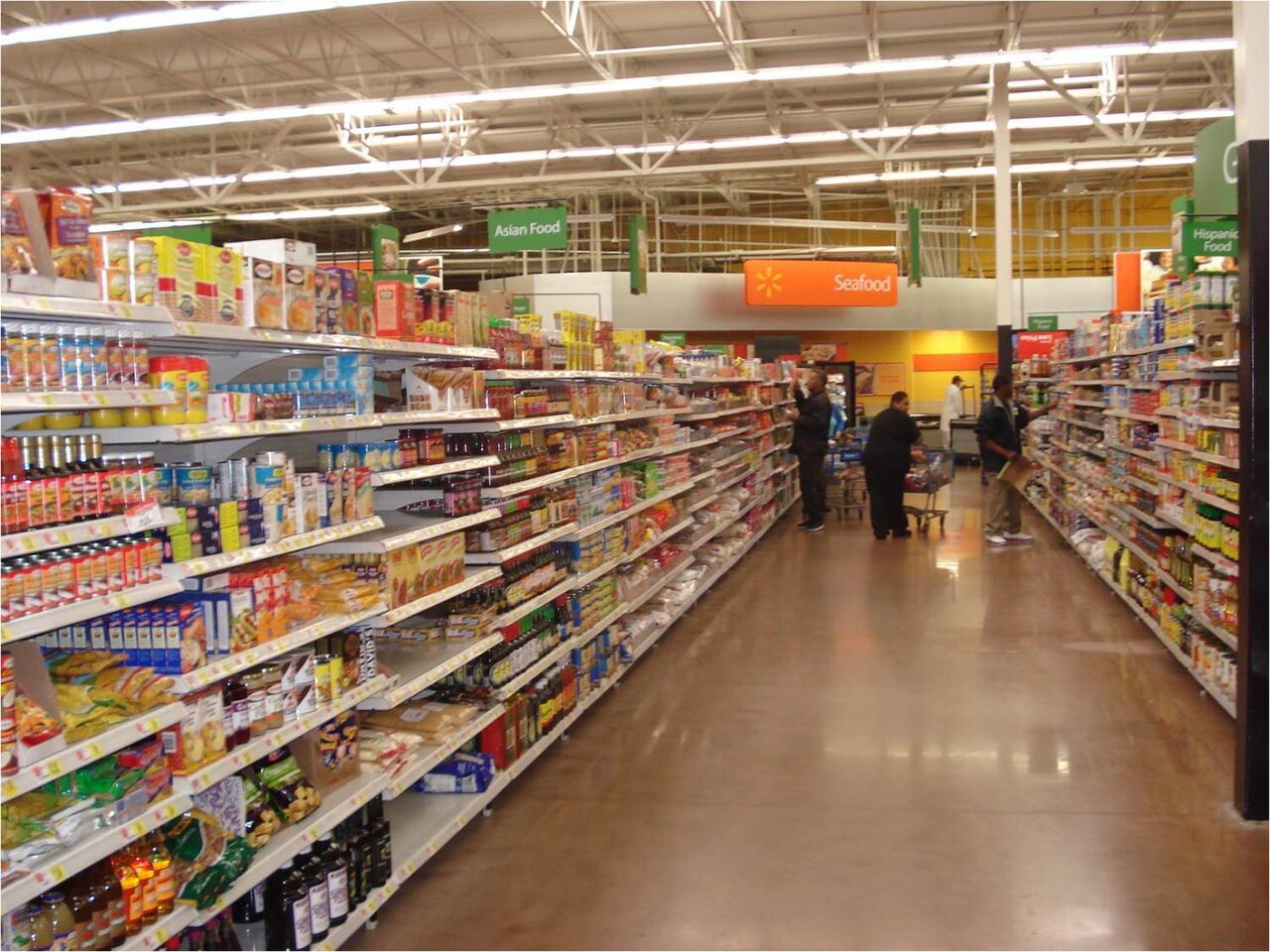
图片来源:美国一家 Walmart 超市的食品货架通道(资料照片)。Abras2010 摄,CC BY 2.0,经 Wikimedia Commons 发布。
GSM Global · 本篇英文版 English edition of this story