UC San Diego华人教授张良方获2026年麦克阿瑟奖 80万美元表彰其细胞膜纳米药物技术
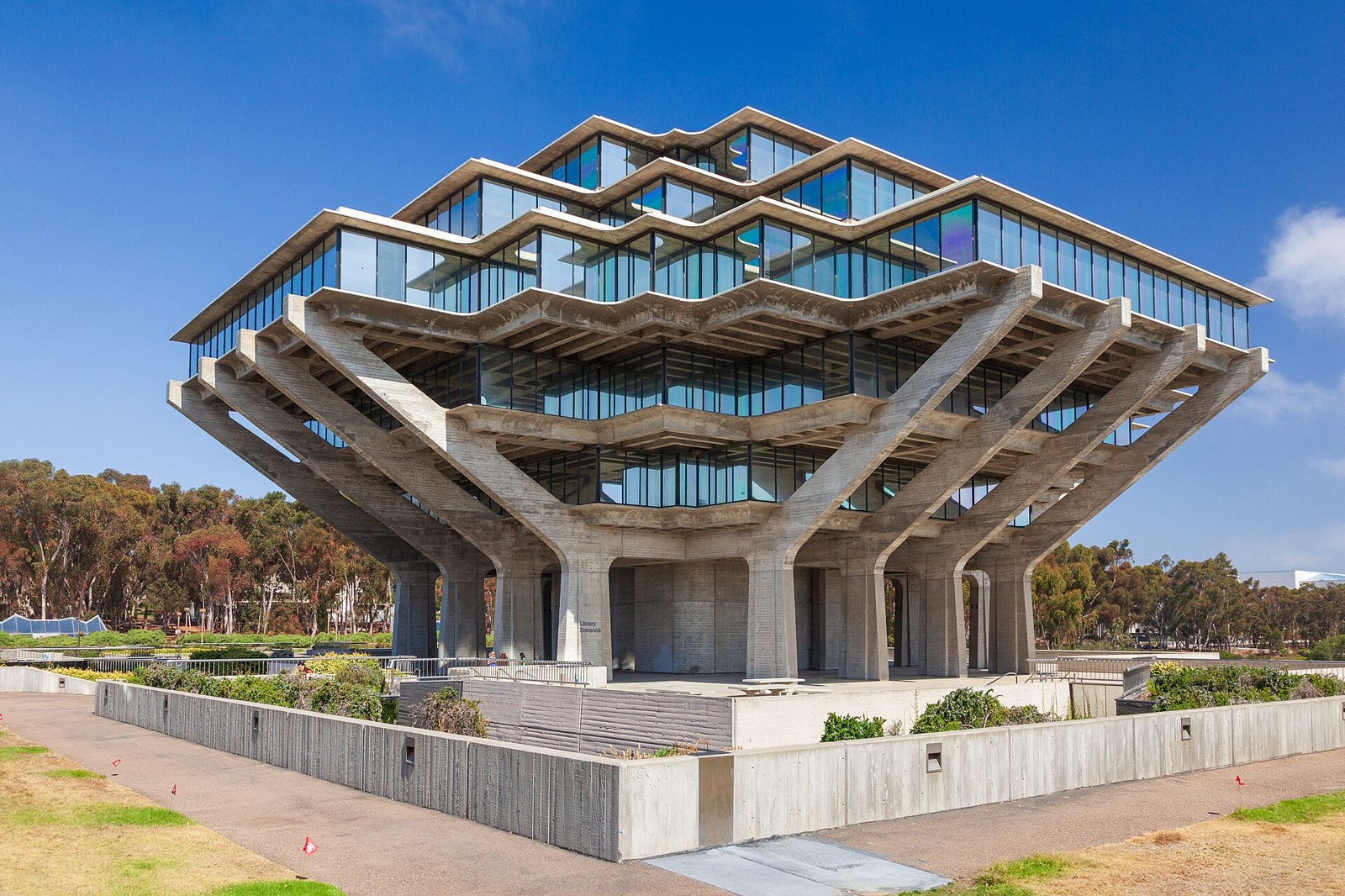
位于加州圣迭戈县的San Diego市,加州大学 San Diego 分校(UC San Diego)华人教授张良方(Liangfang Zhang)获选2026年麦克阿瑟奖(MacArthur Fellowship)。该奖由 John D. and Catherine T. MacArthur Foundation 颁发,常被称为「天才奖」,每位获奖者将在五年内获得80万美元无附加条件资助。基金会对他的表彰理由是「创造用于靶向给药、疫苗及其他生物医学应用的新型纳米技术」。
张良方现任 UC San Diego Jacobs 工程学院 Aiiso Yufeng Li Family 化学与纳米工程系主任,并担任 Joan and Irwin Jacobs 讲席教授。他的核心思路是借用细胞本身的「外衣」:把红细胞、白细胞等细胞的细胞膜包裹在纳米颗粒表面,让颗粒在血液中像自身细胞一样运行,从而把药物送到病灶、吸附细菌毒素或拦截炎症分子。其团队2011年在《Proceedings of the National Academy of Sciences》发表的红细胞膜「纳米海绵」研究是这一方向的代表作,相关技术此后被全球数百个实验室跟进。
「这份荣誉对我意义重大,」张良方说,「它认可了我团队16年来把细胞纳米颗粒技术从早期发现做成一个平台的努力,这个平台已经影响了整个领域,并可能最终惠及患者。」UC San Diego 校长 Pradeep K. Khosla 表示,张良方把细胞膜做成递送药物、对抗传染病与炎症的平台技术,目标始终是改善人的生活。
张良方本科就读于清华大学化学工程专业,后在 University of Illinois Urbana-Champaign 取得博士学位,并在 MIT 做博士后研究,2008年加入 UC San Diego。他还共同创办了 San Diego 生物技术公司 Cellics Therapeutics,推动红细胞与巨噬细胞纳米海绵技术走向细菌感染、自身免疫与炎症疾病的临床研究。
UC San Diego Professor Liangfang Zhang Named 2026 MacArthur Fellow for Cell-Mimicking Nanoparticle Work
San Diego is a city in San Diego County, California. Liangfang Zhang, a Chinese-American professor at the University of California, San Diego, has been named a 2026 MacArthur Fellow. The fellowship, awarded by the John D. and Catherine T. MacArthur Foundation and often called the 'genius grant,' provides $800,000 in unrestricted support over five years. The foundation cited him for 'creating novel nanotechnologies for targeted drug delivery, vaccines, and other biomedical applications.'
Zhang chairs the Aiiso Yufeng Li Family Department of Chemical and Nano Engineering at the UC San Diego Jacobs School of Engineering and holds the Joan and Irwin Jacobs Chancellor's Endowed Chair. His approach borrows a cell's own surface: membranes from red blood cells, white blood cells and other cells are wrapped around nanoparticles so the particles can circulate like native cells, deliver drugs to diseased tissue, soak up bacterial toxins or intercept inflammatory molecules. His team's 2011 PNAS paper on red-blood-cell 'nanosponges' helped launch the field, which has since been taken up by hundreds of laboratories worldwide.
'This honor means a great deal to me,' Zhang said. 'It recognizes 16 years of work by my team to take cellular nanoparticle technology from an early discovery to a platform that has influenced the field and may ultimately benefit patients.' Chancellor Pradeep K. Khosla said Zhang has turned cellular membranes into a platform technology to deliver medicines and combat infectious disease and inflammation.
Zhang studied chemical engineering at Tsinghua University, earned his Ph.D. at the University of Illinois Urbana-Champaign and was a postdoctoral researcher at MIT before joining UC San Diego in 2008. He co-founded San Diego biotech Cellics Therapeutics, which is working to translate the nanosponge technology toward clinical studies in bacterial infections, autoimmune diseases and inflammatory disorders.
发布:GSM·美国(发布链接)
图片来源:UC San Diego 标志性建筑 Geisel Library(张良方任职的大学)· Wikimedia Commons,CC BY 4.0
GSM Global · 本篇英文版 English edition of this story