明尼苏达州人权厅认定两家企业歧视原住民顾客:拒绝接受部落身份证,Coon Rapids信用合作社与Minneapolis酒吧均被认定有歧视嫌疑
美国明尼苏达州人权厅(MDHR)10月16日宣布,该厅调查认定明尼苏达州两家企业歧视原住民顾客:位于 Anoka 县 Coon Rapids 的 Wings Financial 信用合作社多次拒绝一名顾客使用其部落身份证办理账户业务,位于 Hennepin 县 Minneapolis 的 The Office Pub and Grill 酒吧则三次拒绝为出示部落身份证的顾客提供服务;人权厅对两案均作出「有合理依据认定歧视发生」(probable cause)的结论。
人权厅表示,两名顾客分别投诉企业拒绝接受其部落身份证,该厅对两案完成中立调查。第一案中,顾客出示的是 Sisseton-Wahpeton Oyate 部落签发的有效身份证,信用合作社却多次拒绝她使用账户,还要求她提供其他顾客无需提供的额外文件,对她态度敌对,并拒绝让她完整使用银行服务。第二案中,顾客出示 Red Lake Nation 签发、可证明其年龄的有效身份证,酒吧仍三次拒绝为他提供服务。两起事件都发生在非部落土地上,属州民权法的执法范围。
人权厅厅长 Rebecca Lucero 表示:「部落身份证是部落主权、自主决定与自治权不可分割的一部分。学校、企业与执法部门不能拒绝部落身份证,也不能对使用部落身份证的部落成员施加额外负担。」人权厅指出,明尼苏达州法律(Minn. Stat. § 171.072(a))明确规定,凡州法规或规章认定明尼苏达州身份证可接受之处,部落身份证同样可接受;拒绝部落身份证或施加额外负担可能违反《明尼苏达州人权法》。
明尼苏达州与11个主权部落民族共享土地,包括七个 Anishinaabe 保留地与四个 Dakota 社群,各有独立政府。人权厅表示,下一步将与涉事企业和受影响顾客合作,推动结构性改变以防歧视再次发生,并呼吁企业更新政策、培训员工识别部落身份证。
Minnesota Department of Human Rights Finds Two Businesses Discriminated Against Native Americans by Refusing Tribal IDs: Coon Rapids Credit Union and Minneapolis Bar
The Minnesota Department of Human Rights (MDHR) announced on October 16 that its investigations found two Minnesota businesses discriminated against Native American customers by refusing to accept tribal identification cards: Wings Financial Credit Union in Coon Rapids, Anoka County, repeatedly denied a customer access to her bank account when she presented a tribal ID, and The Office Pub and Grill in Minneapolis, Hennepin County, refused service three times to a customer using his tribal ID to show proof of age. MDHR found probable cause that discrimination occurred in both cases.
Two individuals brought separate cases to MDHR after businesses refused their tribal identification, and the department completed neutral investigations of both. In the first case, the customer showed a valid ID issued by the Sisseton-Wahpeton Oyate Tribe; investigators found the credit union forced her to provide additional documentation not required of other customers, was hostile to her, and refused to give her full access to banking services. In the second, the bar denied service on three occasions despite being shown a valid Red Lake Nation identification card confirming the customer's age. Both incidents occurred on non-tribal lands, where the department enforces state civil rights laws.
"Tribal identification is an integral part of a Tribe's sovereignty, right to self-determination, and self-governance," said MDHR Commissioner Rebecca Lucero. "Schools, businesses, and law enforcement cannot refuse Tribal identification or require additional burdens on Tribal members who use their Tribal ID." Minnesota law (Minn. Stat. section 171.072(a)) explicitly provides that where a Minnesota identification card is an acceptable form of identification, a tribal identification card is also acceptable, and refusing tribal ID or imposing added burdens may violate the Minnesota Human Rights Act.
Minnesota shares geography with 11 sovereign Tribal Nations, made up of seven Anishinaabe reservations and four Dakota communities, each with its own distinct government. MDHR said it will work with the affected businesses and individuals with the goal of seeking structural change to prevent future discrimination, and urged businesses to update their policies and train employees about tribal identification.
来源:GSM·美国(原文链接)
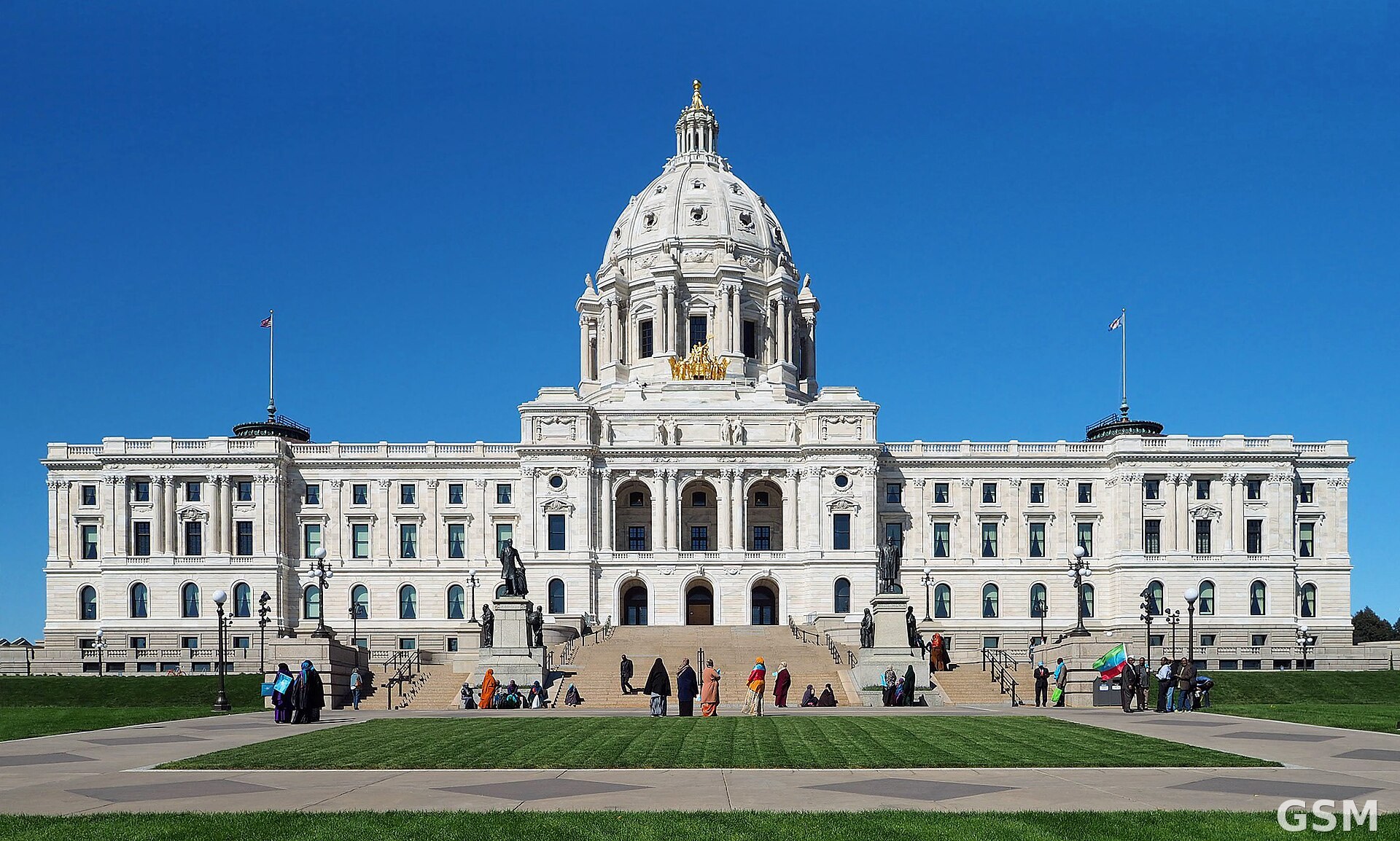
图片来源:图:位于 St. Paul 的明尼苏达州议会大厦。McGhiever 摄,CC BY-SA 4.0,经维基共享资源。 / The Minnesota State Capitol in St. Paul. By McGhiever, CC BY-SA 4.0, via Wikimedia Commons.