CDC首份全国数据:四成美国高中生过去一个月内有过暴食 与频繁使用社交媒体相关
美国疾病控制与预防中心(CDC)10月15日刊于《发病率与死亡率周报》(MMWR)增刊的2025年青年风险行为调查(YRBS)分析显示,40.5%的美国高中生表示在过去30天内至少有一天出现暴食,即在短时间内吃下异常大量的食物、同时感到无法控制进食。这是YRBS自1991年开展以来首次纳入暴食问题,也是该调查自2013年以来首次收集饮食失调行为的全国代表性数据,STAT新闻与哈佛大学陈曾熙公共卫生学院均在10月15日报道了这一发布。
这项全美调查覆盖50个州与哥伦比亚特区公立、私立学校9至12年级学生,共10,710人参加,其中6,898人提供了暴食问题的有效答复。数据显示,17.2%的学生在过去30天内暴食达到3天或以上;按性别分,女生为18.6%,高于男生的15.9%;按族裔分,西语裔学生为20.5%、非裔为18.7%、多种族为19.6%,高于白人学生的14.6%与中东或北非裔学生的9.9%;各年级之间未见显著差异。
分析还发现,每小时或更频繁使用社交媒体的学生中,暴食3天或以上的比例为22.8%,高于每天使用至多一次者的12.9%(调整后患病率比1.70)。自报心理健康状况不佳的学生这一比例为27.2%,高于其余学生的14.0%;过去12个月持续感到悲伤或绝望的学生为25.4%,高于其余学生的12.8%;认真考虑过自杀的学生为27.1%,高于其余学生的15.3%。上述关联在女生与男生中均有观察到。报告共同作者、波士顿(Boston)儿童医院青少年与儿童医学研究员阿丽尔·贝恰(Ariel Beccia)对STAT表示,这些数字之高令人警觉。
报告作者团队表示,这批首份全国估计可用于扩大对青少年暴食的监测,识别受影响更明显的群体,并支持后续干预研究与监测规划。
First National CDC Data: 40.5% of U.S. High School Students Reported Binge Eating in the Past Month
An analysis of the 2025 Youth Risk Behavior Survey (YRBS) published by the U.S. Centers for Disease Control and Prevention (CDC) in a Morbidity and Mortality Weekly Report (MMWR) supplement on October 15 found that 40.5% of U.S. high school students reported binge eating on at least 1 day in the past 30 days — eating an unusually large amount of food while feeling a loss of control over eating. It is the first time the biennial YRBS, conducted since 1991, has included a binge eating item, and the first nationally representative data on disordered eating behaviors the survey has collected since 2013. STAT News and the Harvard T.H. Chan School of Public Health both reported the release on October 15.
The survey covered 10,710 students in grades 9-12 at public and private schools in all 50 states and the District of Columbia, of whom 6,898 provided valid responses to the binge eating question. Overall, 17.2% of students reported binge eating on 3 or more days in the past 30 days. The share was higher among female students (18.6%) than male students (15.9%), and higher among Hispanic (20.5%), Black (18.7%) and multiracial (19.6%) students than among White (14.6%) and Middle Eastern or North African (9.9%) students. No statistically significant differences were observed by grade level.
Students who used social media hourly or more had a higher prevalence of binge eating on 3 or more days than those who used it once a day or less (22.8% versus 12.9%; adjusted prevalence ratio 1.70). The prevalence was also higher among students reporting poor mental health (27.2% versus 14.0%), persistent feelings of sadness or hopelessness in the past 12 months (25.4% versus 12.8%), and having seriously considered attempting suicide (27.1% versus 15.3%). The associations were observed among both female and male students. Co-author Ariel Beccia, a researcher at Boston Children's Hospital, told STAT the size of the figures was alarming.
The report appears in the MMWR Supplements. The authors said the first national estimates could guide efforts to expand surveillance of binge eating among adolescents, identify disproportionately affected groups, and support future intervention research.
来源:GSM·美国(原文链接)
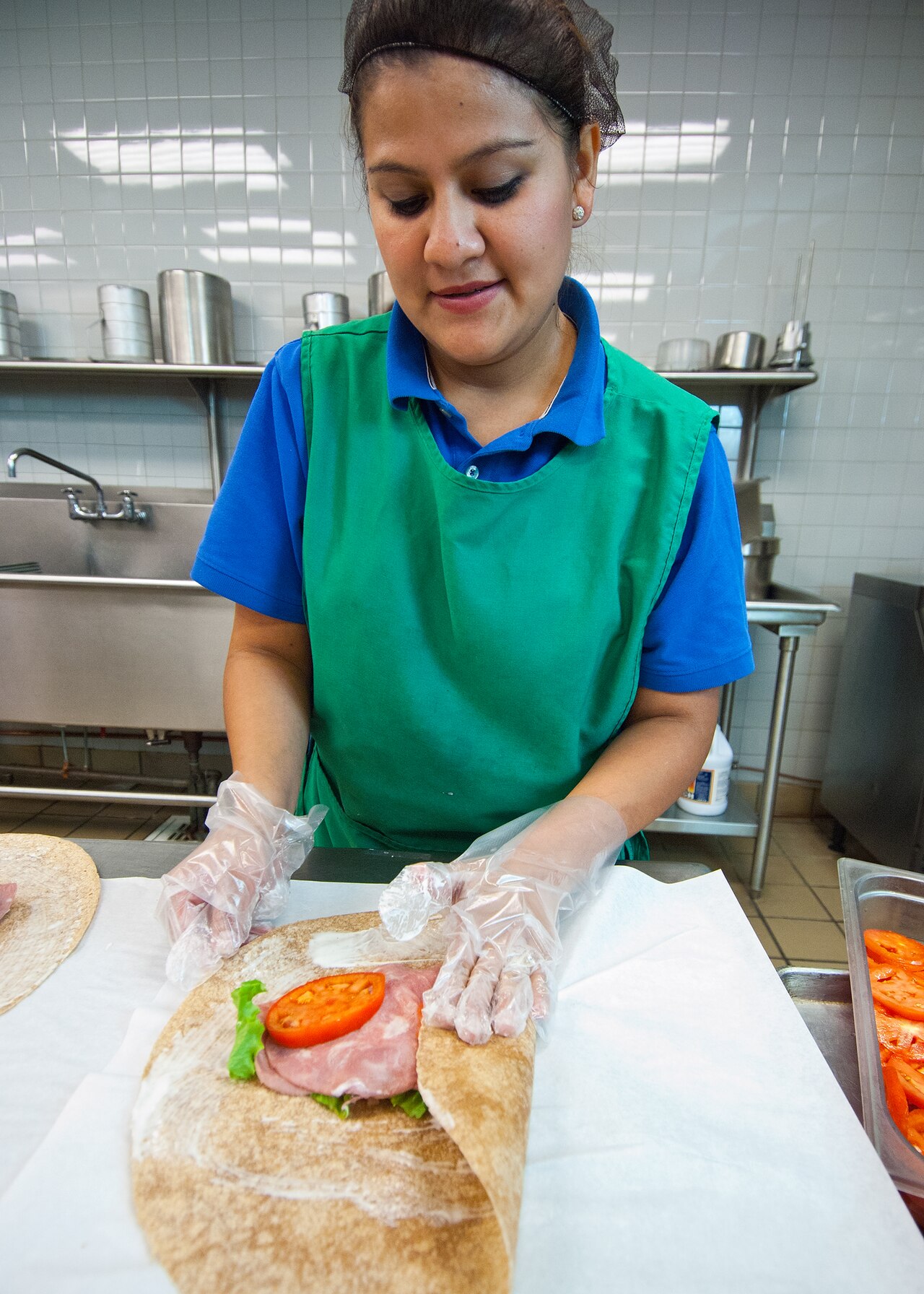
图片来源:弗吉尼亚州阿灵顿一所高中的学校午餐厨房正在制作卷饼(资料图)。A school lunch kitchen at a high school in Arlington, Virginia, prepares wraps (file photo). Photo: Bob Nichols / USDA, public domain (CC BY 2.0 via Wikimedia Commons).
GSM Global · 本篇英文版 English edition of this story