气温一降胎压跟着掉:秋季汽车五项检查,胎压、电瓶、雨刮一次说清
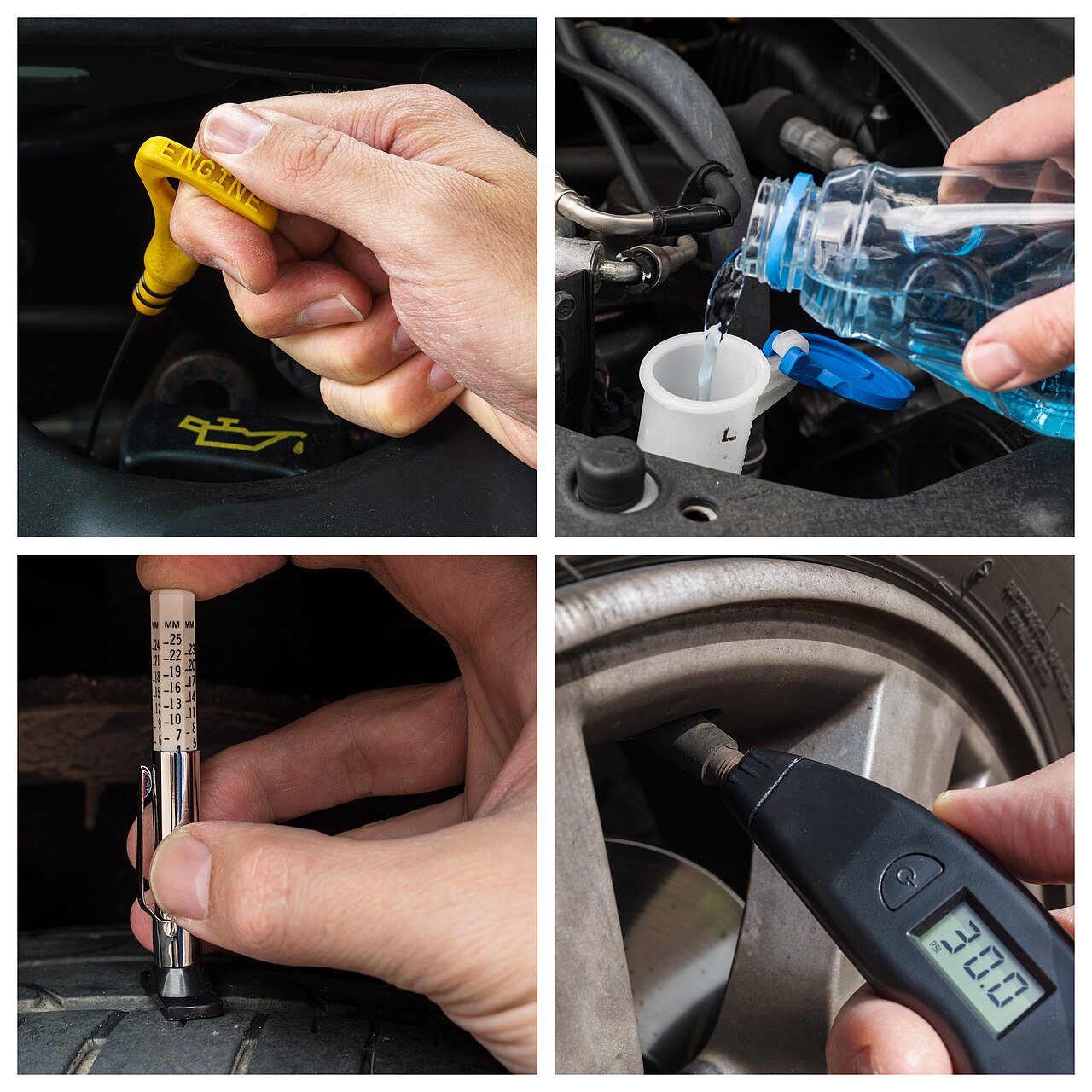
进入十月,南加州白天还热、清晨和夜间已经明显转凉。美国国家公路交通安全管理局(NHTSA)的用车常识指出,气温每下降10华氏度(约5.6摄氏度),轮胎气压大约会下降1 PSI(磅/平方英寸)。这意味着入夏时调好的胎压,到了秋天夜间可能已经不知不觉低了几磅,这也是很多车主在季节交替时看到胎压警示灯(TPMS)亮起的原因。
第一项是胎压。NHTSA建议至少每月、以及长途出行前检查一次,并且要在「冷胎」状态下测量——车辆停放至少三小时、未行驶超过一英里时最准。每辆车的标准胎压写在驾驶座门框内侧的标签或油箱盖上,常见范围是30至35 PSI;轮胎侧壁上印的数字是最高上限,不是日常充气标准。气压不足会增加油耗、加速轮胎磨损,并拉长刹车距离。
第二项是胎纹深度。美国多数州规定胎纹磨损到2/32英寸(约1.6毫米)即属不合格。常用的「一分钱硬币法」是:把林肯头像朝下插入胎纹沟槽,如果林肯的头顶完全露出,说明胎纹已接近或低于2/32英寸。雨季临近时抓地力更重要,不少技师把4/32英寸(约3.2毫米)视为考虑更换的参考线,可用四分之一硬币以同样方法粗测。
第三项是电瓶。据美国汽车协会(AAA)的资料,普通汽车电瓶寿命一般为三到五年;低温会明显削弱电瓶的启动输出,而发动机在冷天启动所需的电力反而更高,两头夹击之下,老电瓶最容易在第一波降温时「趴窝」。电瓶接线柱出现白色或蓝绿色腐蚀粉末、启动时马达声变慢变弱,都是常见的前兆信号。
第四项是各类油液和冷却液。冷却液(防冻液)通常为防冻剂与水各半的混合液,水箱副水壶上有最低与最高刻度线,液面应落在两线之间;机油用油尺检查,油位应在上下刻度之间、颜色不应呈焦黑。第五项是雨刮和灯光:雨刮胶条一般六到十二个月就会老化,刮过后挡风玻璃留条纹、跳刮,就说明胶条已硬化;冬季日照变短,车灯、刹车灯和转向灯的使用频率上升,入秋逐一确认能正常点亮,也是例行检查的一部分。
简单说,秋季检查的核心逻辑是「温度变了,车的各项参数也跟着变」:胎压随温降、电瓶输出随温降、雨季又对胎纹和雨刮提出更高要求。五项里的大部分用胎压计、硬币和油尺就能自查,花的时间不多于给轮胎充一次气。
As Temperatures Fall, Tire Pressure Drops Too: Five Fall Car Checks, Explained
October has arrived in Southern California: days are still warm, but mornings and nights have turned noticeably cooler. According to guidance from the National Highway Traffic Safety Administration (NHTSA), tire pressure drops by roughly 1 PSI for every 10-degree Fahrenheit fall in temperature. Air put in during summer can quietly fall several pounds low by autumn, which is why many drivers see the tire-pressure warning light (TPMS) come on when the seasons change.
First, tire pressure. NHTSA advises checking at least once a month and before long trips, and measuring when tires are cold — the car parked for at least three hours and driven less than a mile. The correct pressure for each vehicle is printed on a label inside the driver's door jamb or on the fuel door, commonly 30 to 35 PSI; the number molded on the tire sidewall is a maximum, not the everyday target. Underinflation raises fuel use, speeds tire wear and lengthens braking distances.
Second, tread depth. In most U.S. states, tires worn to 2/32 of an inch (about 1.6 mm) are legally bald. The common penny test: insert a penny into a tread groove with Lincoln's head pointing down — if the top of his head is fully visible, the tread is at or below 2/32 of an inch. With the rainy season ahead, many technicians treat 4/32 of an inch as the point to start planning replacement, checkable the same way with a quarter.
Third, the battery. The American Automobile Association (AAA) puts the typical car battery's life at three to five years. Cold weather cuts a battery's cranking output at the same time the engine needs more power to start, which is why aging batteries most often fail at the first cold snap. White or blue-green corrosion on the terminals, or a starter that sounds slower and weaker, are common early warning signs.
Fourth, fluids. Coolant is typically a 50/50 mix of antifreeze and water, and its reservoir has minimum and maximum marks — the level should sit between them. Engine oil is checked with the dipstick: the level should fall between the marks and the oil should not look burnt black. Fifth, wipers and lights: wiper blades generally age out in six to twelve months, and streaking or chattering across the windshield means the rubber has hardened. Shorter winter days also mean headlights, brake lights and turn signals get more use, so confirming every bulb works is part of a fall once-over.
The logic of a fall checkup is simple: when the temperature changes, the car's numbers change with it — pressure and battery output fall with the mercury, while the coming rains demand more from tread and wipers. Most of the five checks need only a pressure gauge, a coin and a dipstick, and take about as long as filling the tires.
图片来源:图片:Colin 拍摄,CC BY-SA 4.0(Wikimedia Commons)